- 30 illustrators from 30 European countries turn scientific evidence into visual stories through a One Health approach
- The exhibition will be open in Warsaw until 3 March, before travelling to Belgium, Italy and Spain
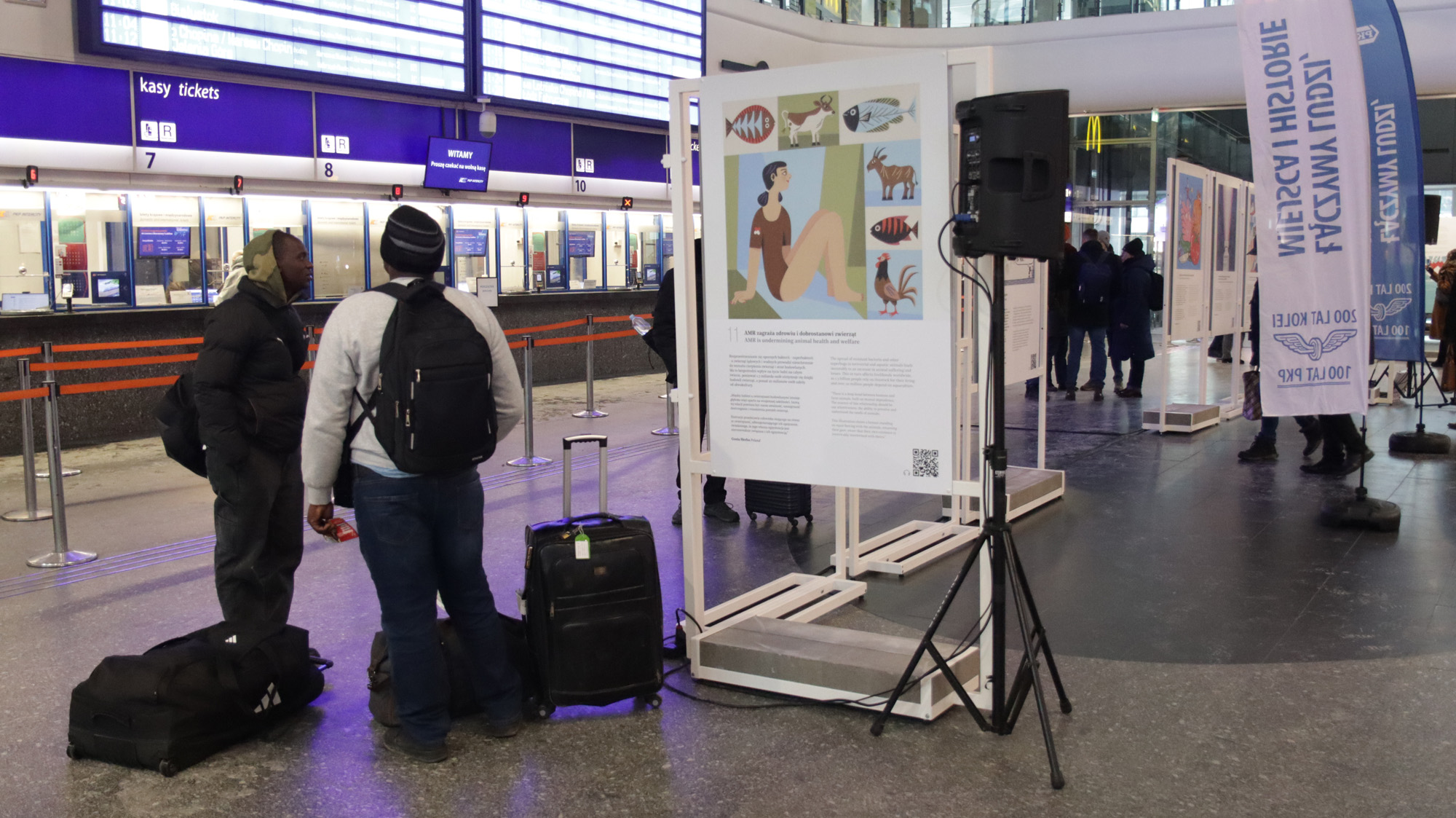
- Gosia Herba is Poland’s participating artist with her illustration on “AMR is undermining animal health and welfare”
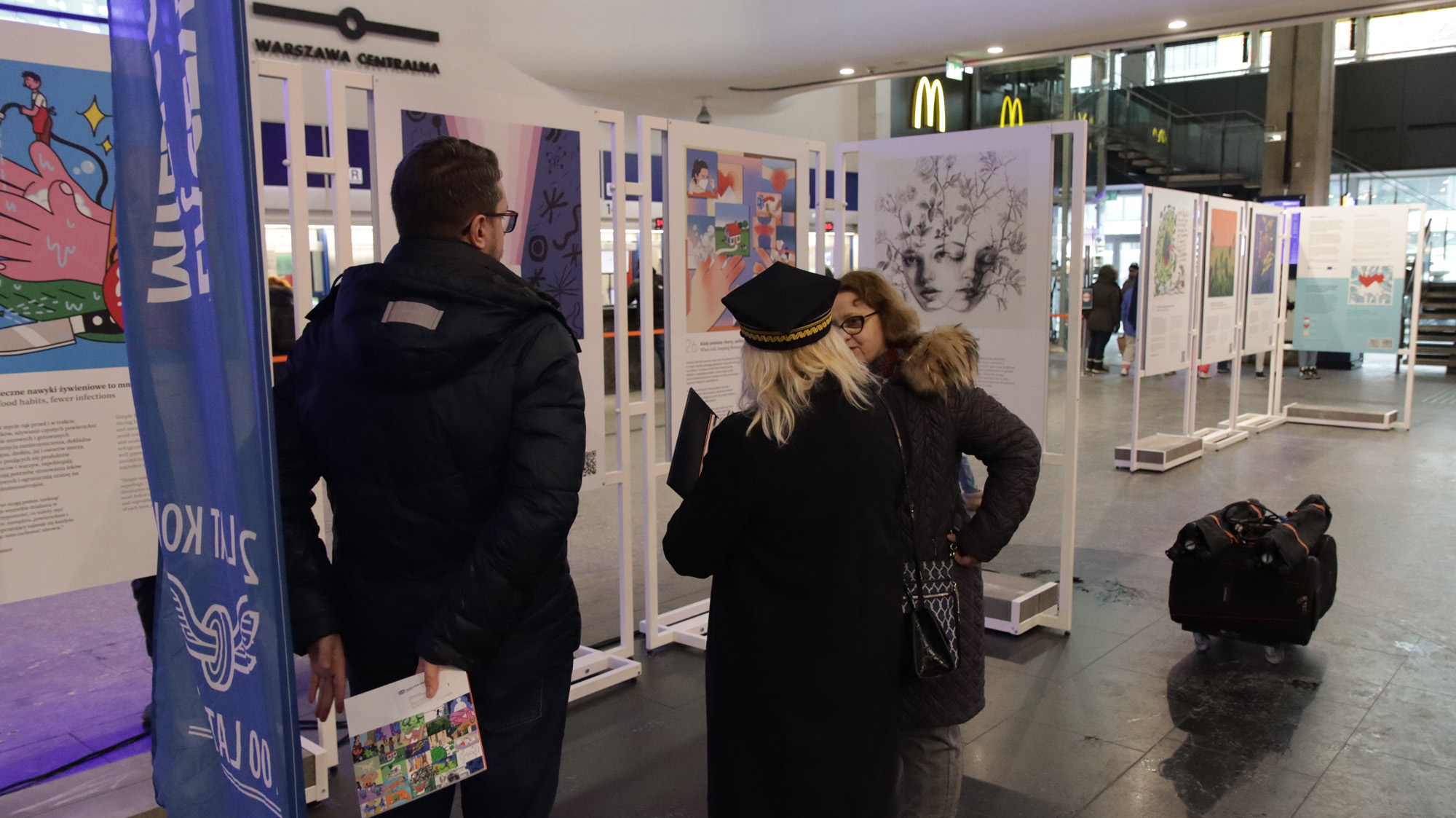
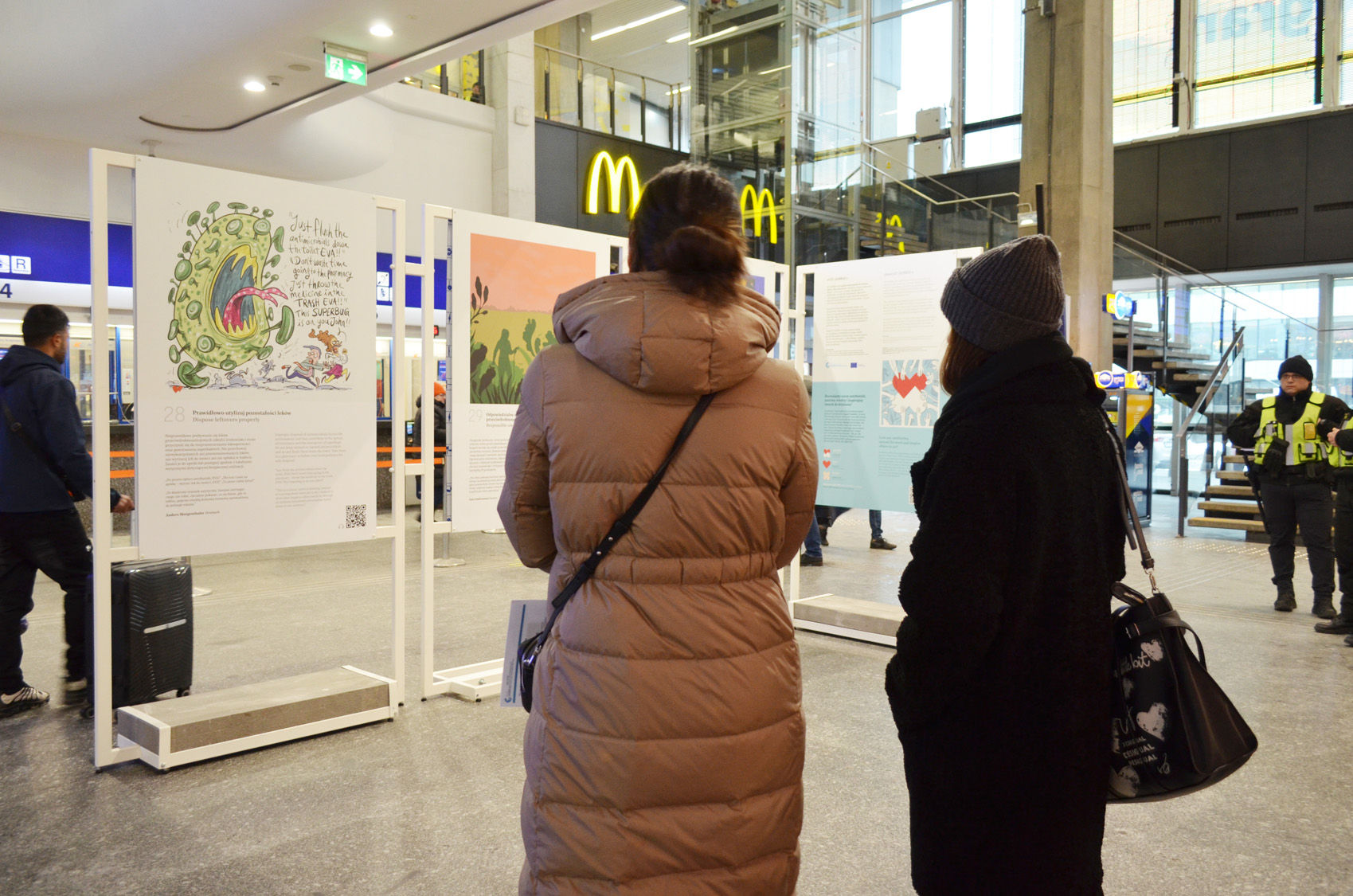
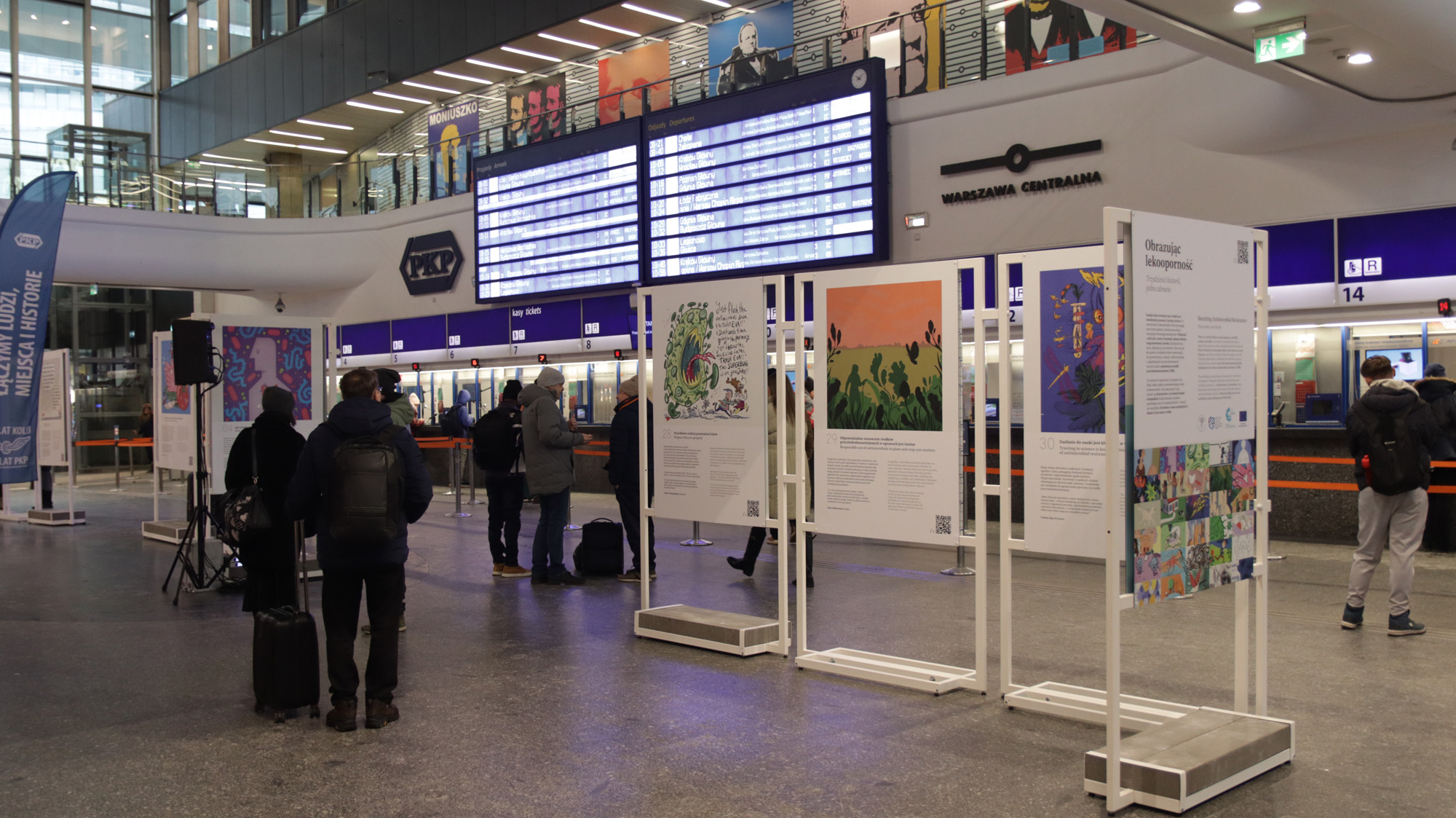
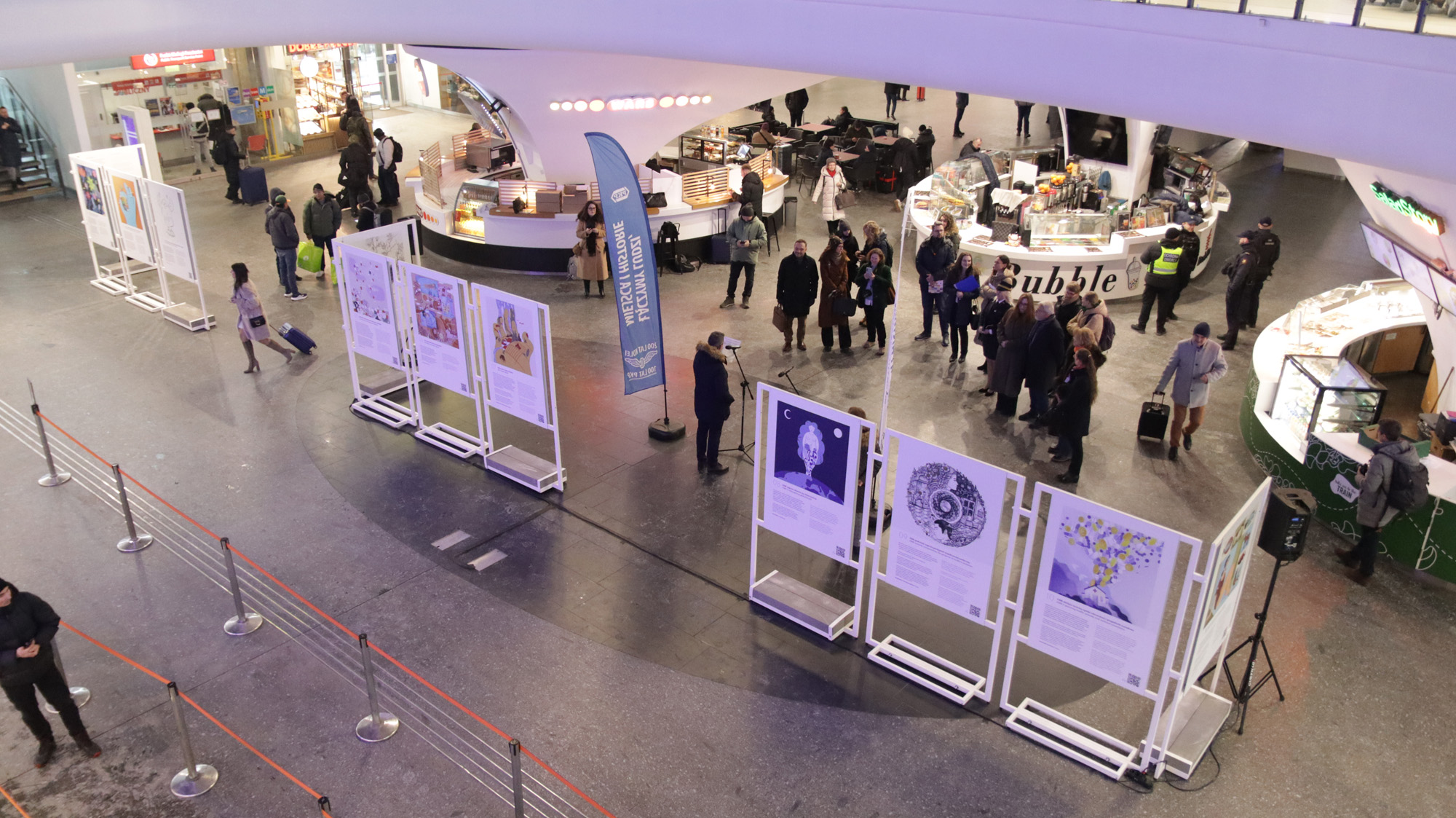
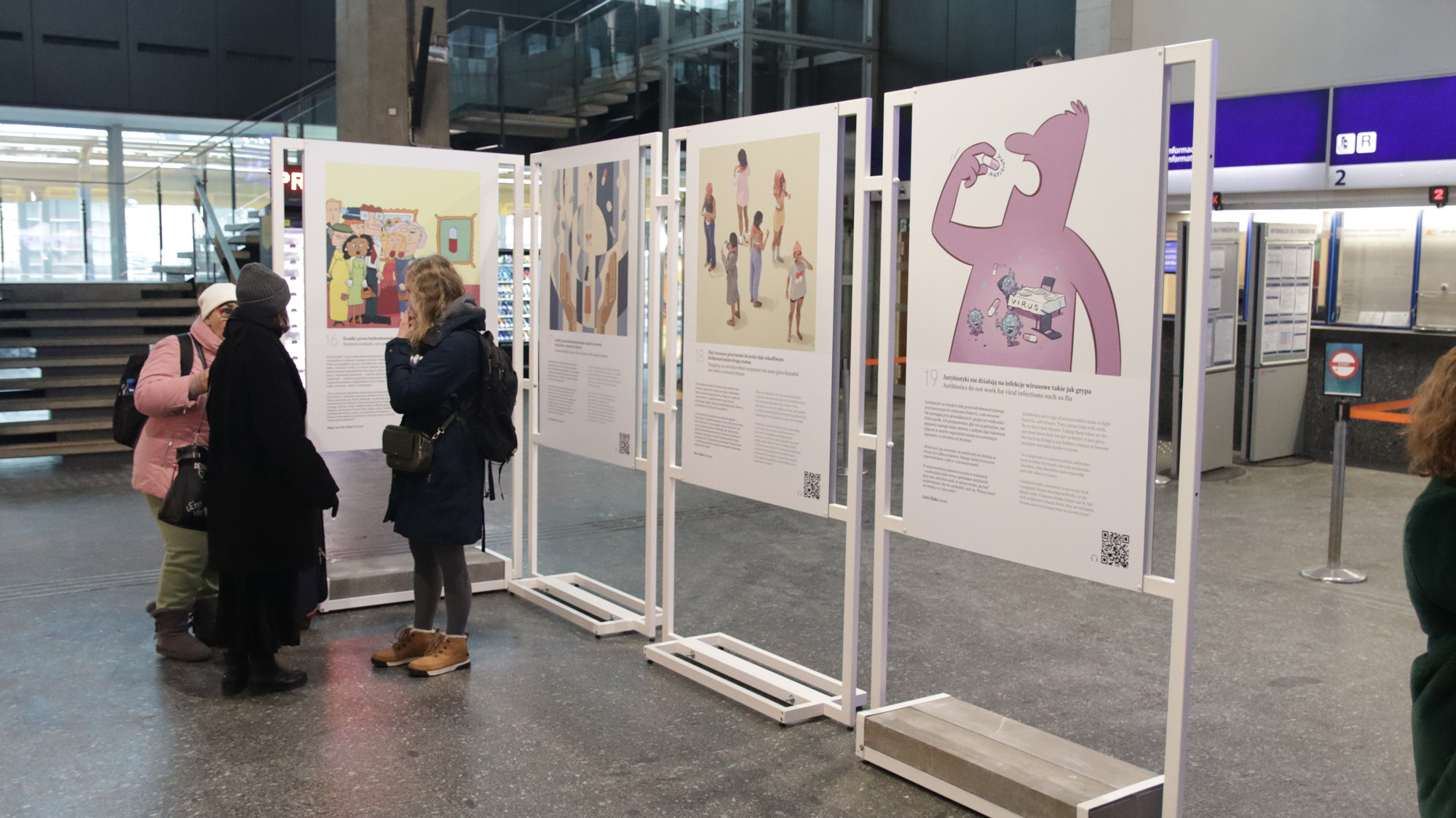
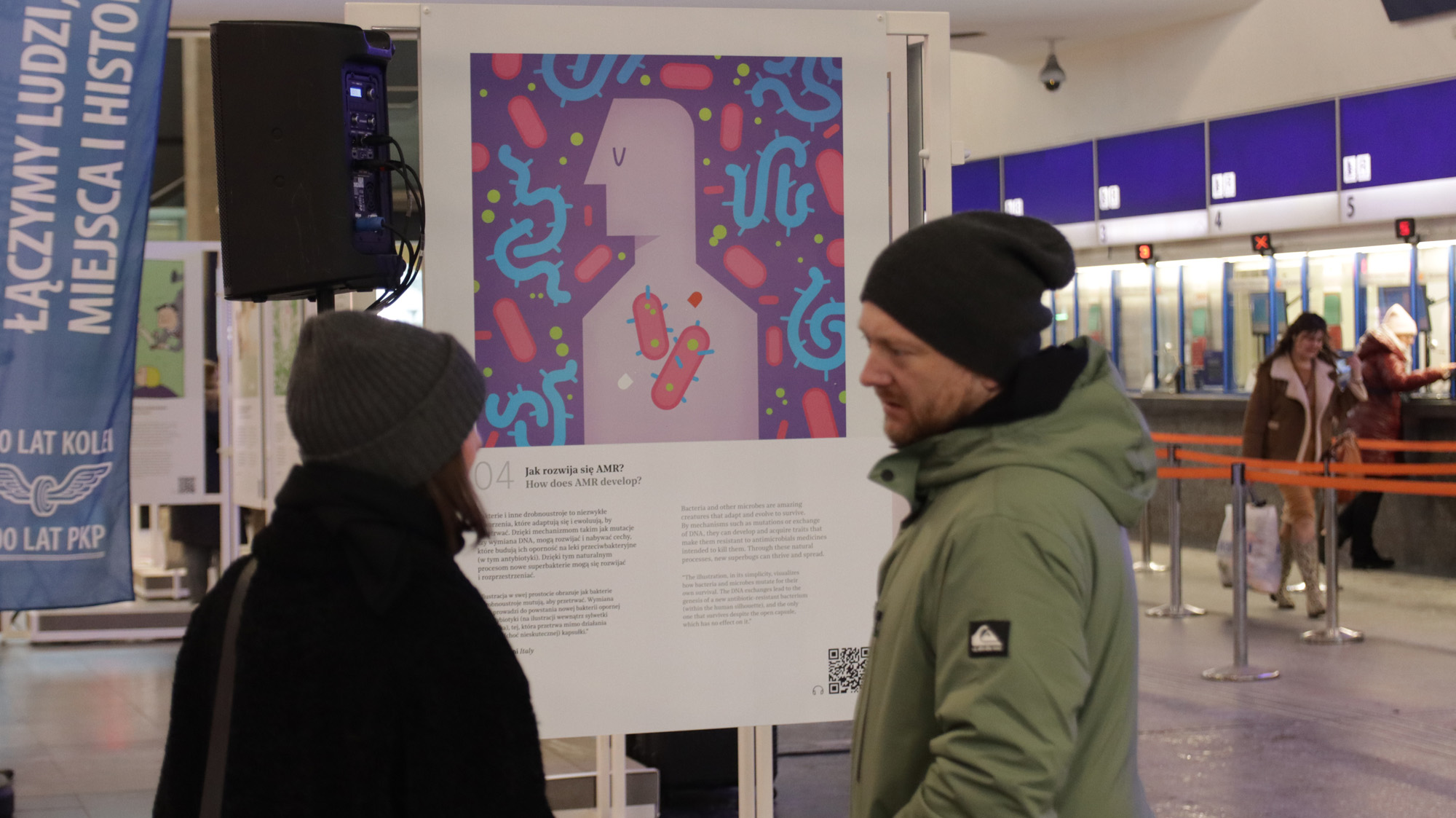
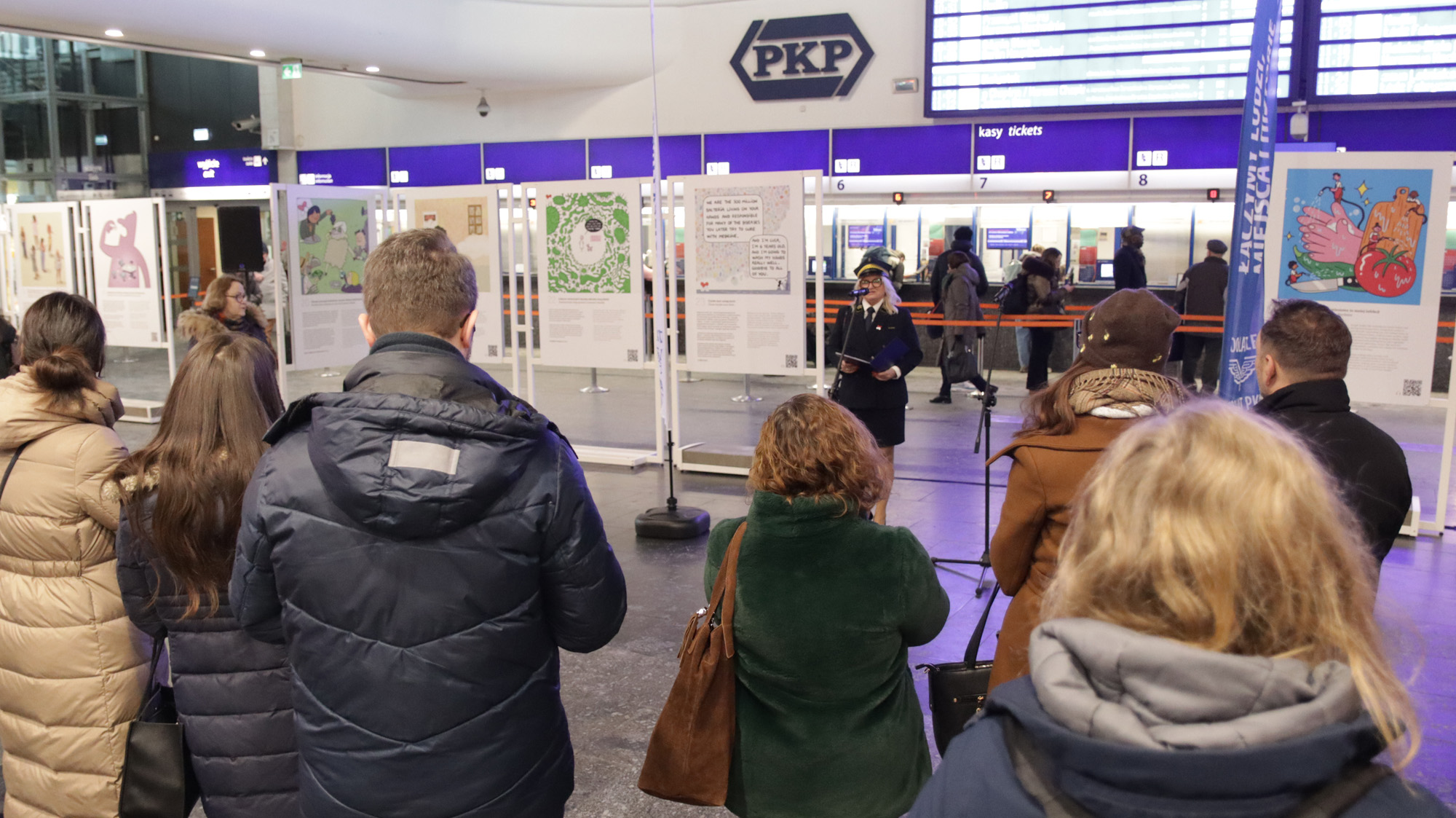
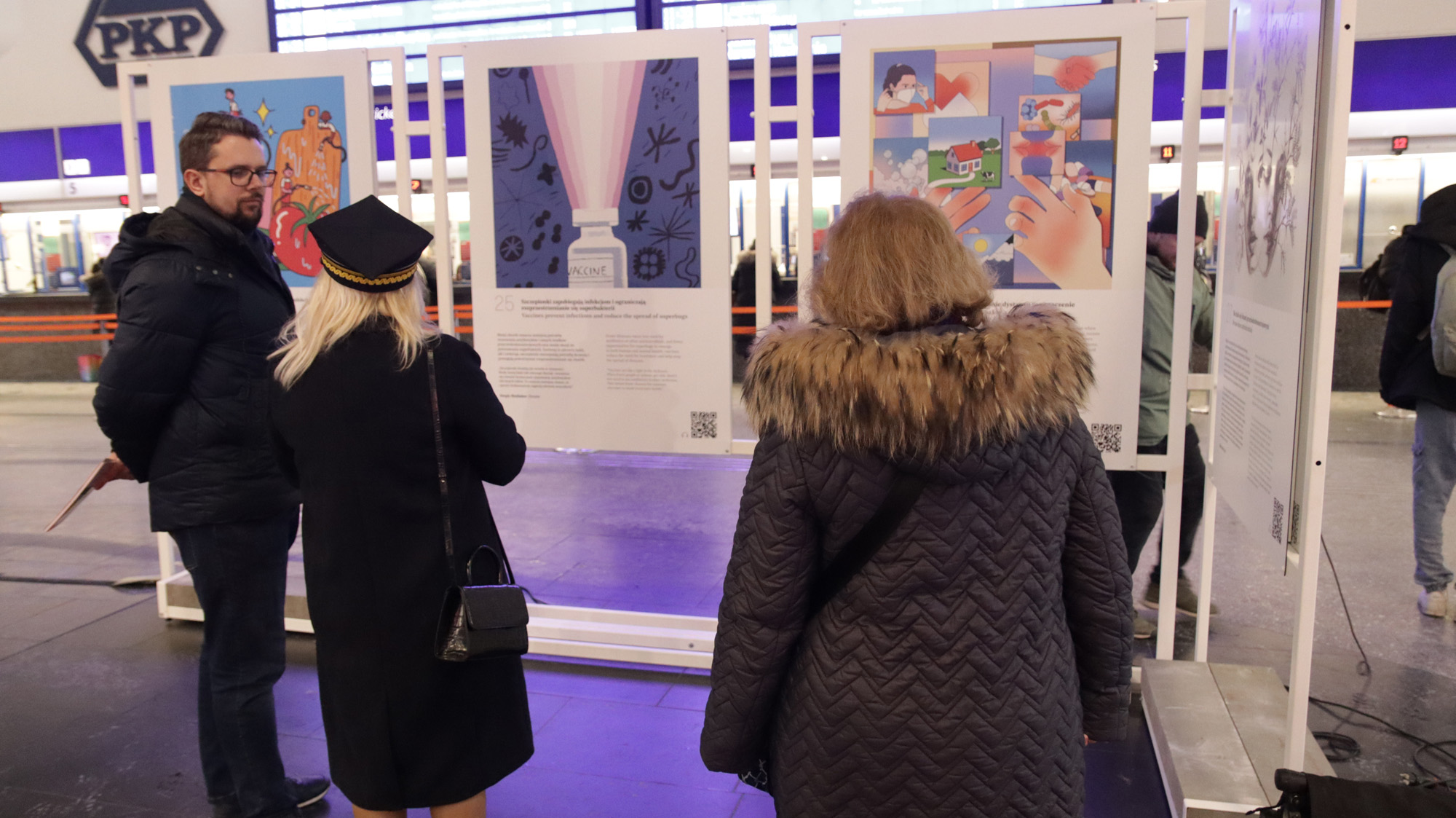
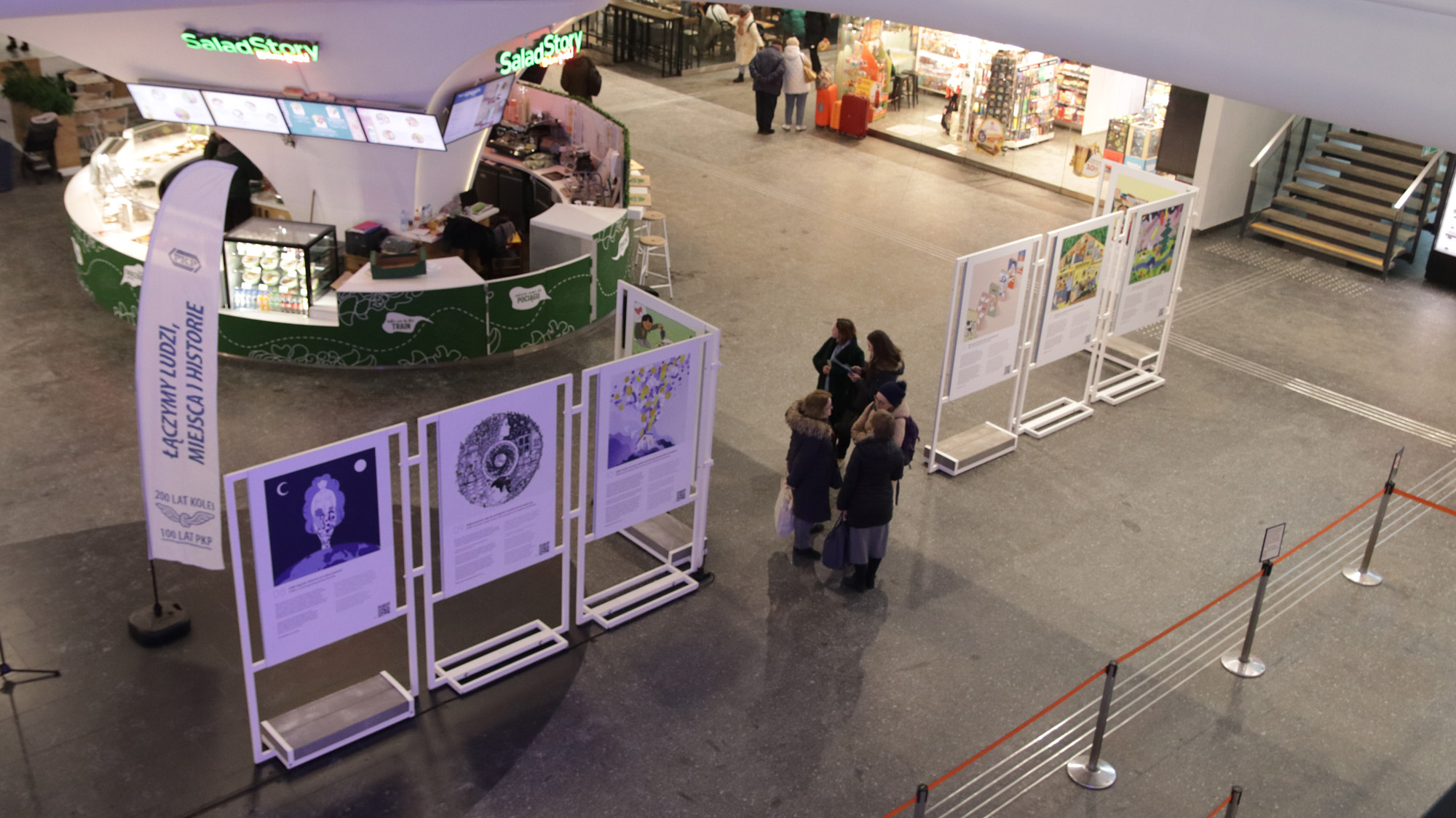
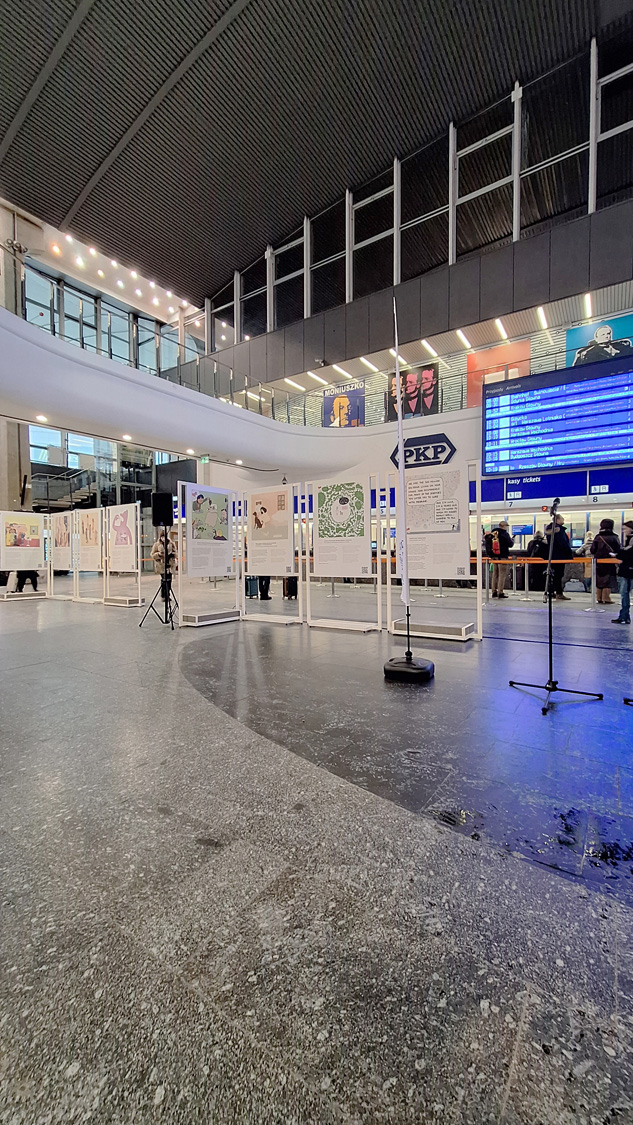
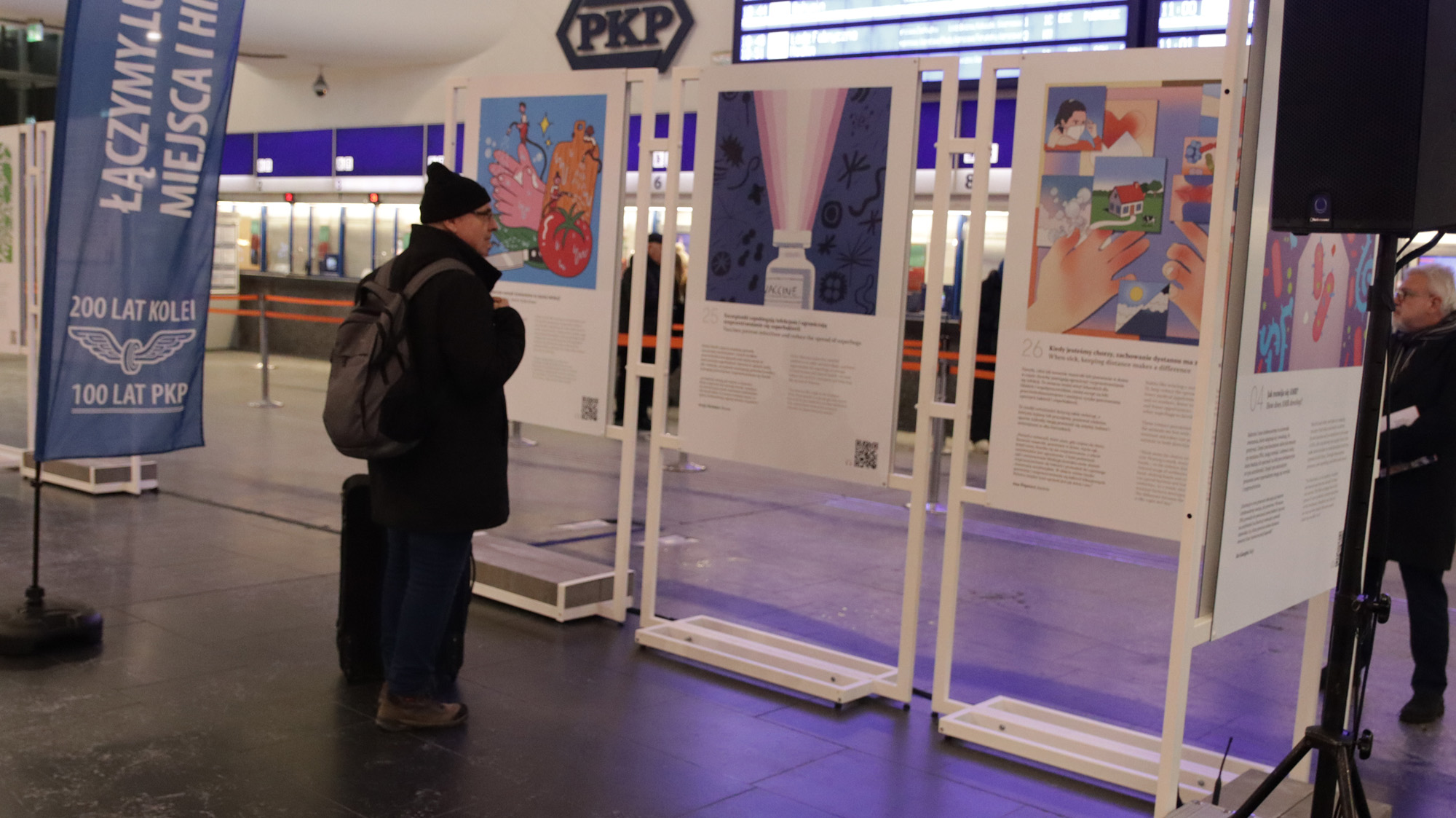
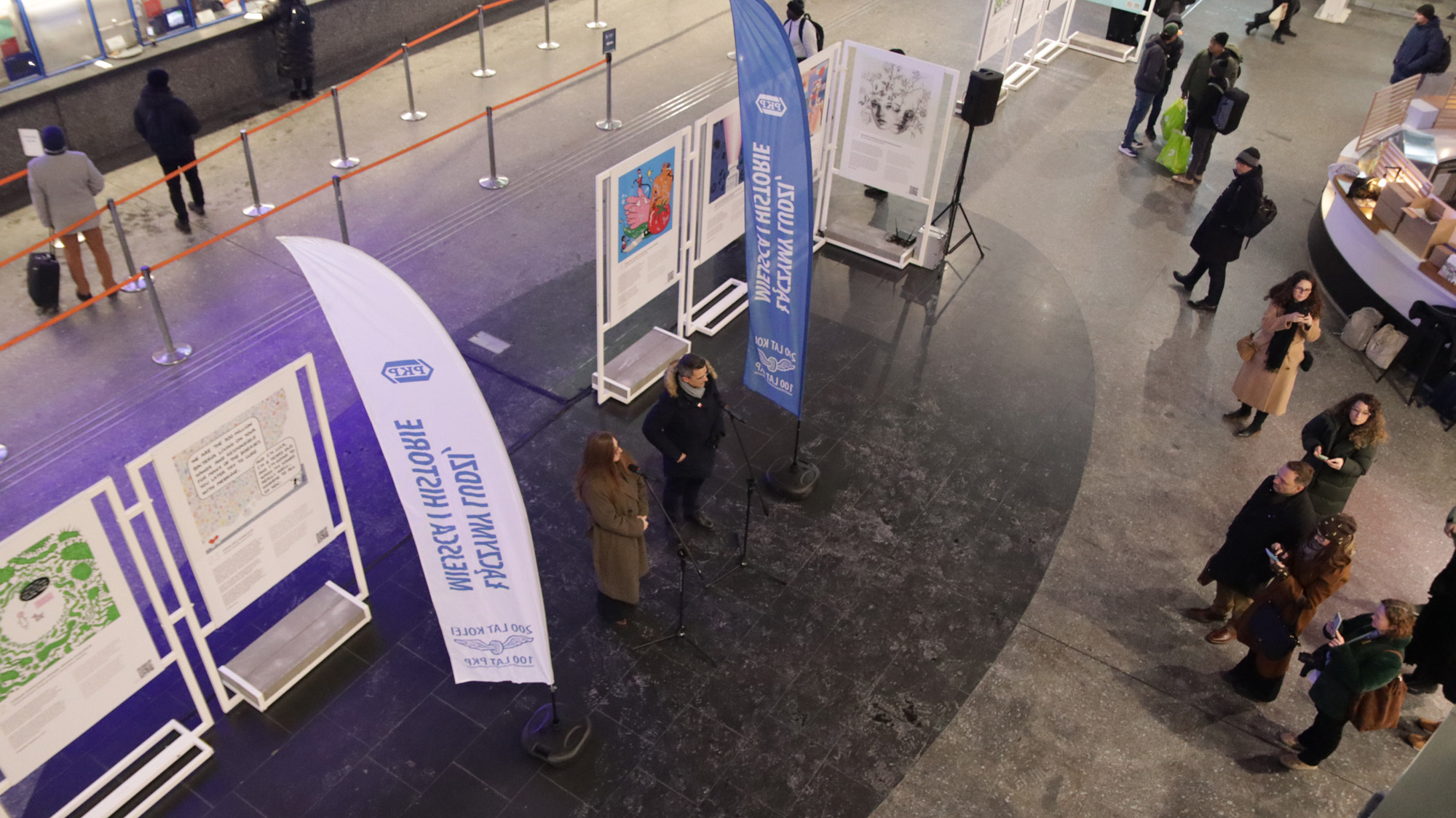
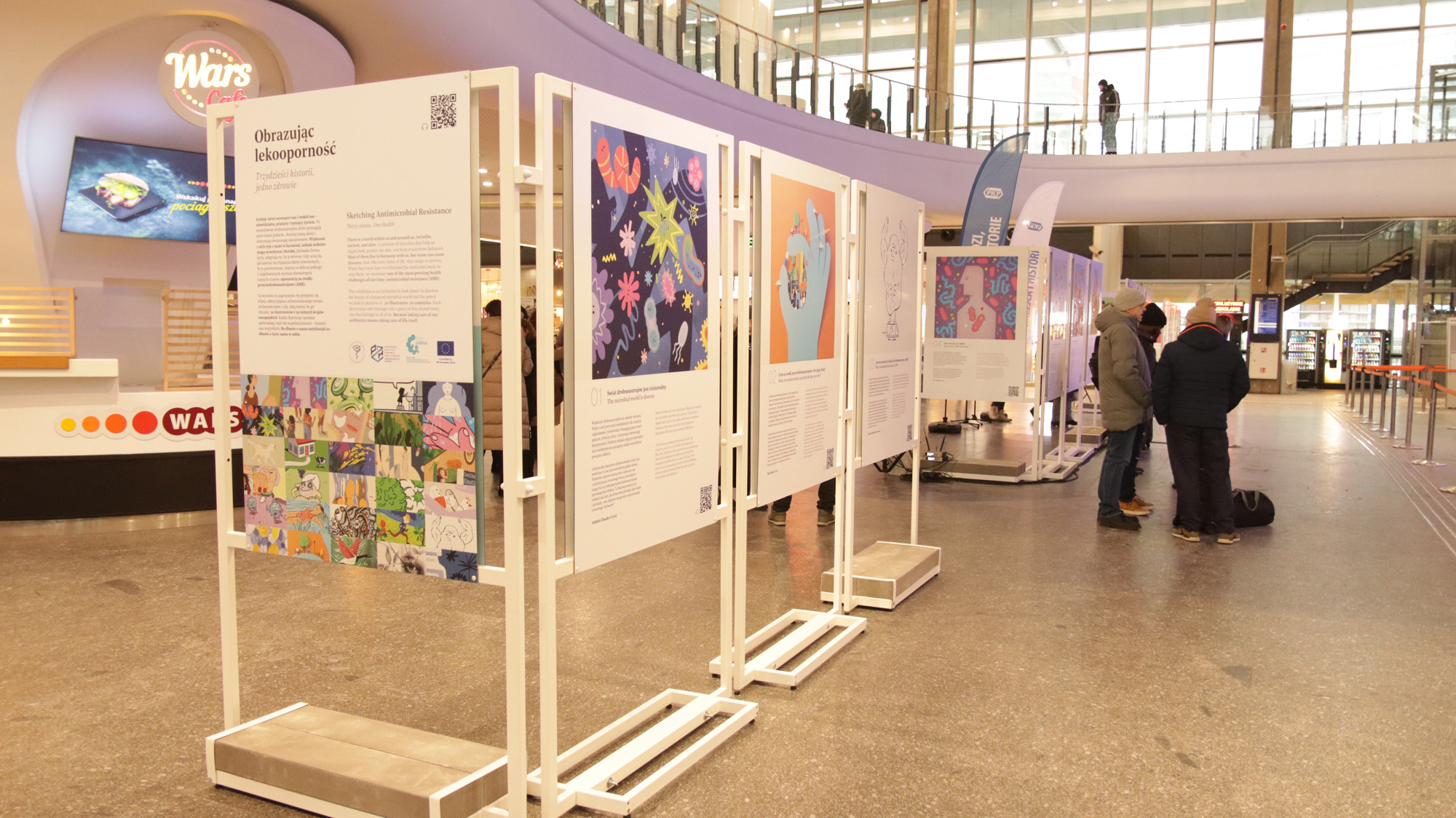
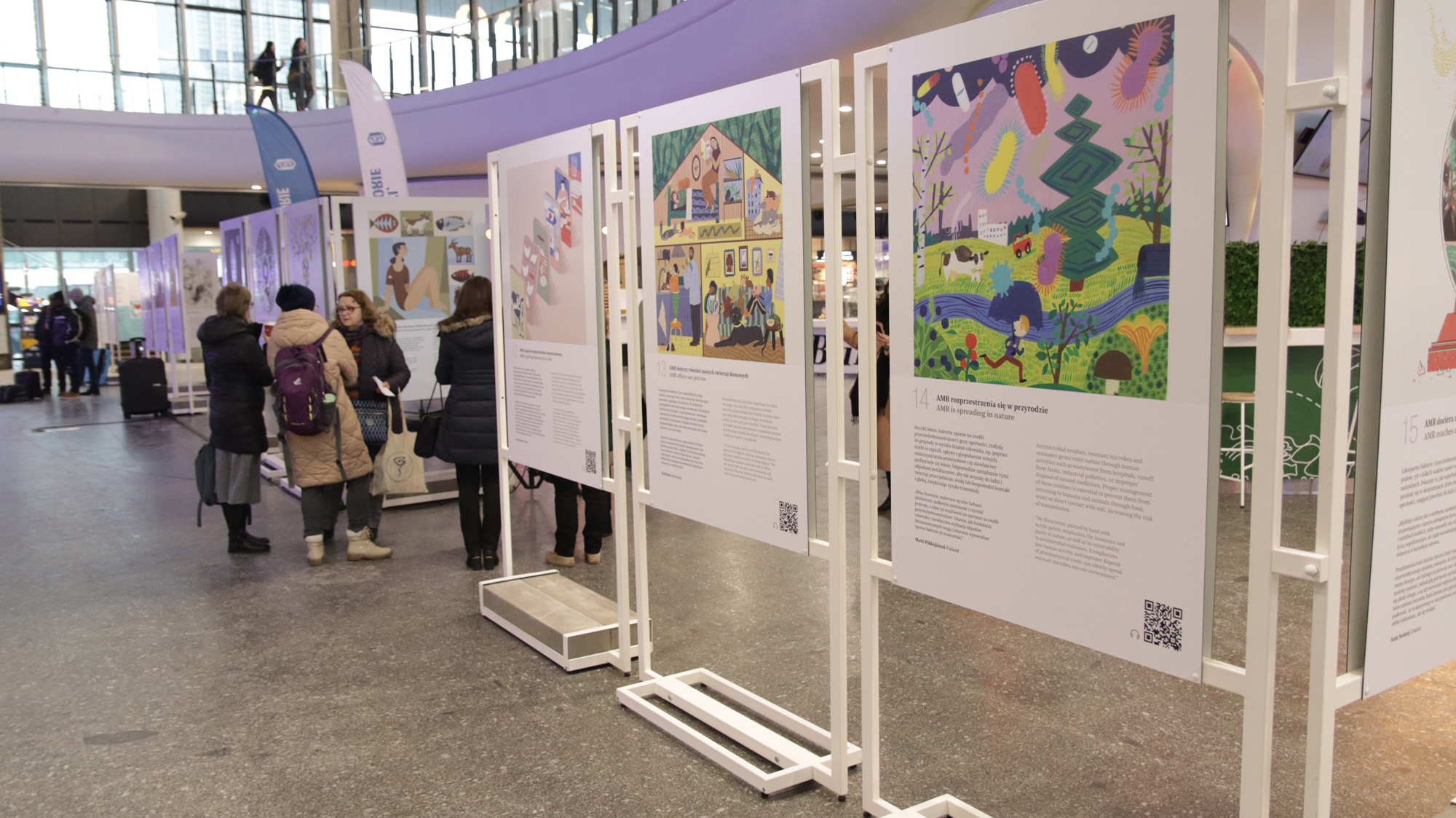
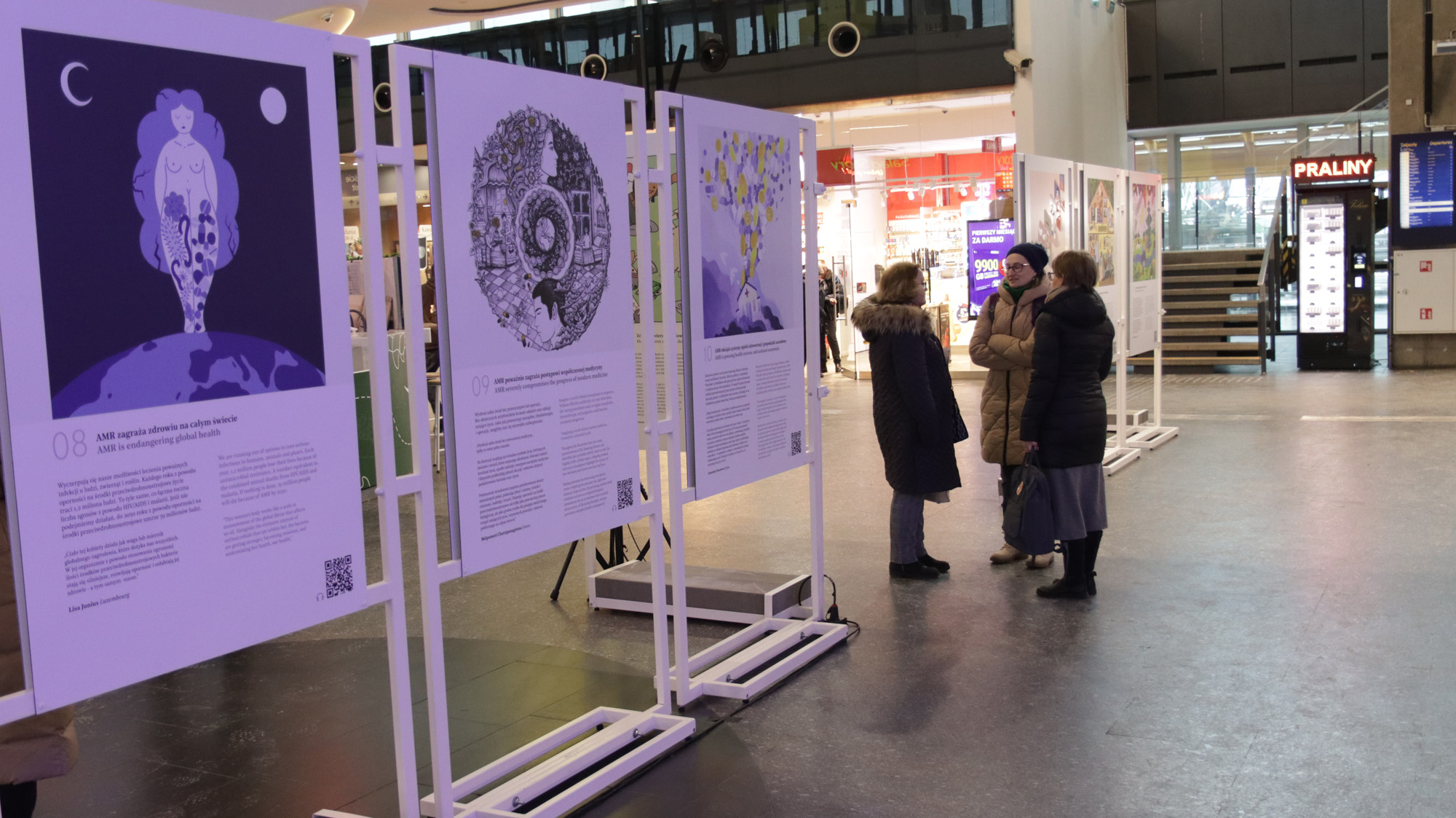
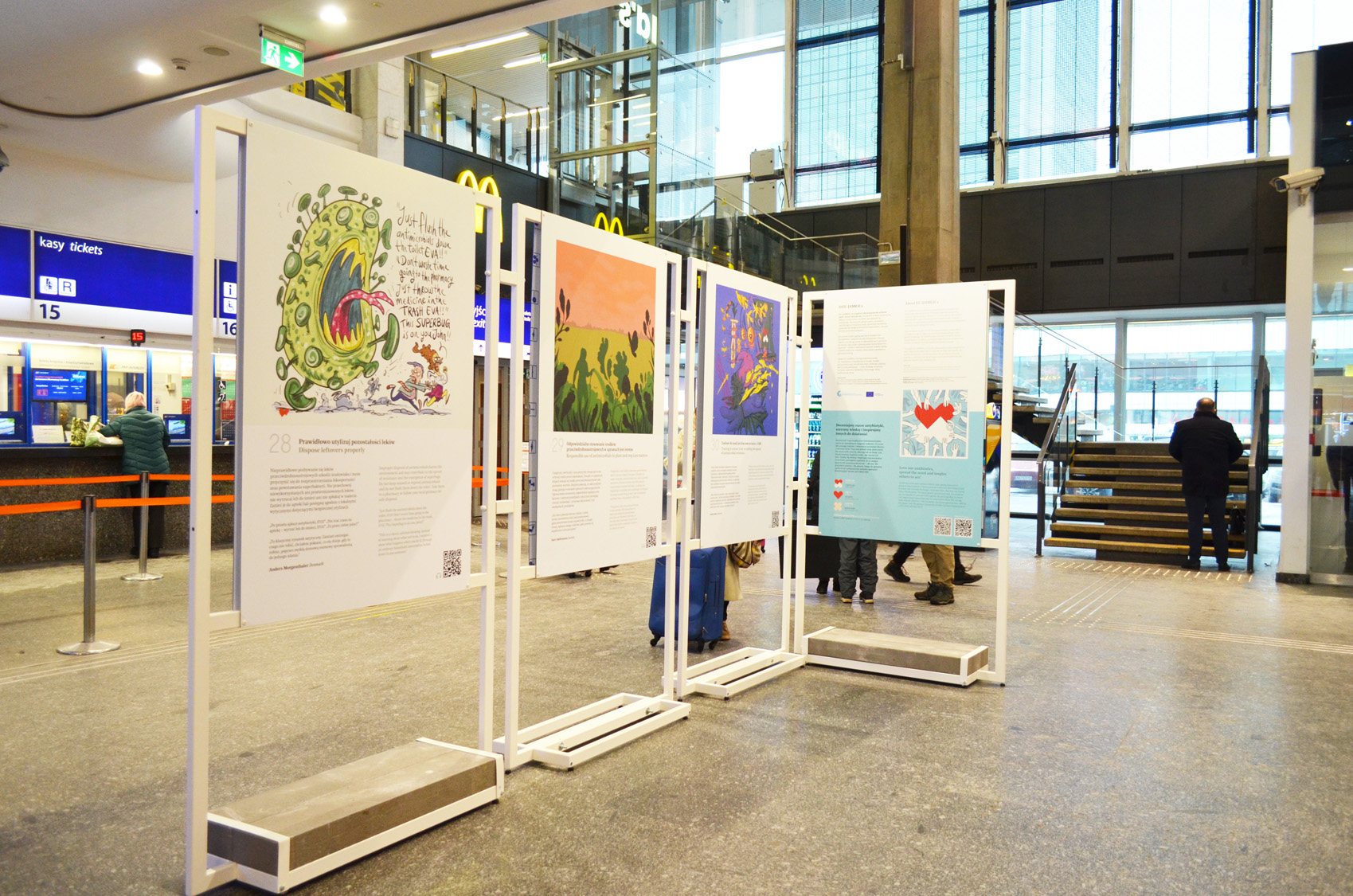
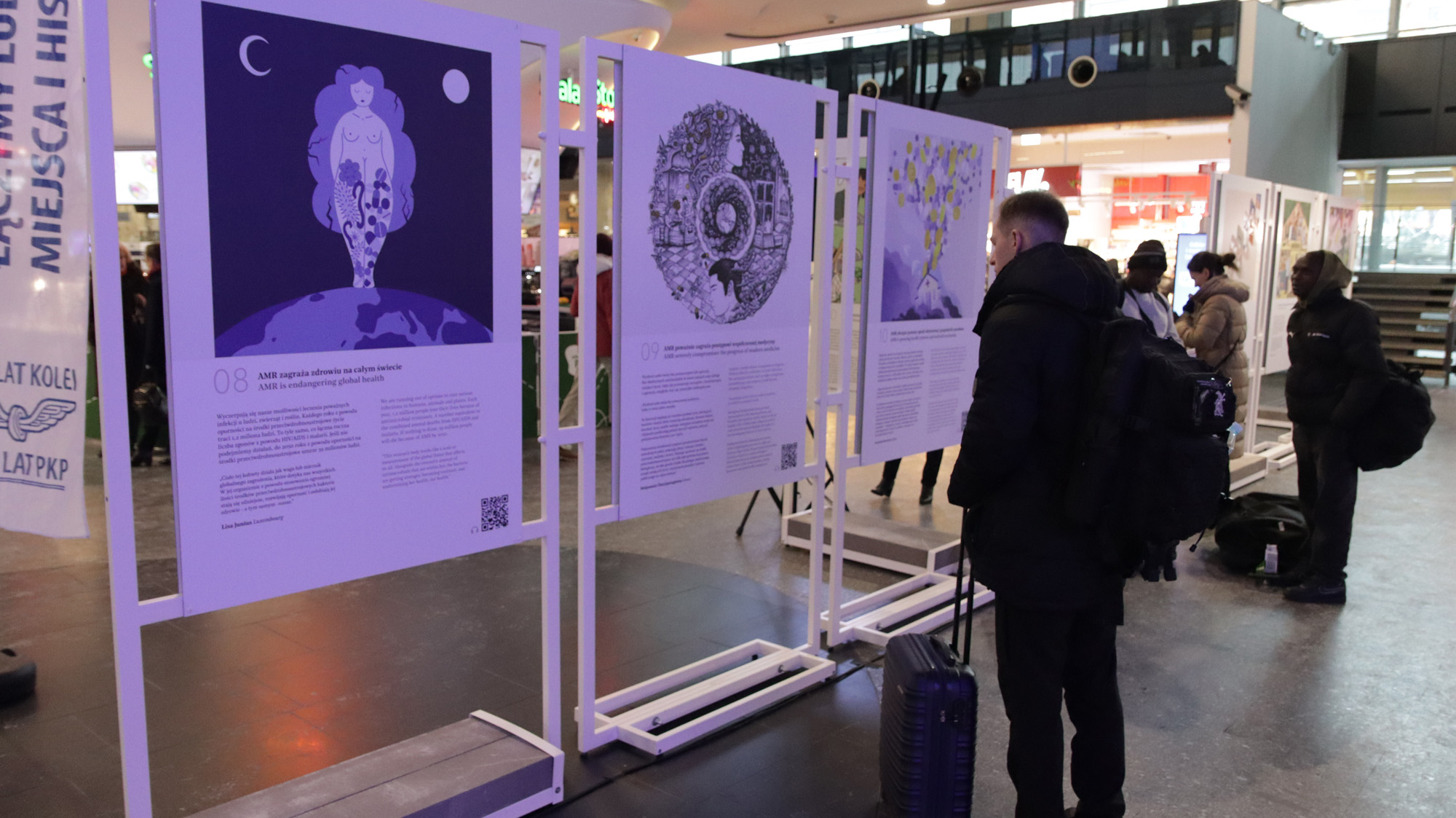
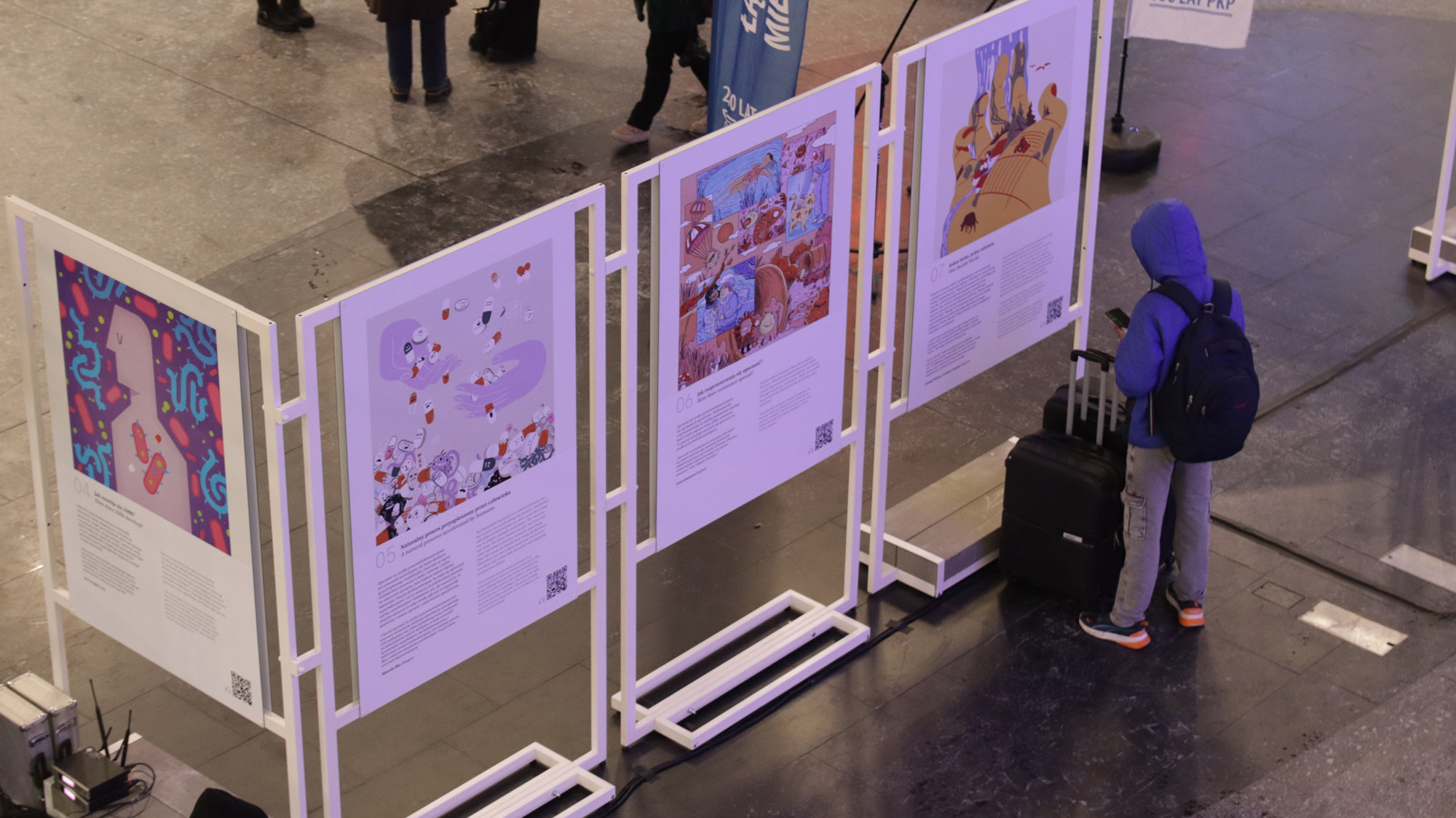
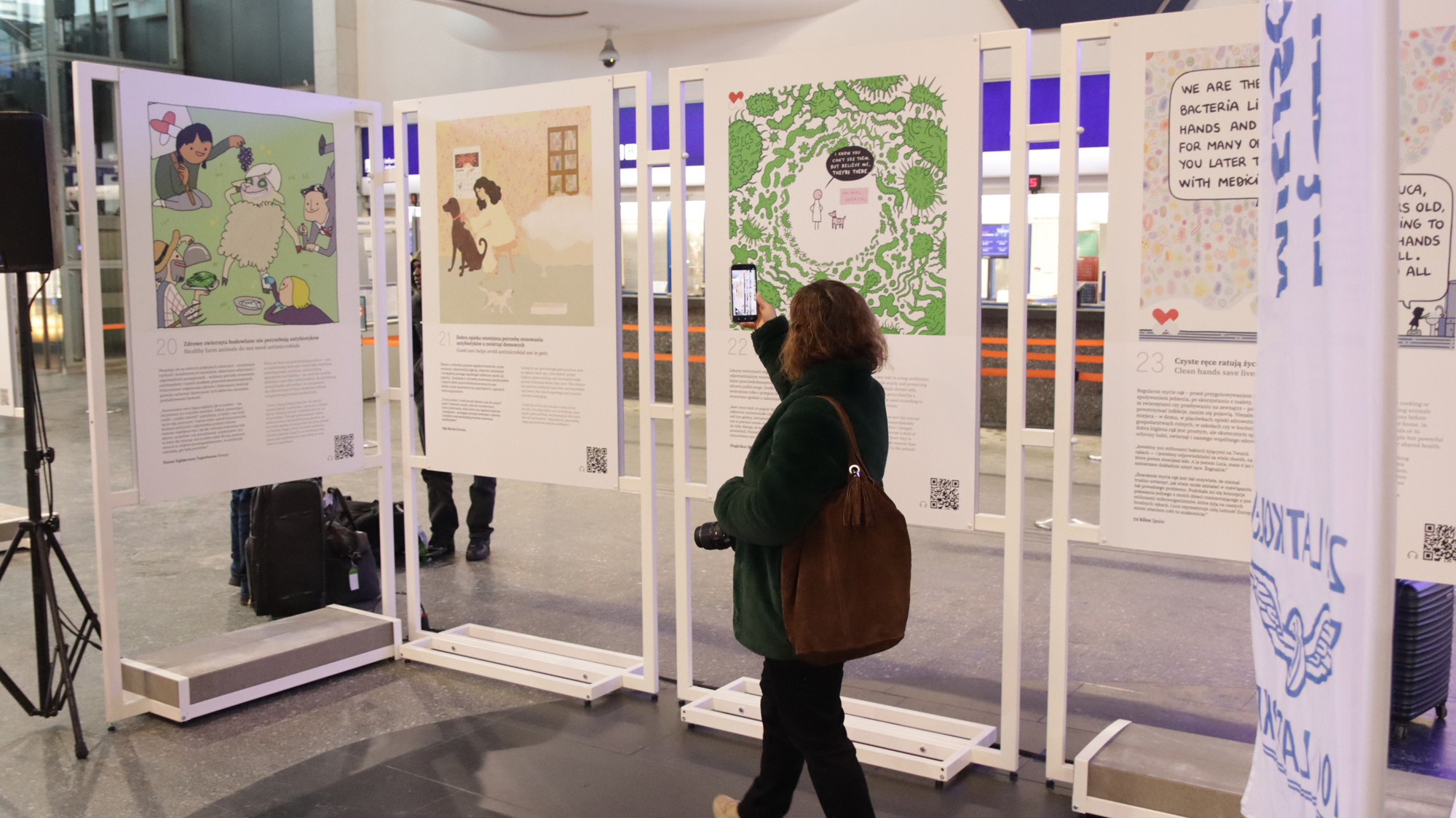
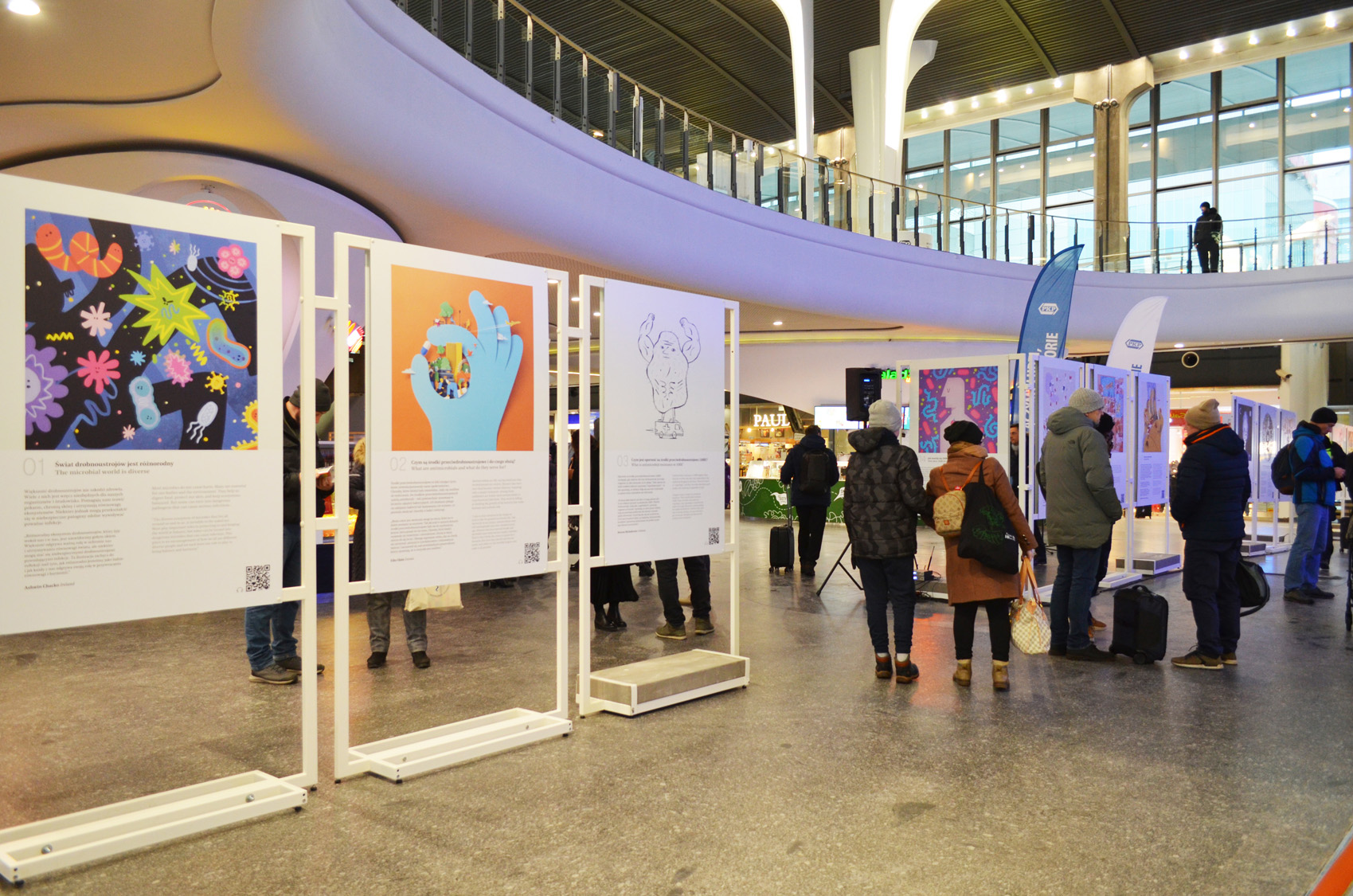
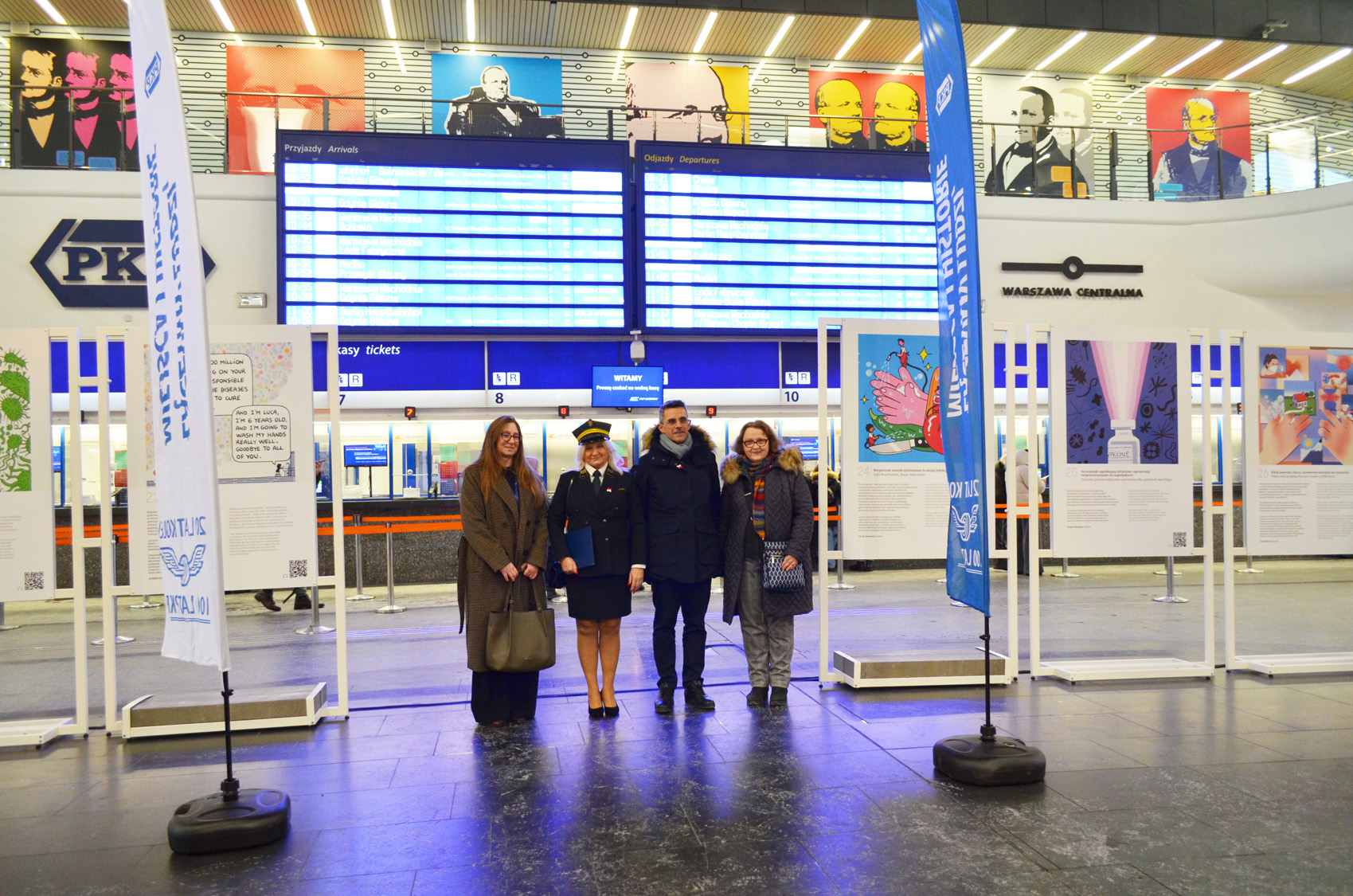
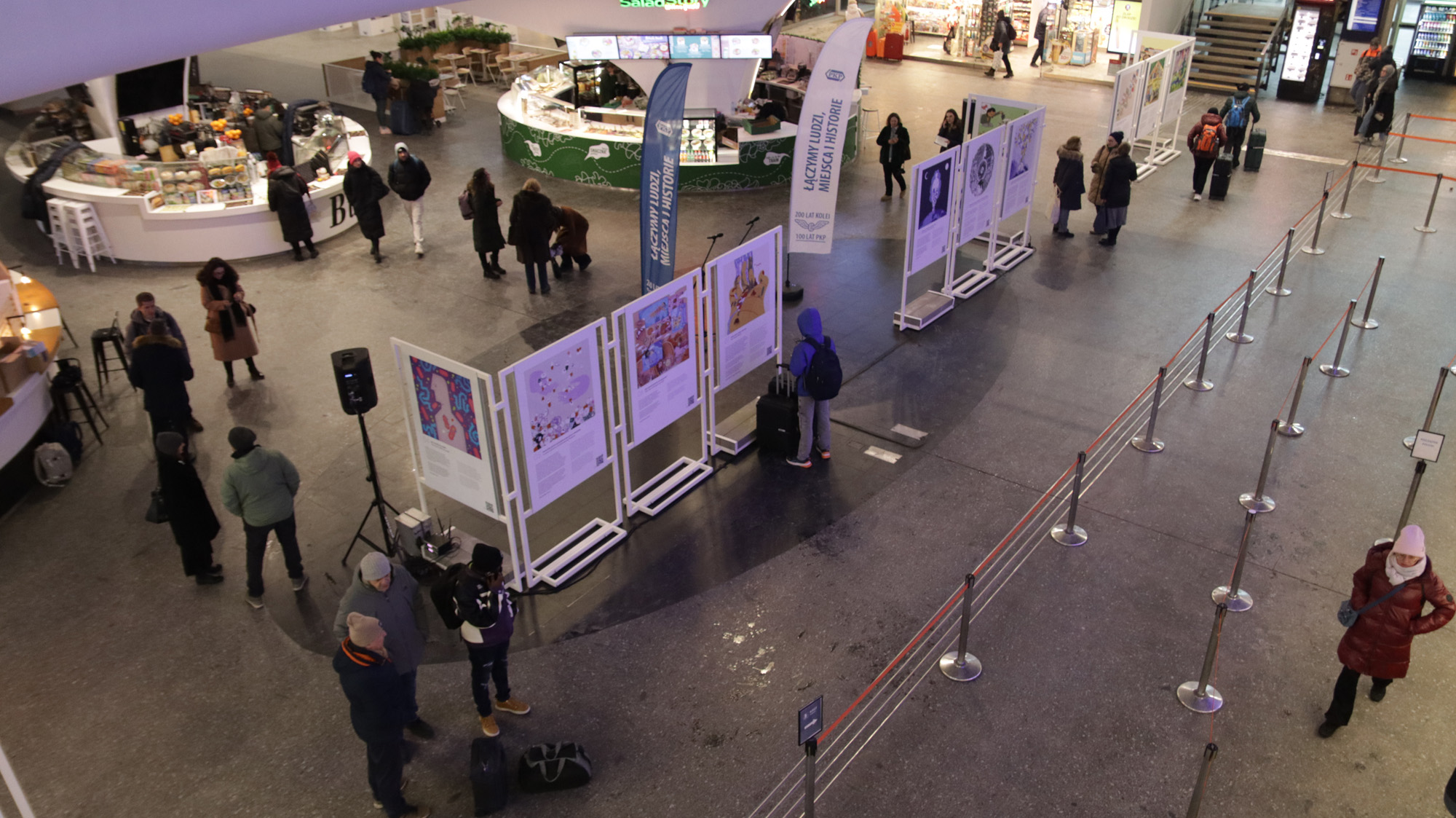
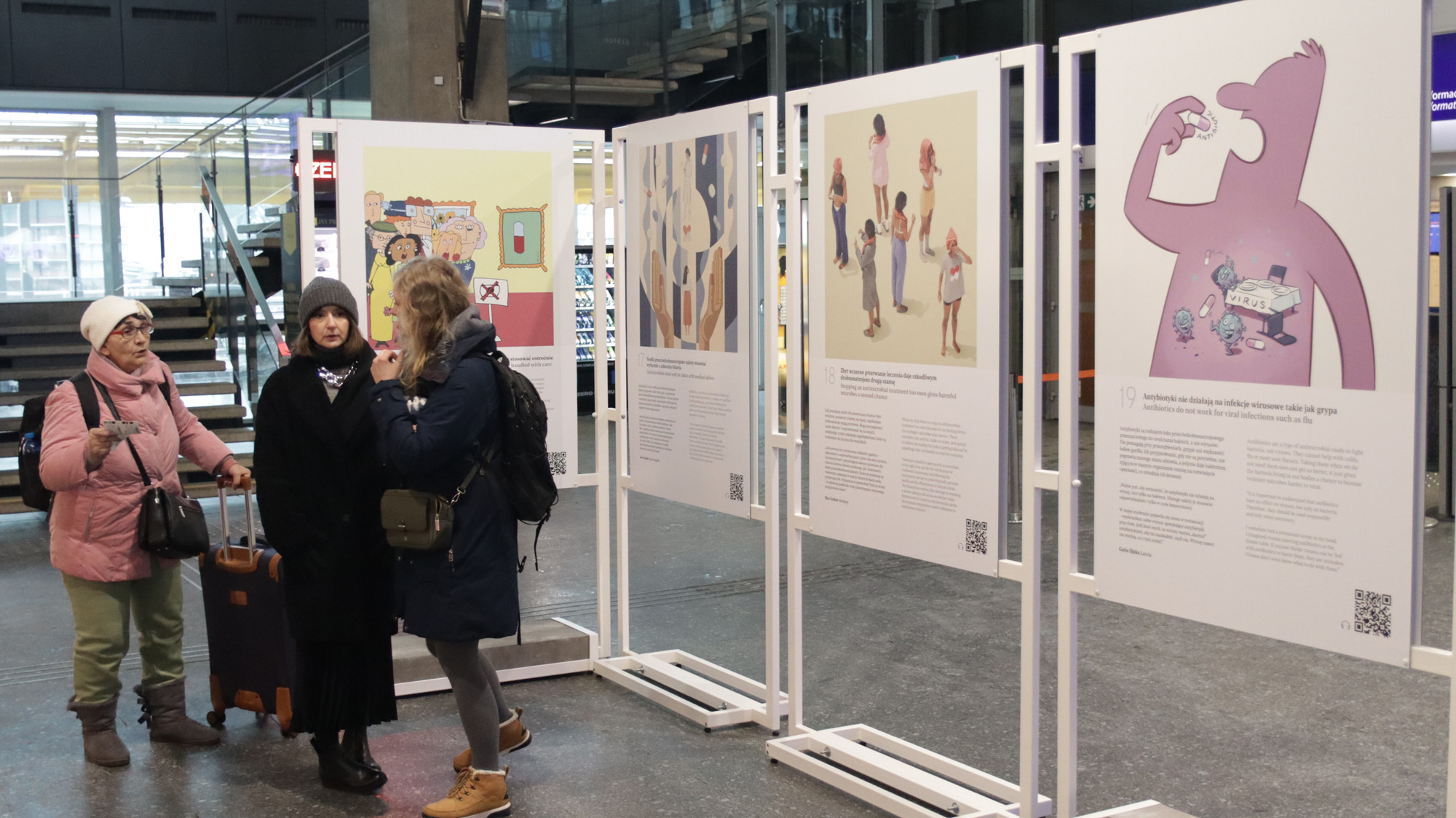
Warszawa Centralna hosted on February 17, 2026 the opening of “Sketching Antimicrobial Resistance (AMR): Thirty stories, One Health”, an outdoor exhibition promoted within the framework of the European Joint Action EU-JAMRAI 2. It brings together illustrations and messages from 30 illustrators from 30 European countries to raise awareness of one of the major public health threats of our time: antimicrobial resistance (AMR) and will remain open to the public until 3rd March.
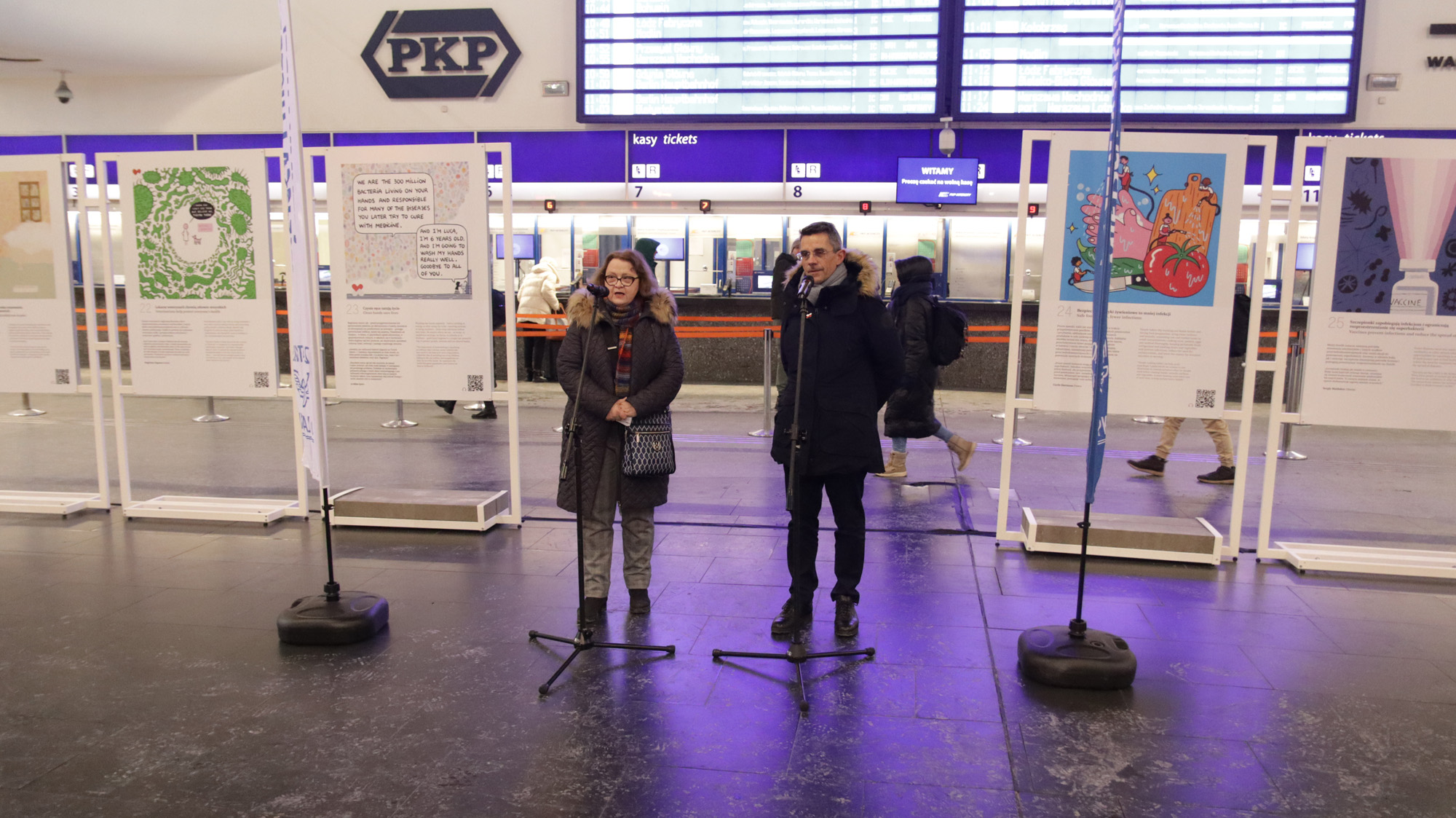
The opening in Warsaw is supported by EU-JAMRAI 2’s local partners in Poland –Narodowy Instytut Leków (NIL) andNarodowy Instytut Zdrowia Publicznego (NIZP)– and has been possible thanks to the collaboration of KPK (Polish State Railways), bringing the exhibition to a high-footfall public space to engage citizens where they live, move and travel. The exhibition, installed in the main hall of Warszawa Centralna, is presented with panels in English and Polish and is complemented by an audio guide to provide more information about each illustration and enhance the visitor experience.
The exhibition is part of a broader project involving, over recent months, 30 illustrators from all EU-27 countries, plus Ukraine, Norway and Iceland. The initiative, which combines art and science with messages developed from a One Health perspective, recognises the connection between human health, animal health and environmental health. The content is organised into three sections: what antimicrobial resistance is, why it matters, and what we can do to stop it.
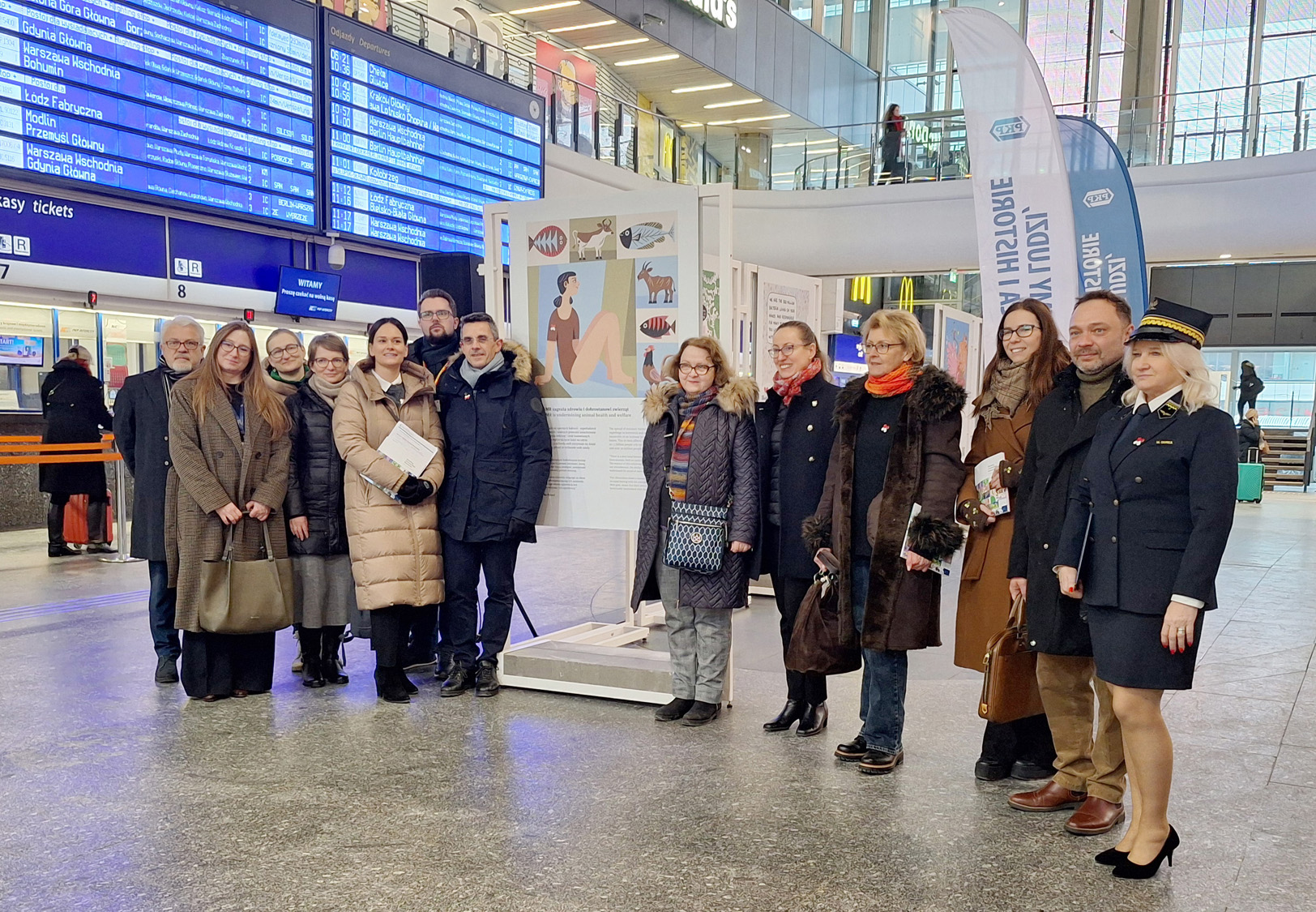
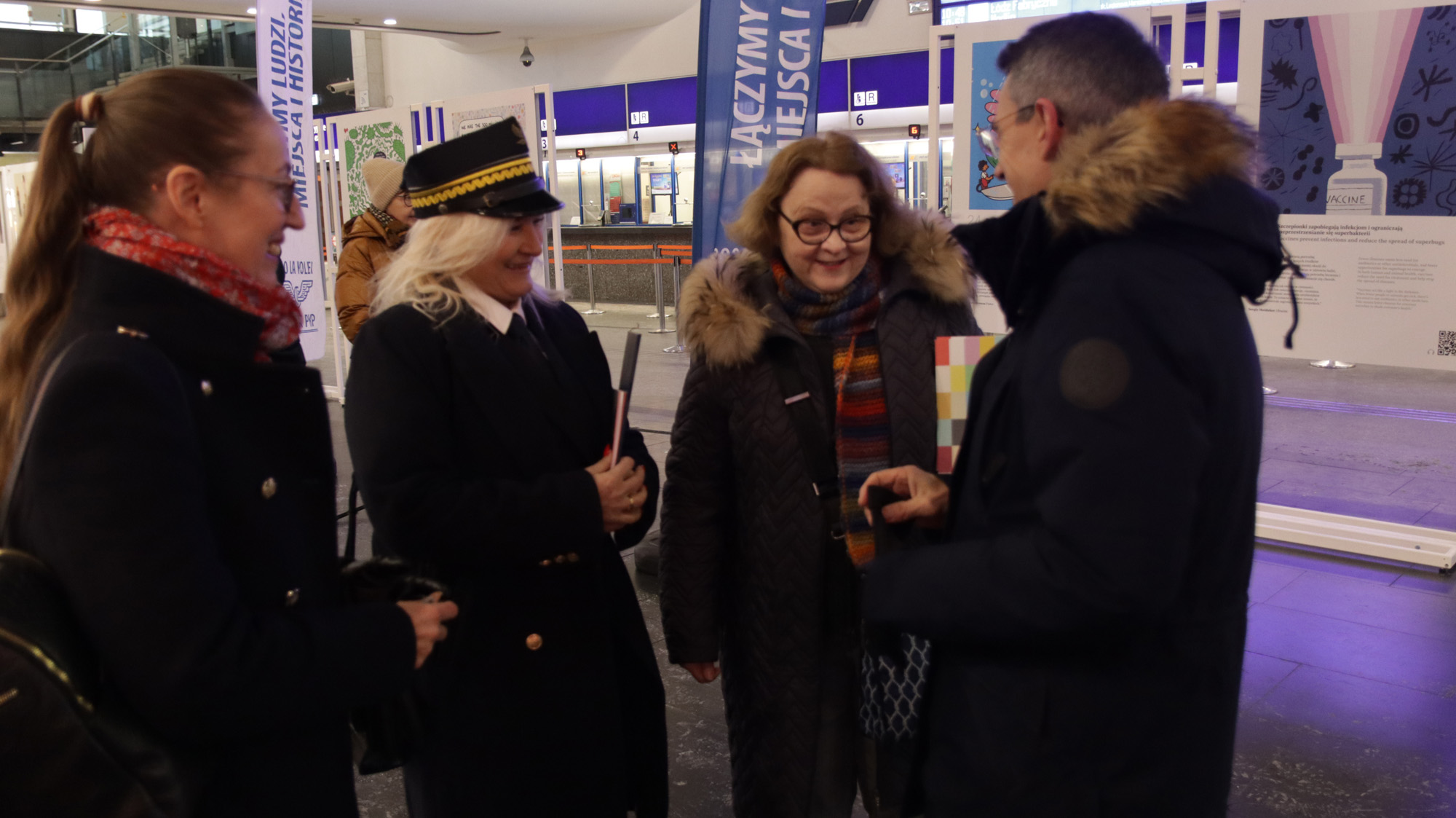
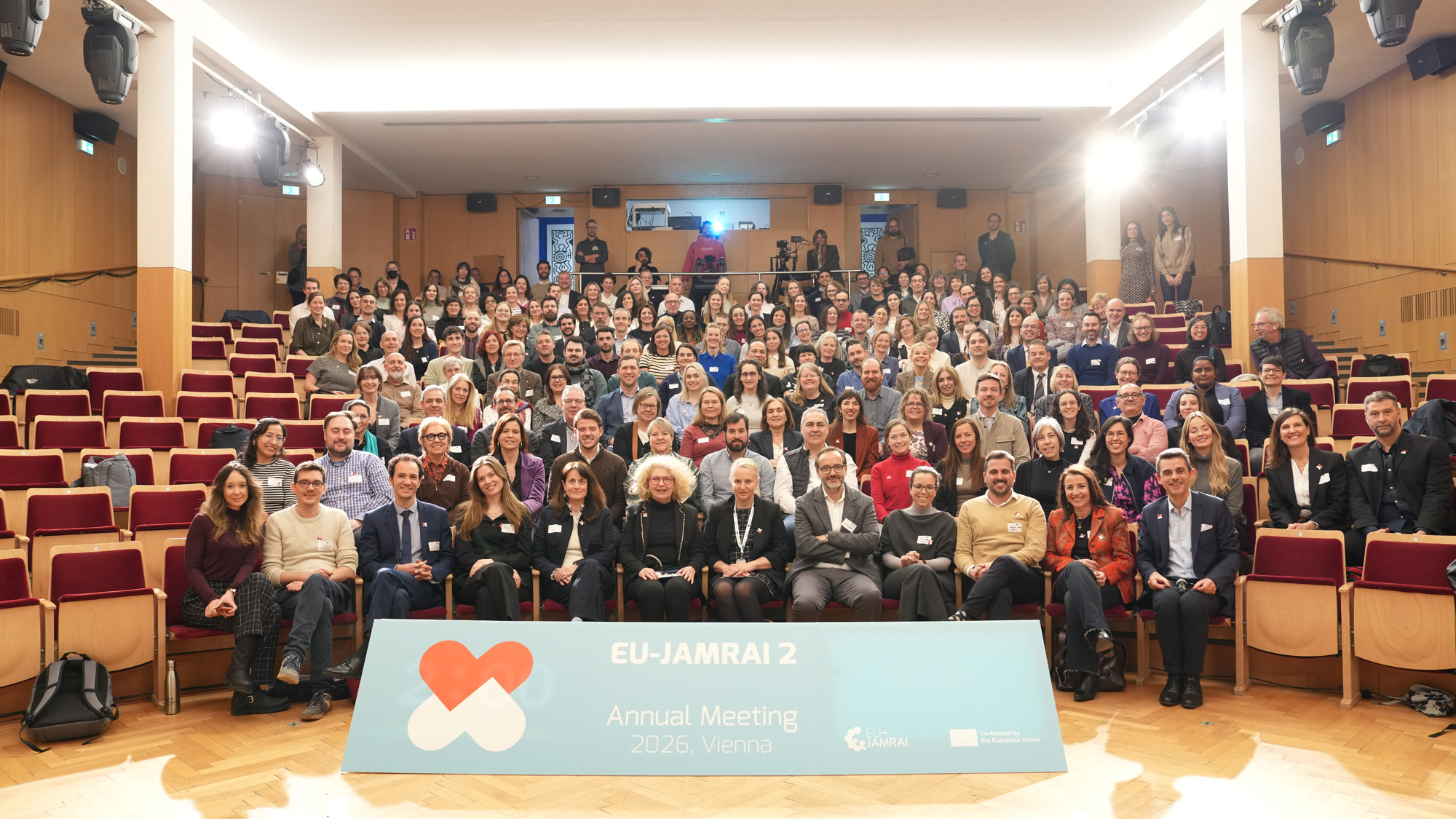
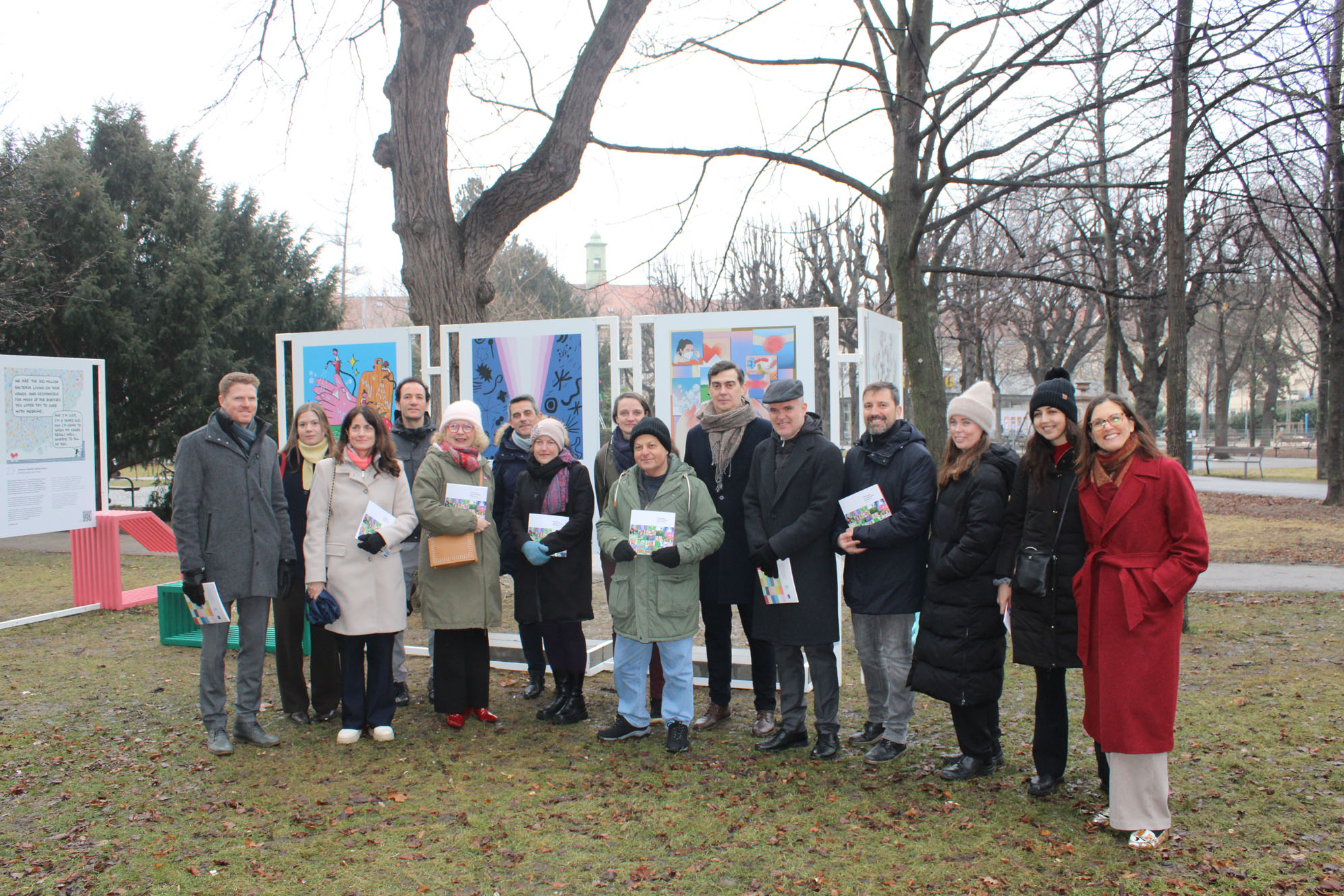
The official opening of the exhibition was attended, among others, by Richard Vaux (EU-JAMRAI 2 Project Manager); Anna Baumann-Popczyk (Director of the Health Department of the Polish Ministry of Health), Professor Małgorzata Kęsik Brodacka, Scientific Director of the National Medicine Institute (NIL); Dr Dorota Żabicka (NIL), Dr Bernard Waśko, Directof of NIZP (National Institute of Public Health), Rafał Włodarczyk (Public Health officer WHO), dr. Małgorzata Durka Deputy Director of the Medical Department, PKP S.A. Railway Occupational Medicine Branch, as well as representatives of the Warsaw City Hall/Warsaw authorities.
“Taking care of antibiotics is taking care of life”
Richard Vaux opened the event by recalling that the exhibition was developed within EU-JAMRAI 2 -an EU co-funded initiative uniting experts and institutions from 30 countries to protect the medicines that protect us- and by stressing that antimicrobial resistance, though largely invisible, was a growing societal challenge driven by misuse and overuse of antimicrobials across healthcare, communities, farming and the environment.
Antimicrobial resistance is a serious cross-border threat to public health. In the European Union alone, AMR is estimated to cause over 33,000 deaths each year and generate annual social costs of approximately €1.5 billion. It occurs when microorganisms such as bacteria, viruses, fungi or parasites stop responding to medicines designed to eliminate them.
This phenomenon, largely invisible, is advancing in hospitals and homes, on farms and also in the environment, and reduces the effectiveness of antibiotics and other treatments essential to modern medicine. The campaign has two dimensions: a digital one, launched in November 2025 on the occasion of European Antibiotic Awareness Day and the hashtag #SketchingAntimicrobialResistance, and an in-person one, with public exhibitions in European cities. The exhibition premiered to the public last month in Vienna and, after its stop in Warsaw, will be shown-at least- in Brussels, Rome and Madrid over the coming months. In addition, the initiative has a multilingual website with the illustrations and messages available in 27 languages, and an illustrated album as a resource for education and awareness-raising.
Partnership to Combat Drug Resistance
The official opening of the exhibition took place in the presence of representatives of healthcare institutions, including the Ministry of Health, WHO, NIL and NIZP PZH-PIB. Each institution is committed to improving the health situation of society – both in Poland and across Europe. Joint initiatives allow for accumulation of forces in large-scale work.
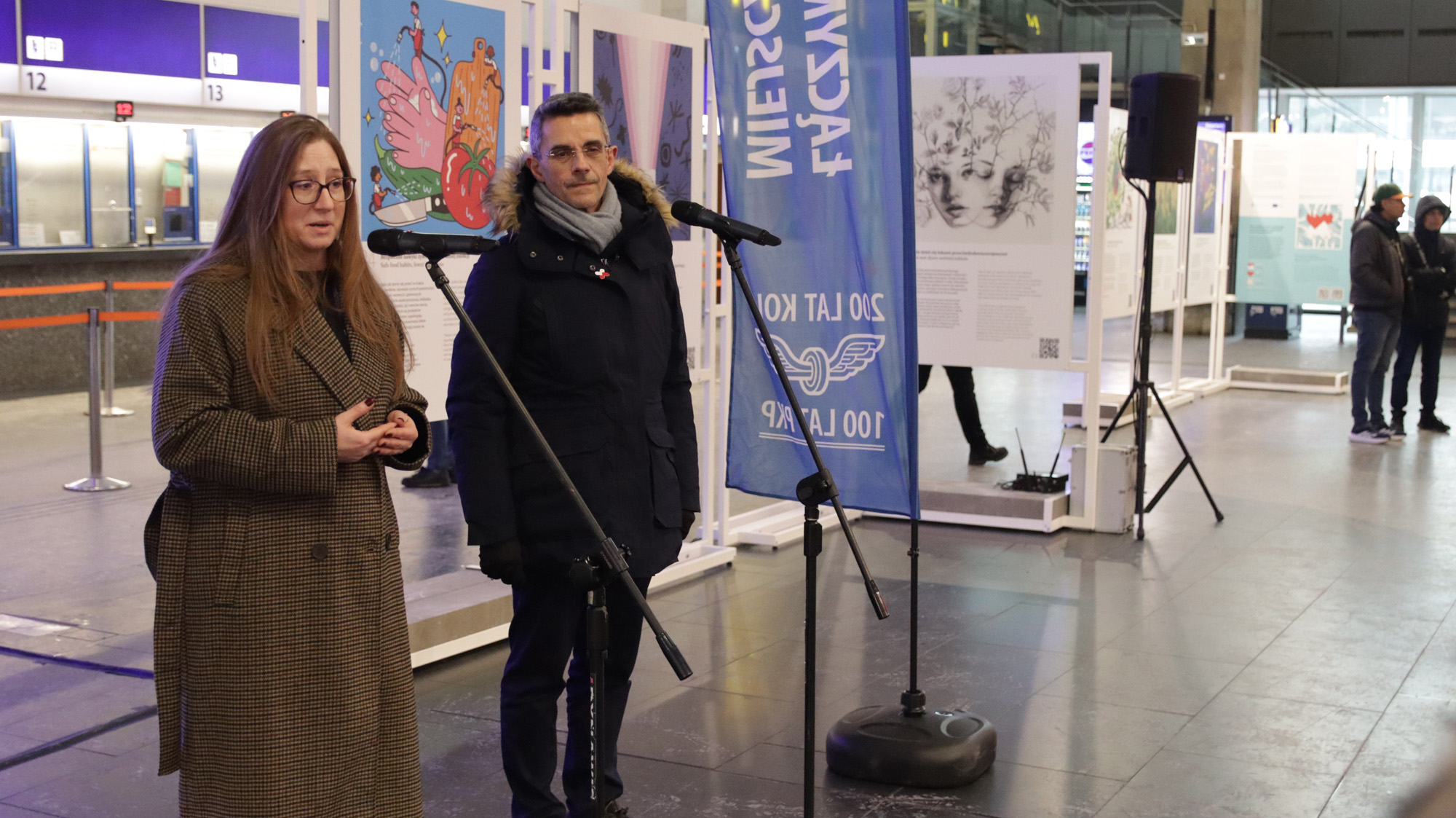
“I am very pleased to have the opportunity to be here with you as representative of the Ministry of Health. We have the opportunity to see the excellent results of the EU-JAMRAI initiative, which brings together individuals, scientists, institutions, experts, and citizens of the European Union who are undertaking efforts and actions aimed at inhibiting drug resistance. Antibiotics are a wonderful blessing, a wonderful invention of humanity – they help us fight diseases that were deadly to us many years ago. (…)
Unfortunately, bacteria are learning to overcome the mechanisms by which antibiotics help us. Therefore, it is very important (in these times, in the era of disinformation) that knowledge about how we can counteract drug resistance should be widely available. Today, thanks to the JAMRAI initiative, we can see wonderful graphics by 30 artists showing us how microbial resistance develops and how our daily decisions and choices (as ordinary citizens) can help slow this process – so that together we can contribute to ensuring that this blessing (antimicrobial drugs) will not stop helping us. I invite you to explore the graphics. Thank you very much for this initiative.
Anna Baumann-Popczyk, Director of the Department of Health, Ministry of Health
“On behalf of the National Medicines Institute, coordinator of the EU-JAMRAI 2 project in Poland, I am delighted to participate in this important initiative to combat antimicrobial resistance. This issue is particularly urgent today as we develop a Polish strategy to combat antimicrobial resistance. Events like this exhibition help raise public awareness and support more responsible antibiotic use.
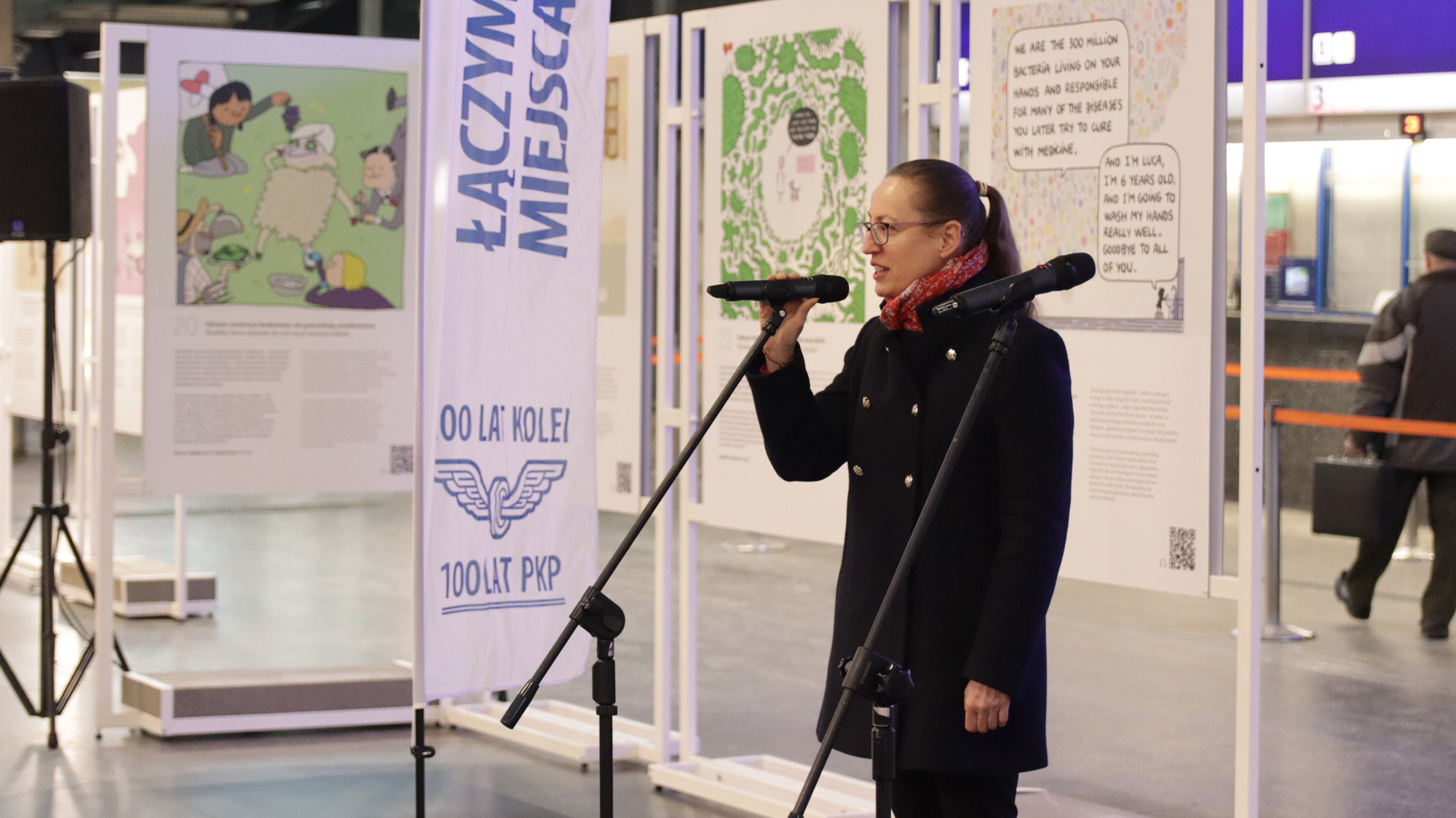
I thank the organizers and artists for creating a space for reflection and discussion on how we can collectively protect the effectiveness of antibiotics.”
Prof. Małgorzata Kęsik-Brodacka, Scientific Director of the National Medicines Institute
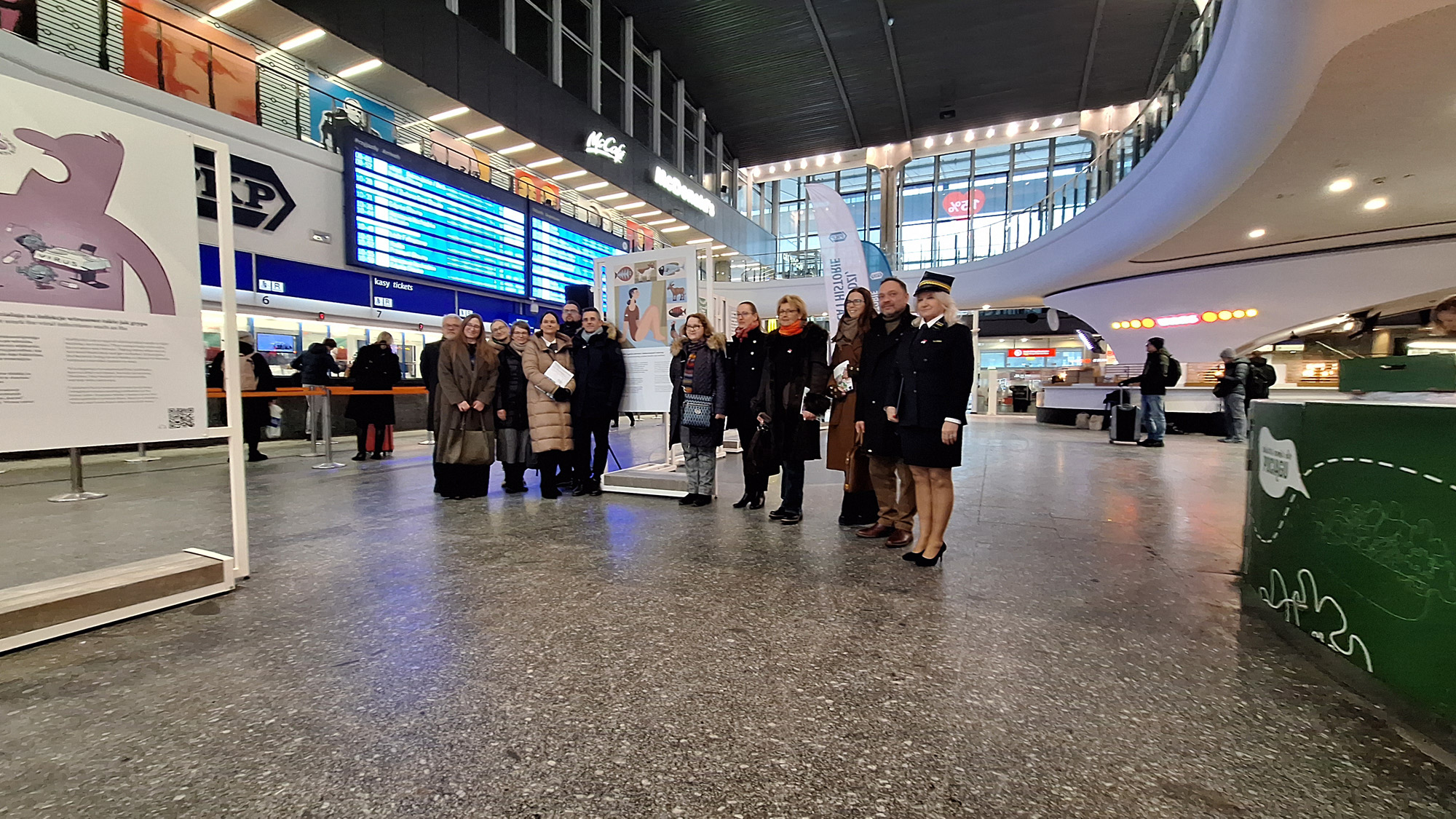
“Antibiotic resistance is one of the biggest global public health challenges. Infections caused by drug-resistant bacteria are increasingly common in healthcare. It is estimated that each year in Europe, patients spend over 9.5 million additional days in hospitals because of infections caused by these microorganisms. This translates into a burden on the healthcare system, the economy, and, above all, costs many lives.
In Europe, in 2019, bacterial resistance was associated with over 500,000 deaths. According to the WHO, one in three people with tuberculosis is currently being treated for multidrug-resistant tuberculosis. AMR can also impact the course of non-communicable diseases, where infection can have catastrophic consequences for the patient. Only the systemic solutions within the “One Health” approach—taking into account the interdependence of human, animal, and environmental health—can prevent further escalation of the problem.”
Dr. Bernard Waśko, MD, Director of the National Institute of Public Health, PZH-PIB
“PKP S.A. railway stations are one of the most accessible public spaces, passing through by thousands of people every day. They are natural places for public health education, as 21st-century medicine no longer takes place only in doctor’s offices – public awareness and everyday health decisions are playing an increasingly important role.
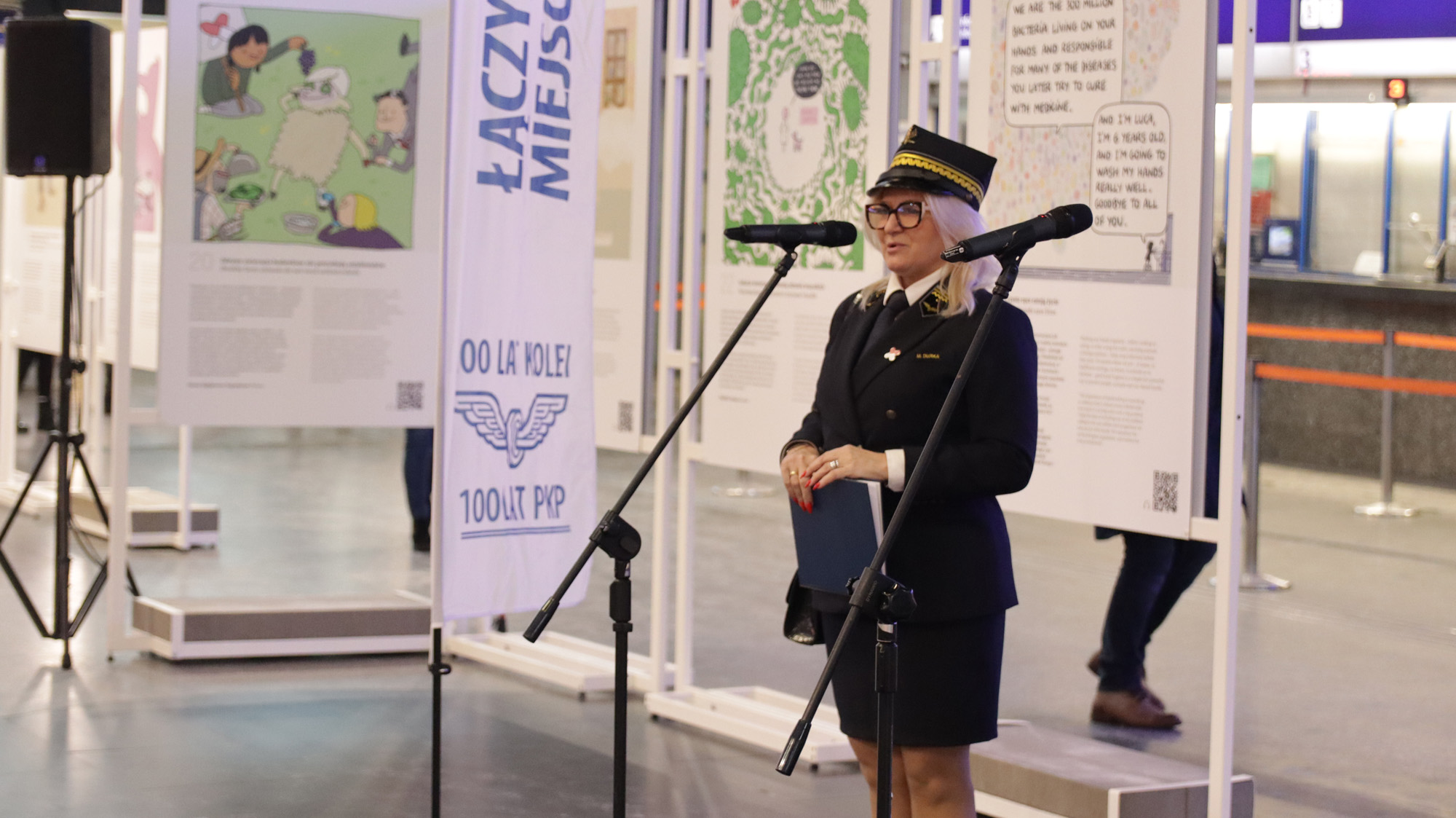
The presentation of an exhibition about antibiotic resistance at the Stanisław Moniuszko’s Central Station in Warsaw demonstrates that the transport space can become an important place for education and social dialogue. Art has the extraordinary power to stop us in daily rush. We believe that such initiatives encourage travelers to reflect on the responsible use of antibiotics and the One Health concept – one health for humans, animals, and the environment.”
Dr. Małgorzata Durka, Deputy Director of the Medical Affairs Department, PKP S.A. Railway Occupational Medicine Department
Picture gallery