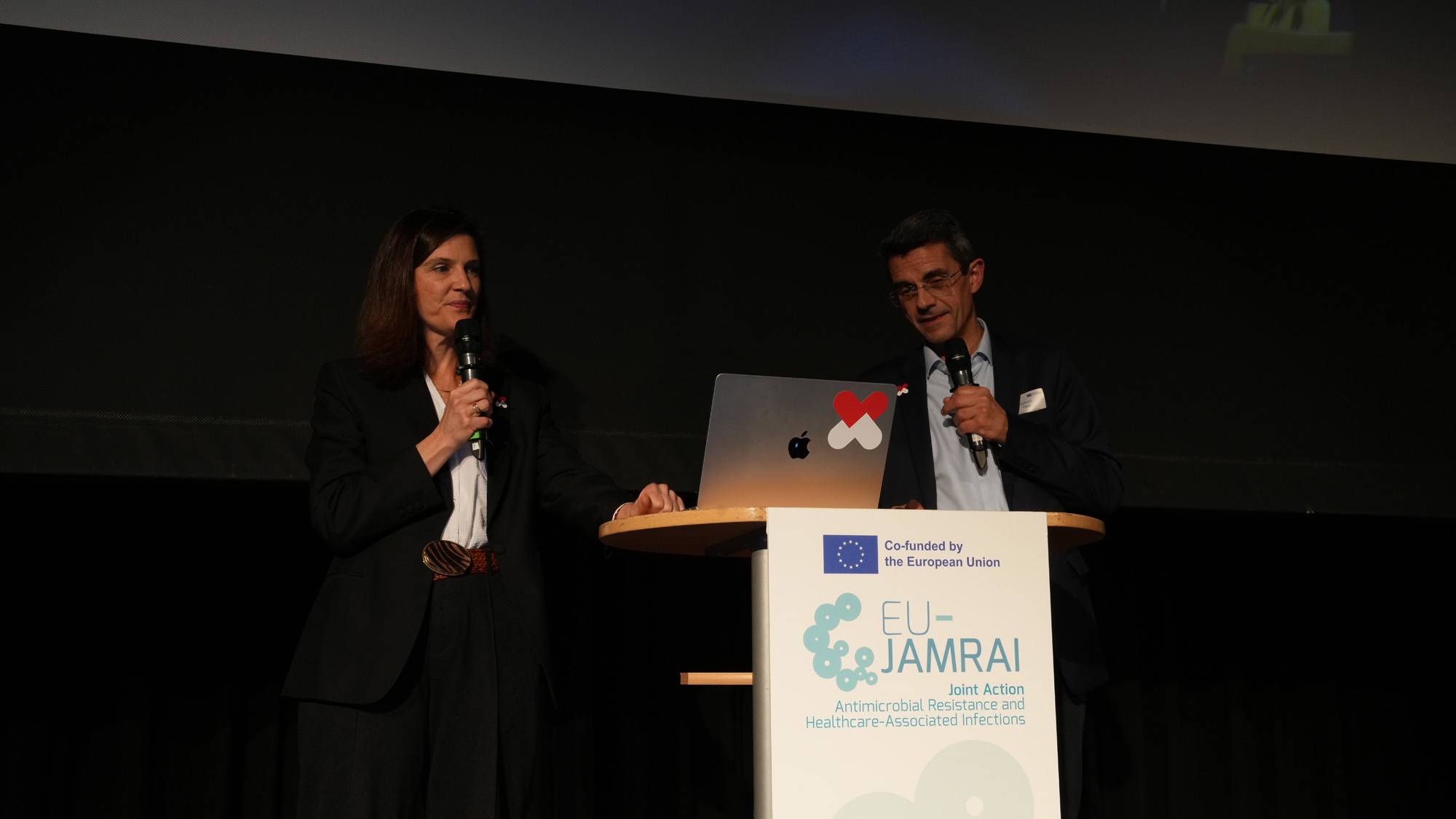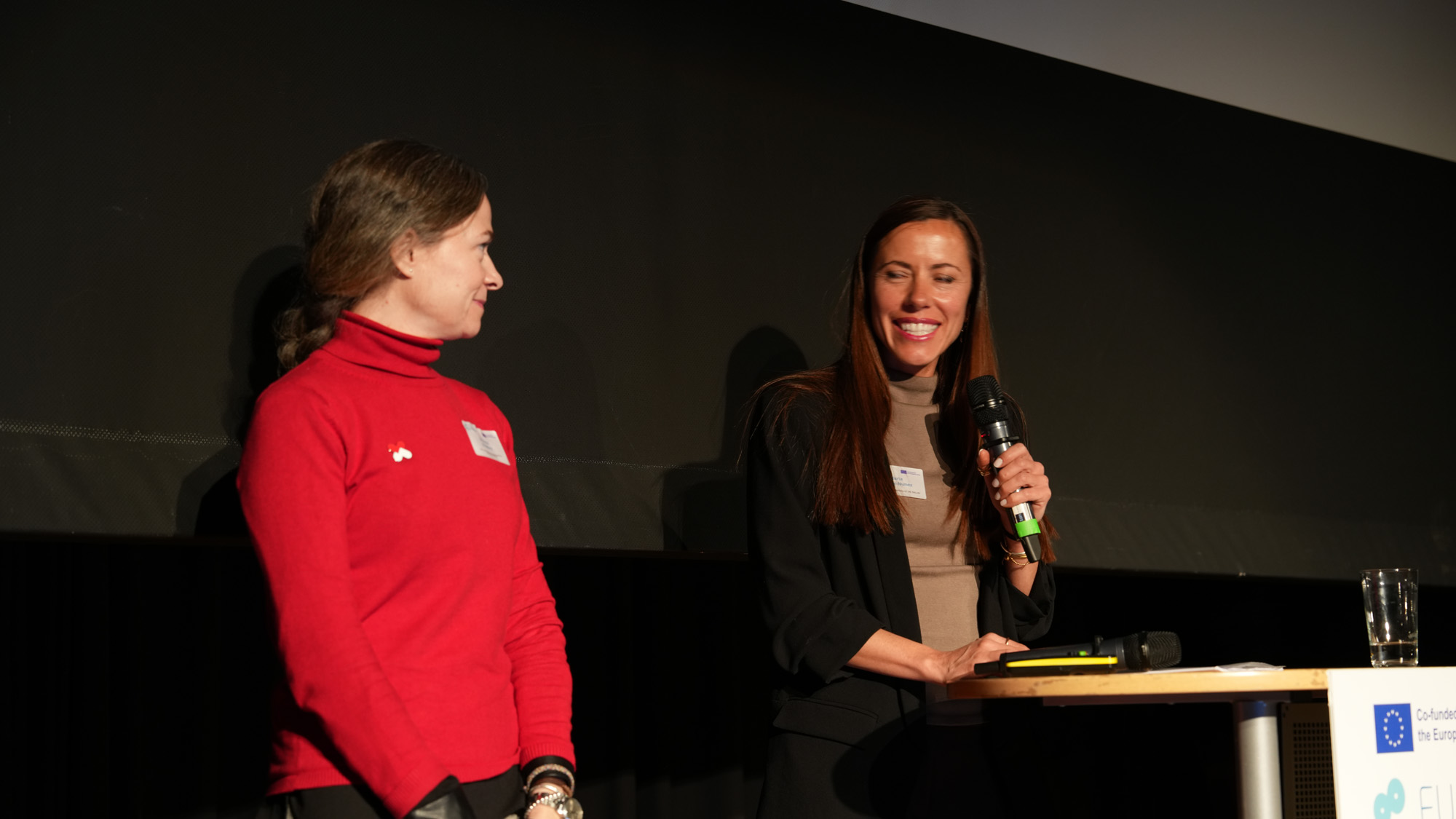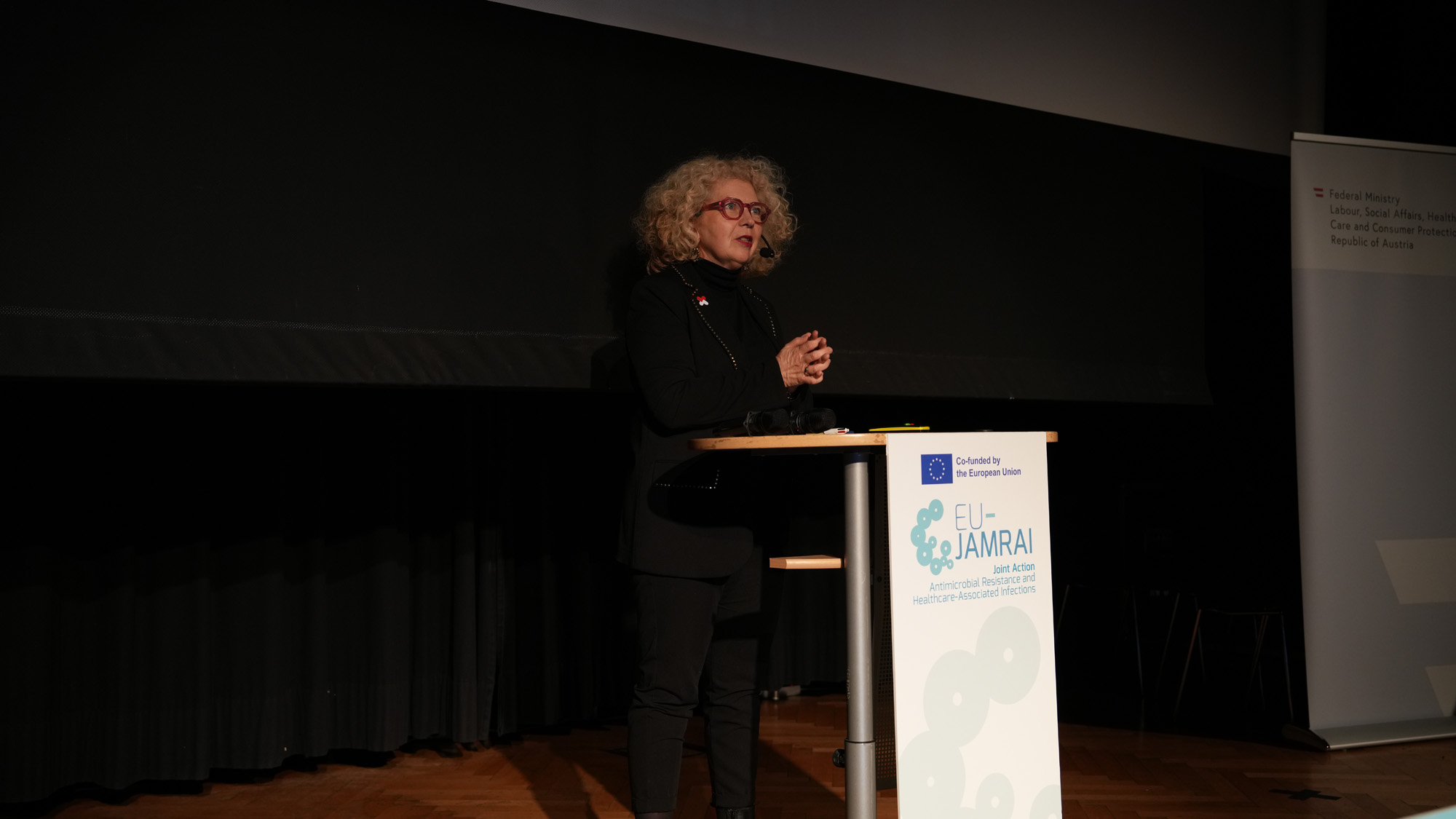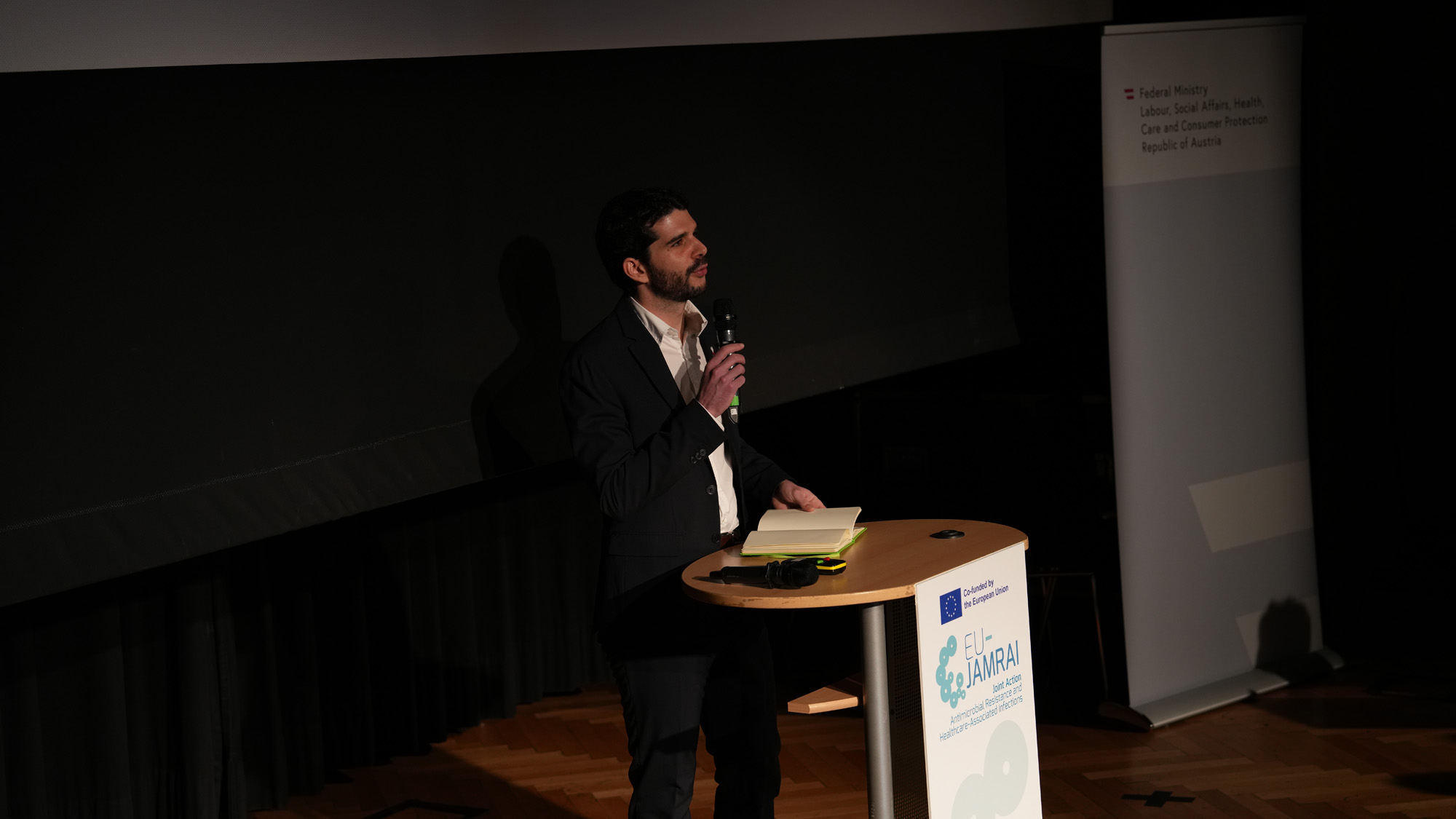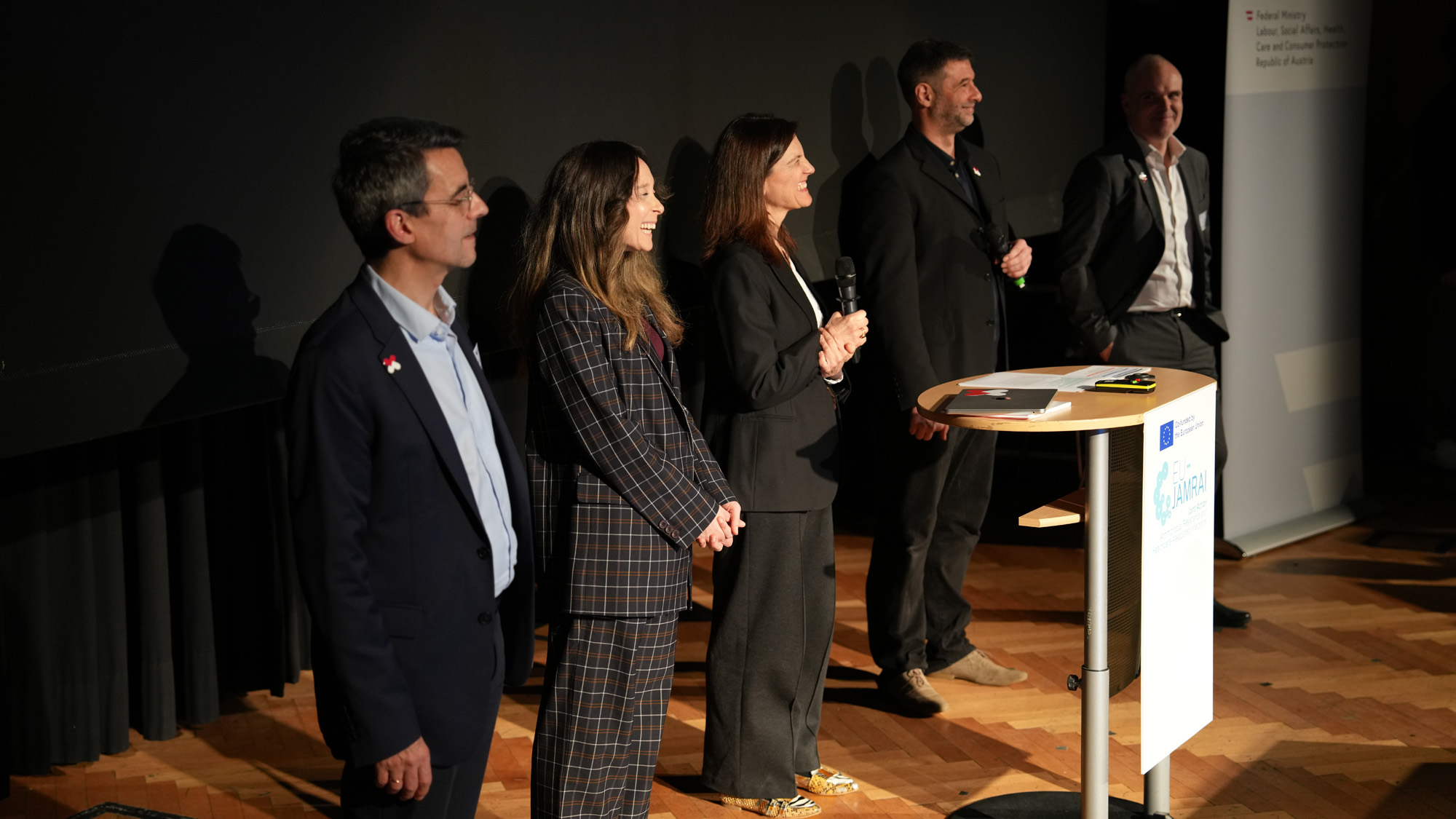
Country success stories, cross-sector collaboration and citizen engagement show how Europe is turning One Health strategies into practical solutions through improved surveillance, responsible use of antimicrobials, infection prevention and communication.
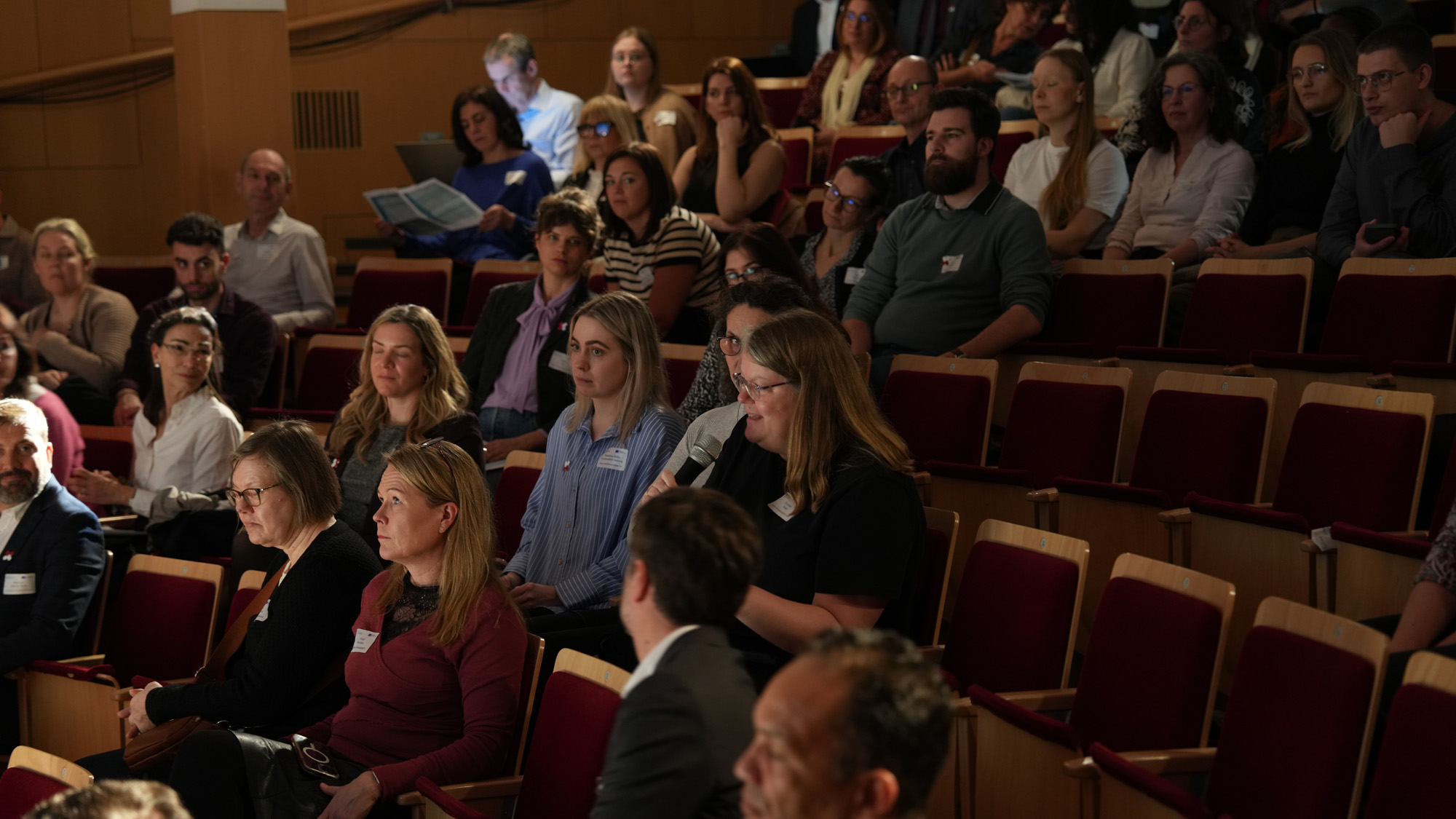
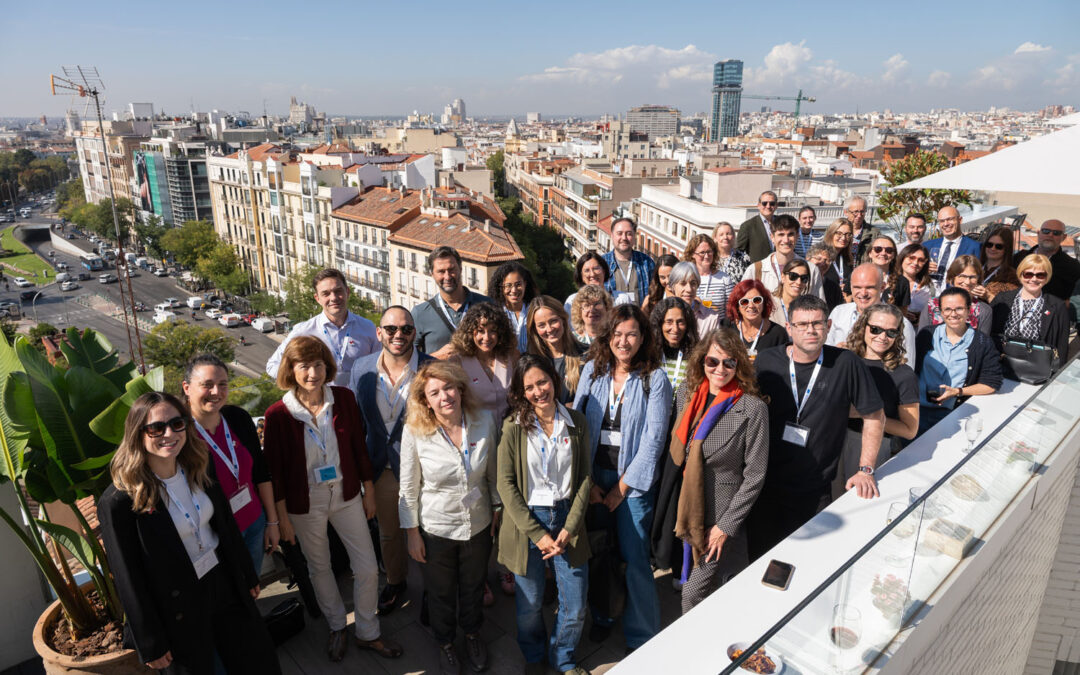
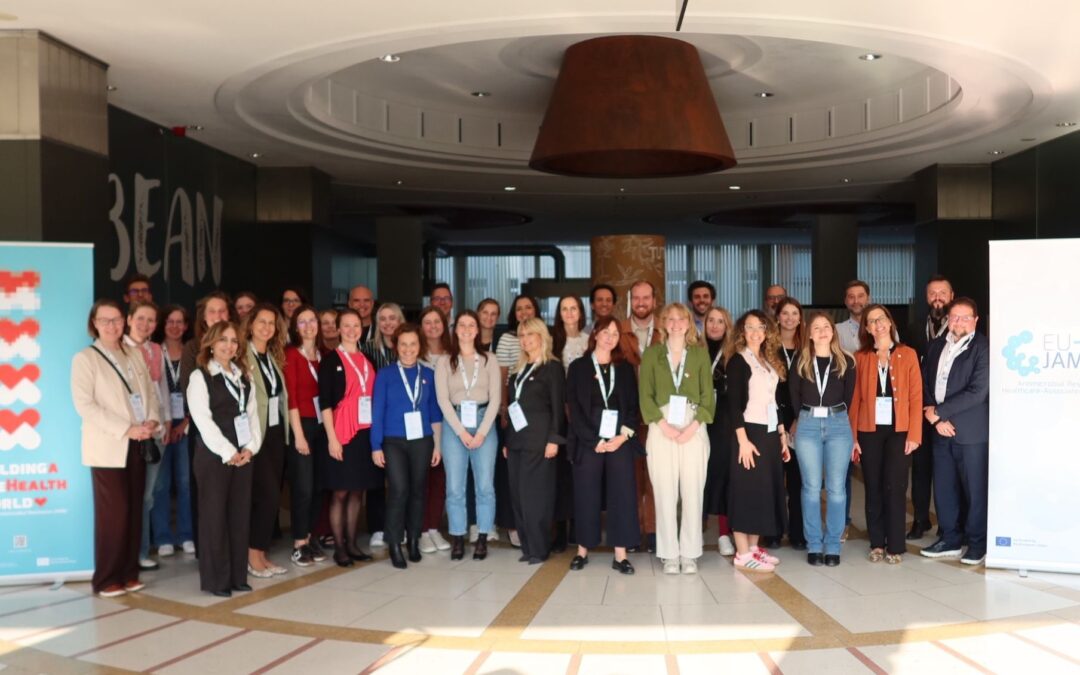
Nearly 300 participants gathered in Vienna and remotely at the second Annual Meeting of the Joint Action EU-JAMRAI 2, an unprecedented European effort to strengthen the response to one of the most pressing global health challenges: antimicrobial resistance
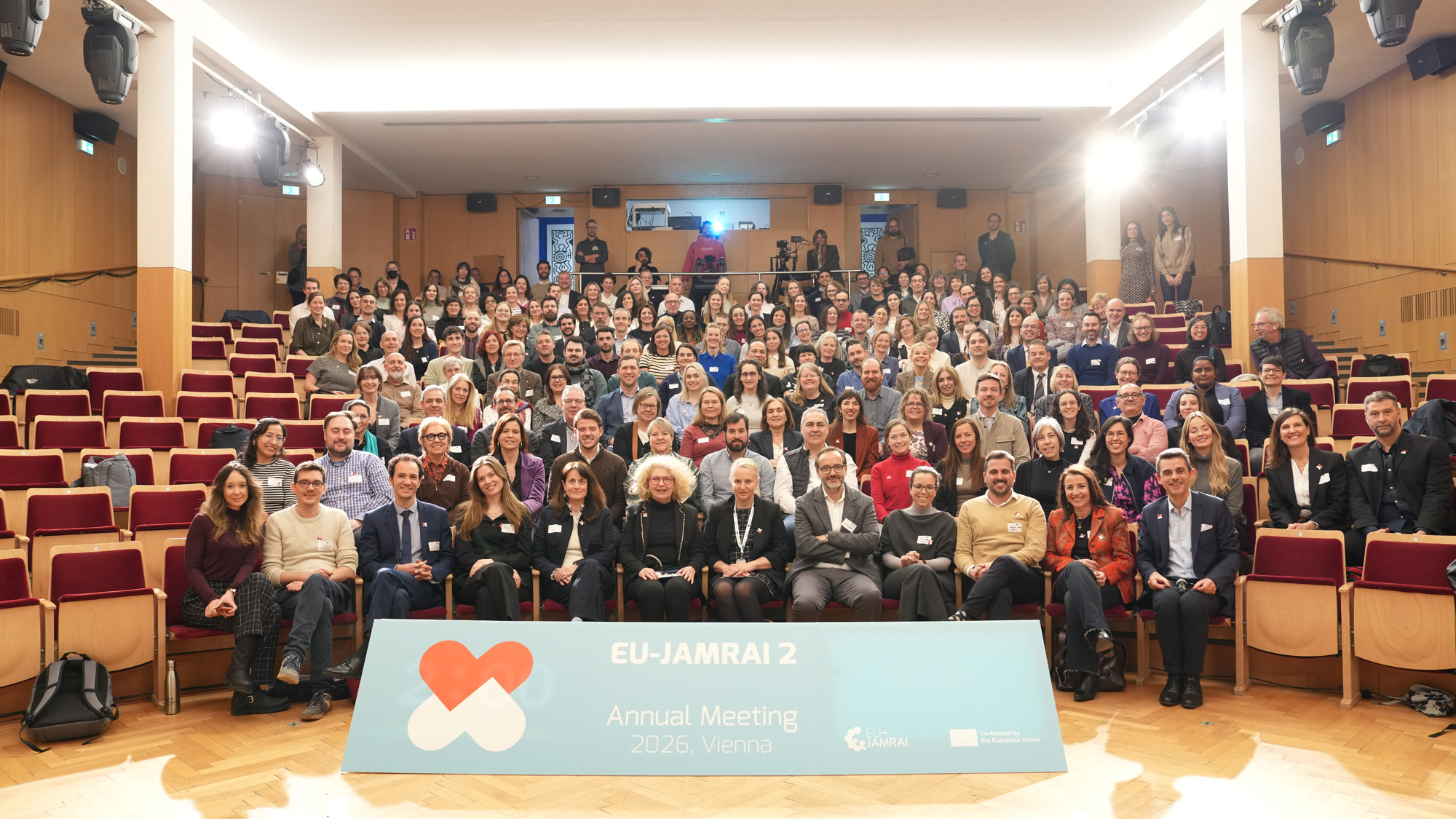
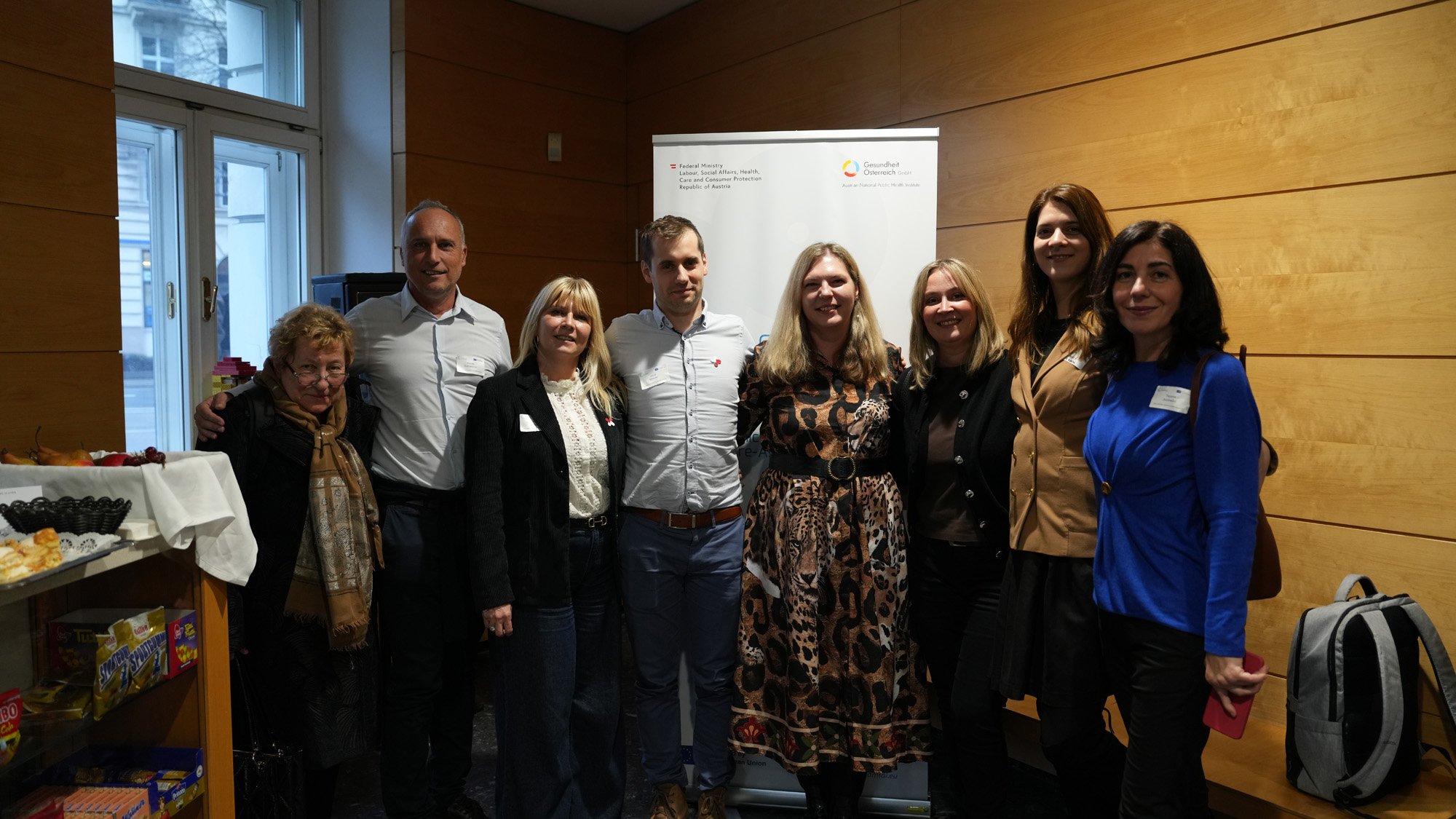
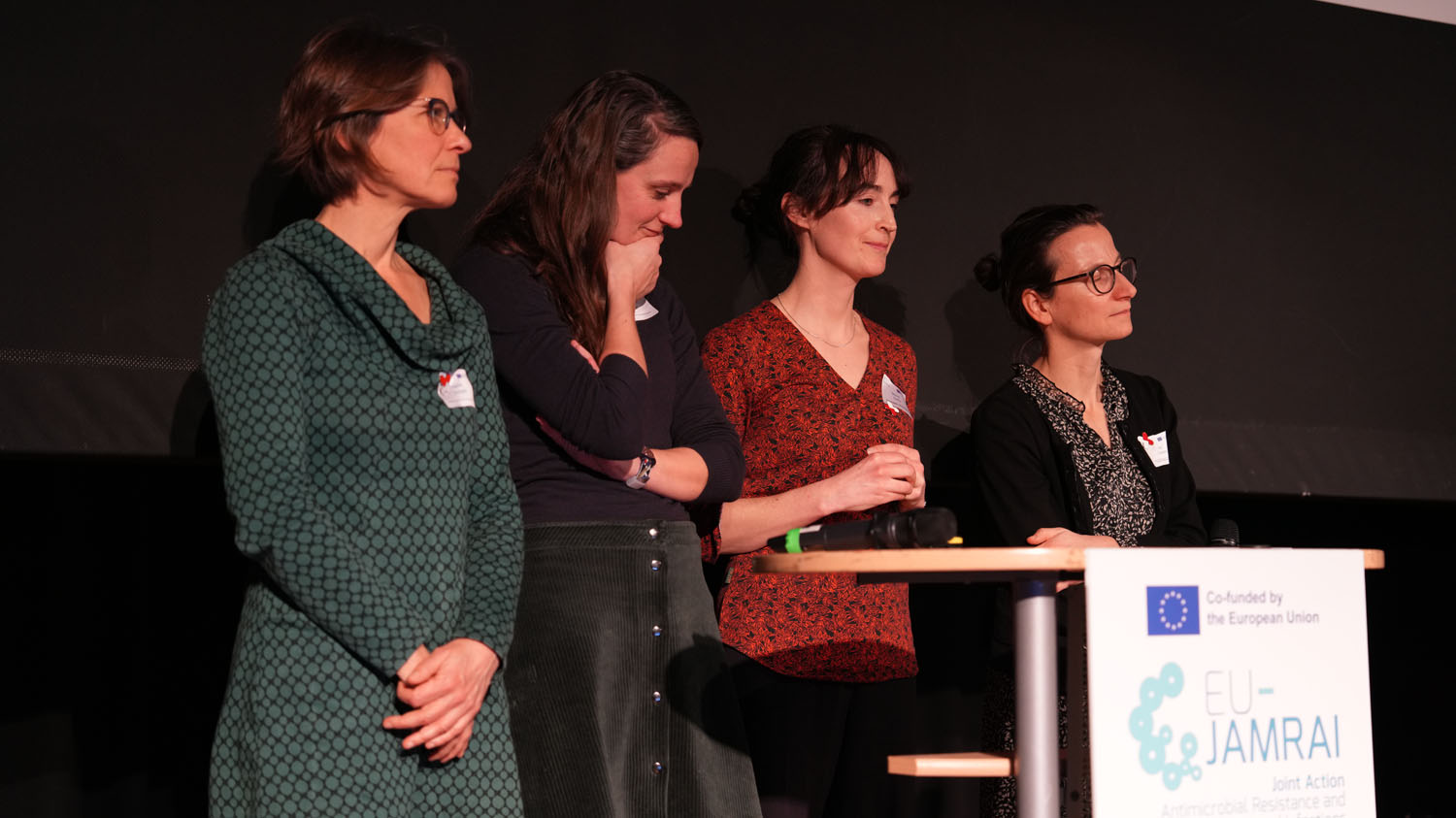
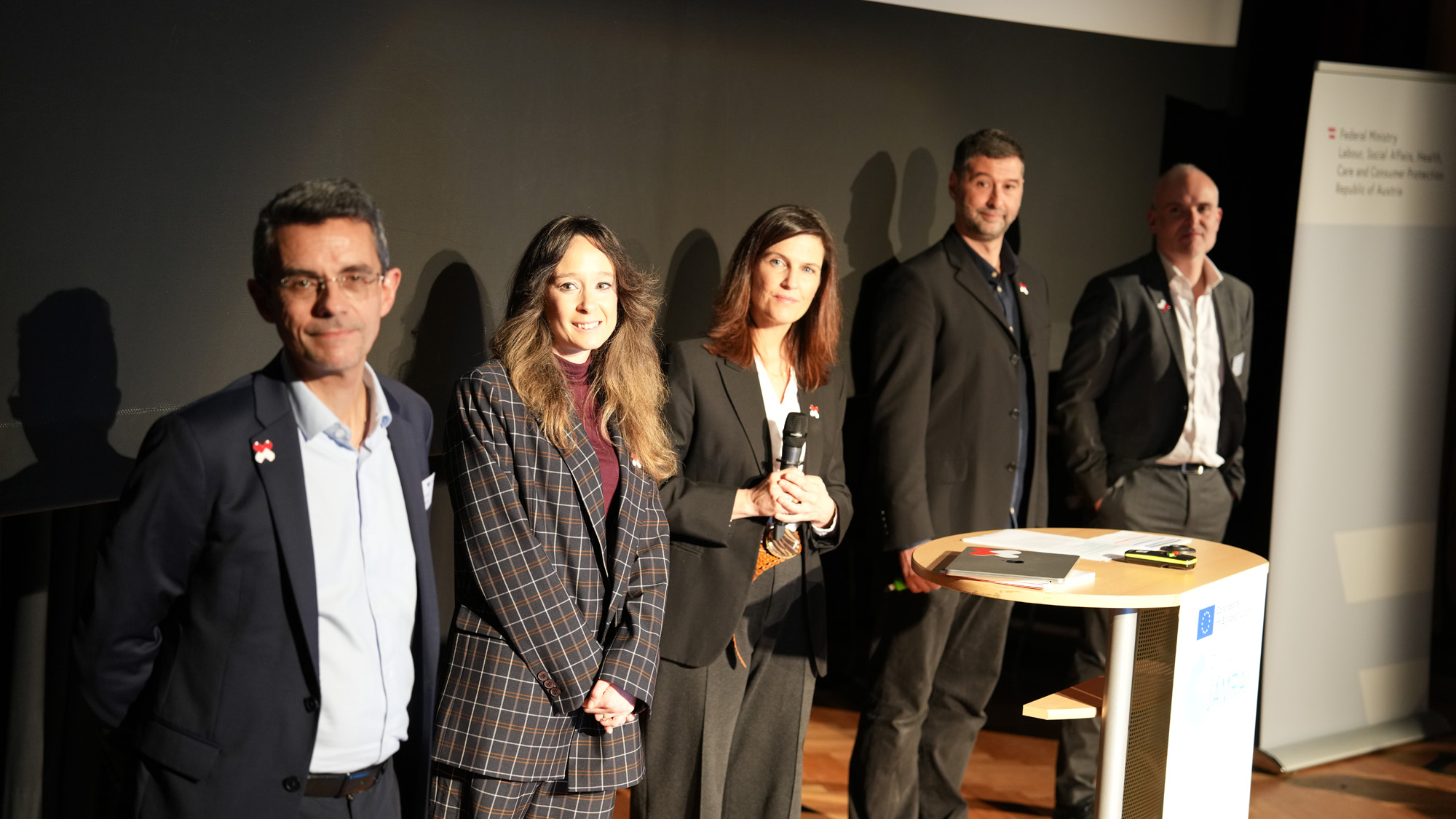
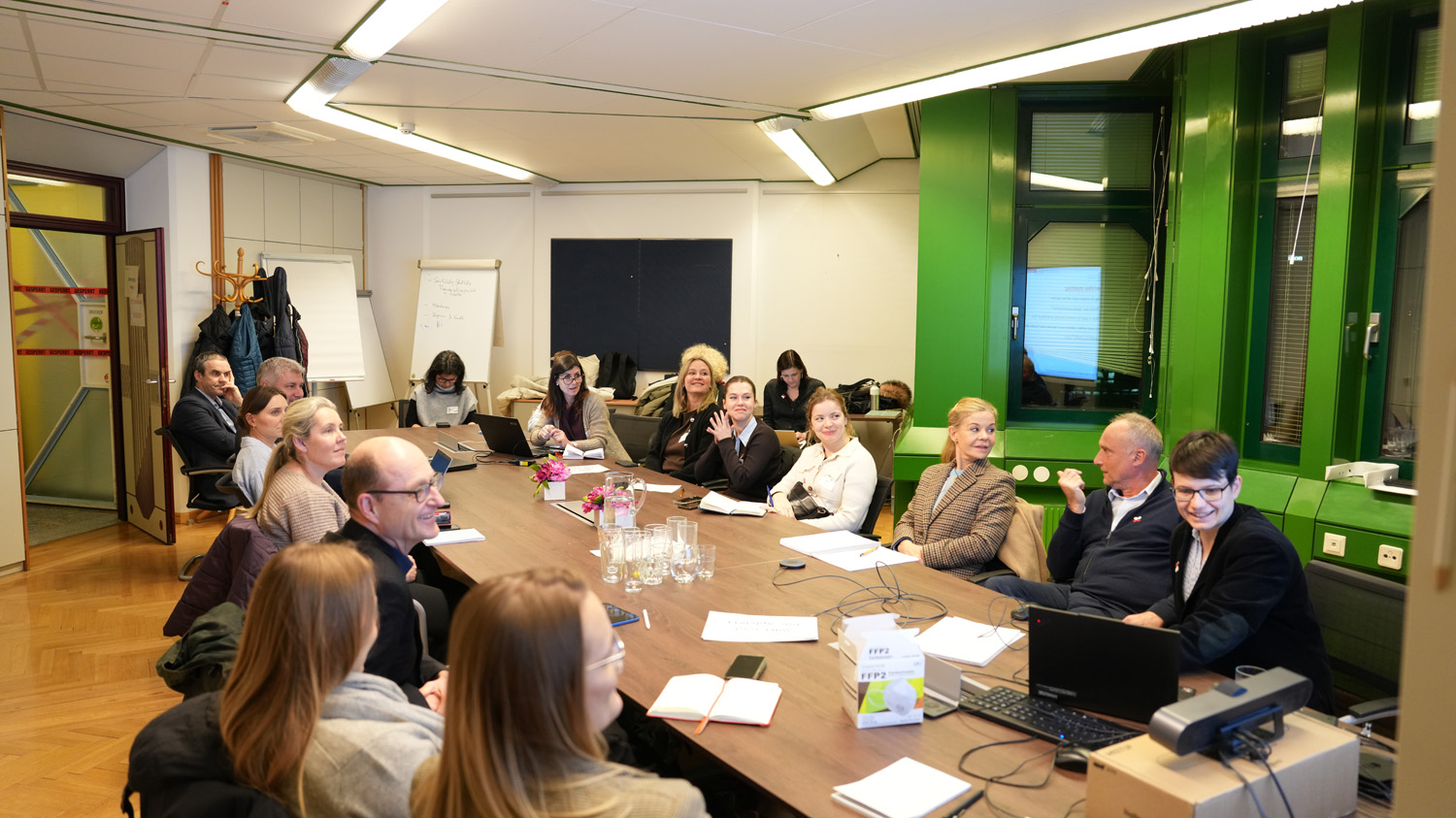
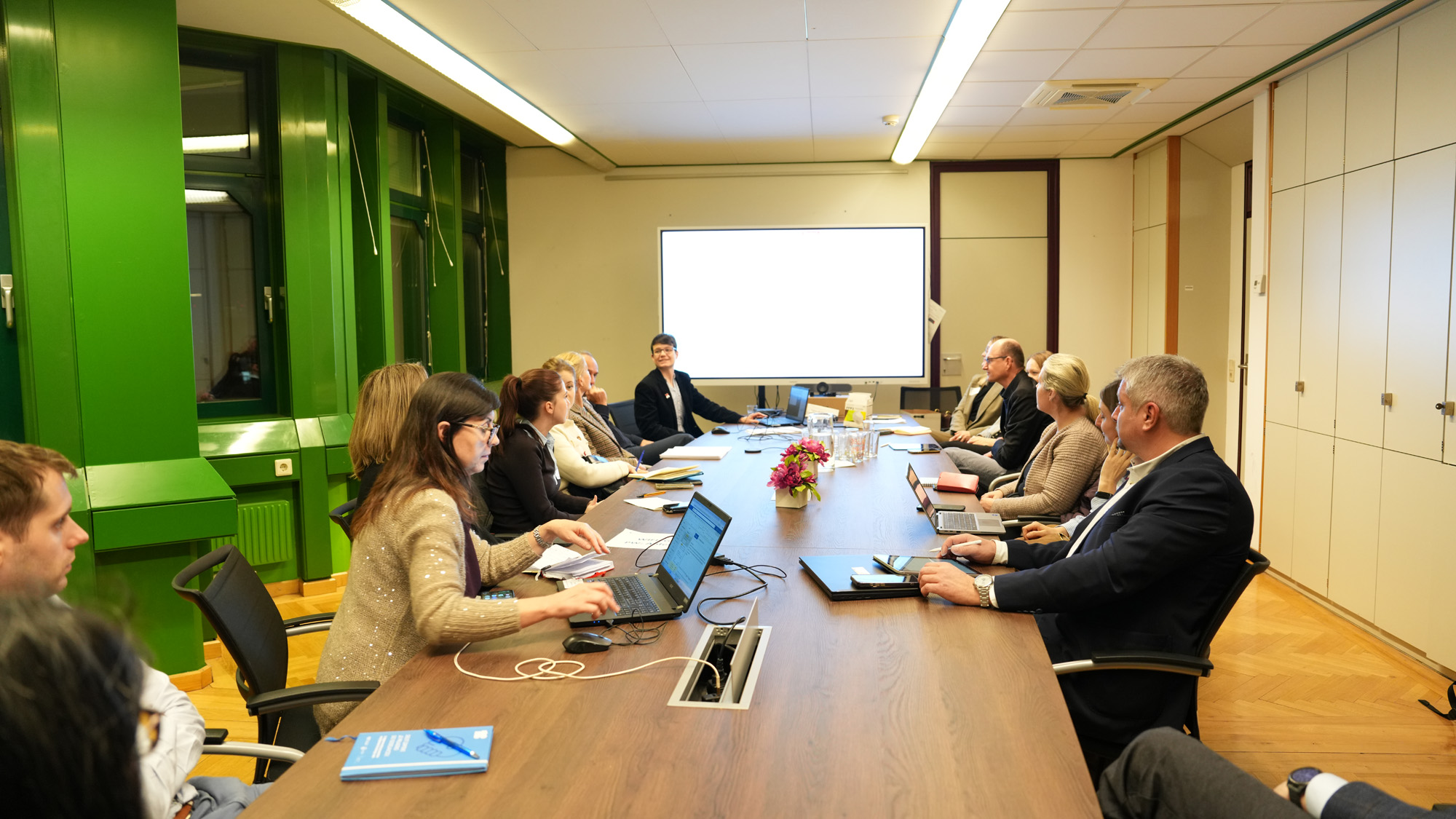
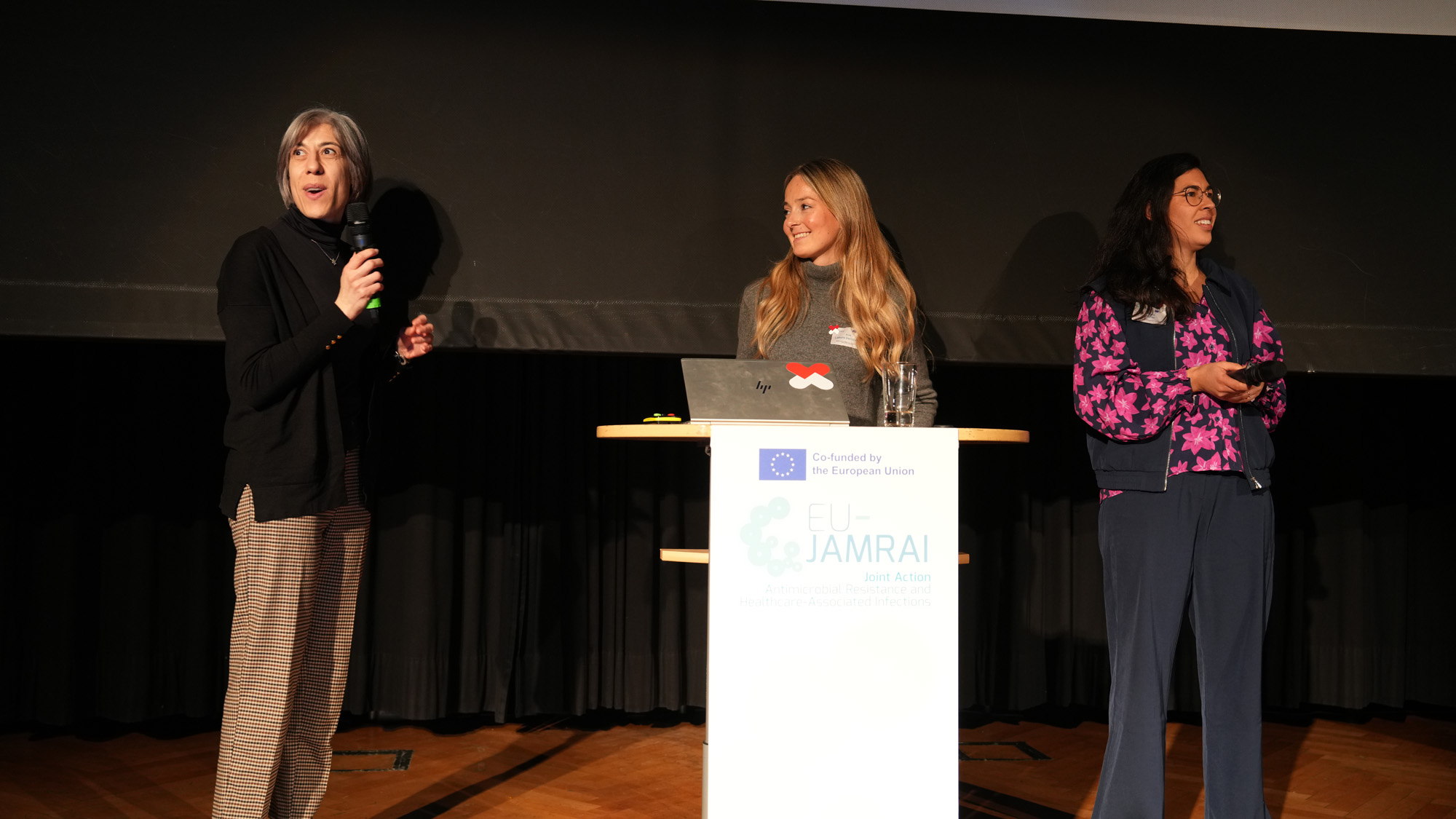
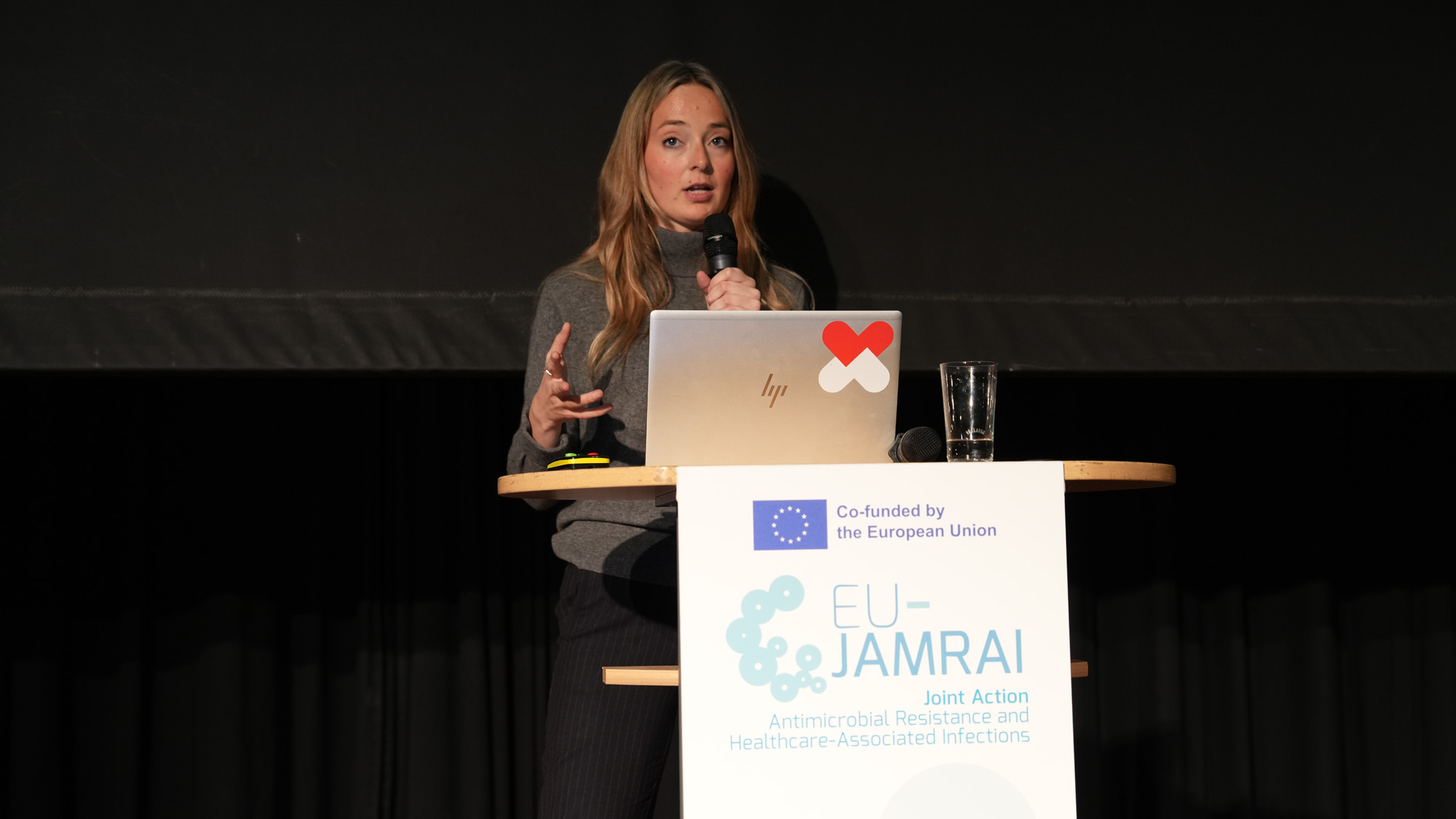
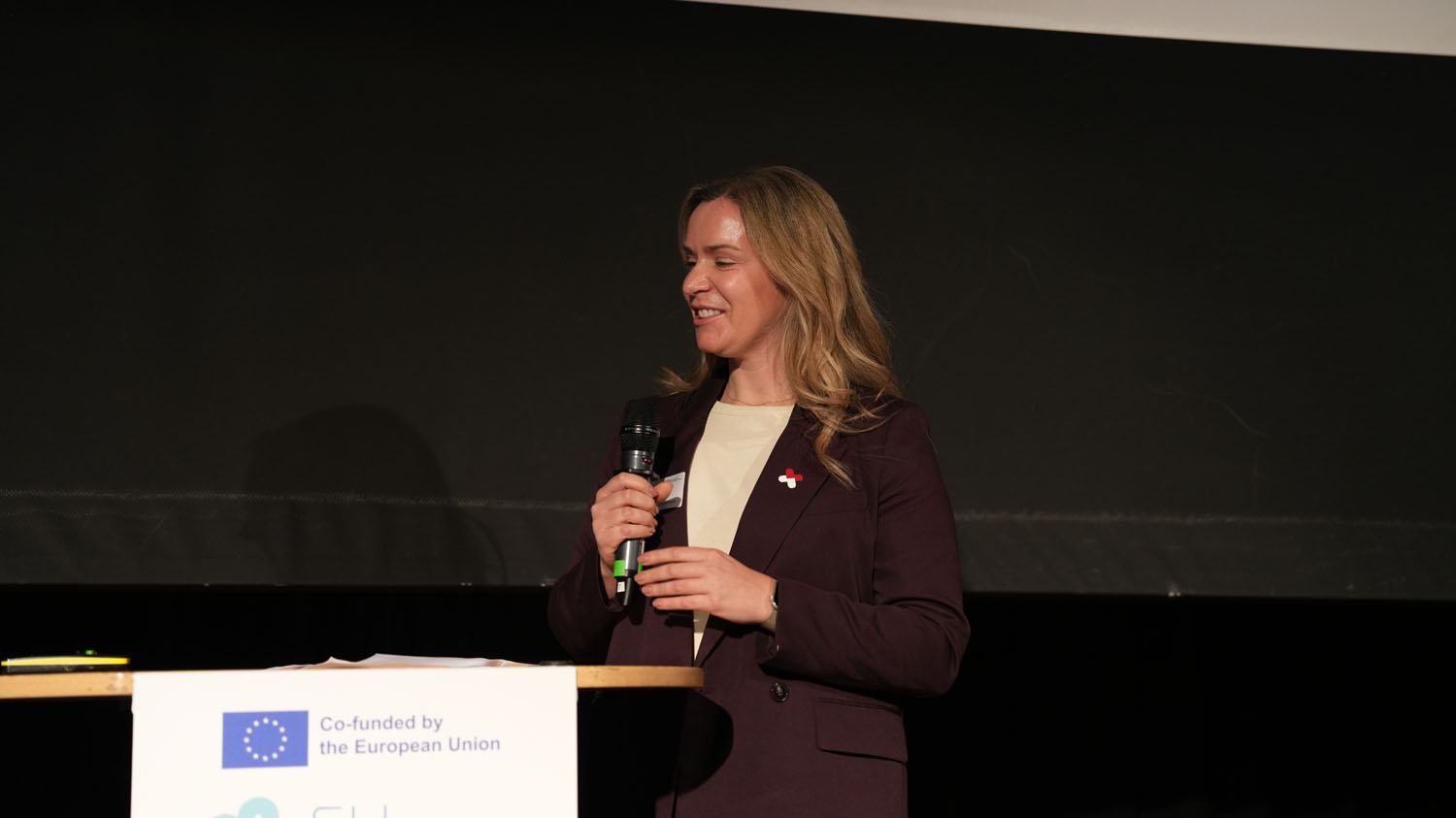
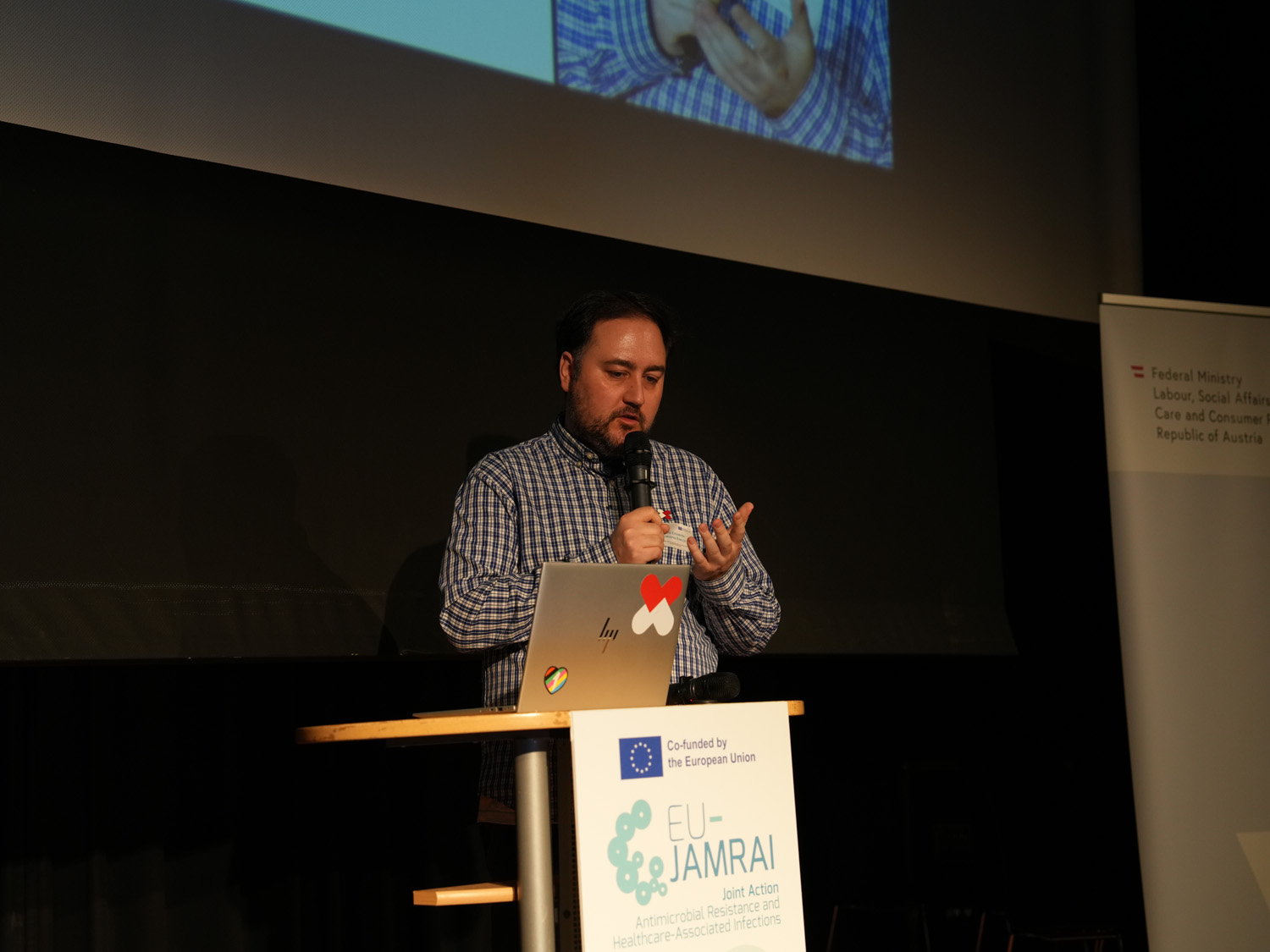
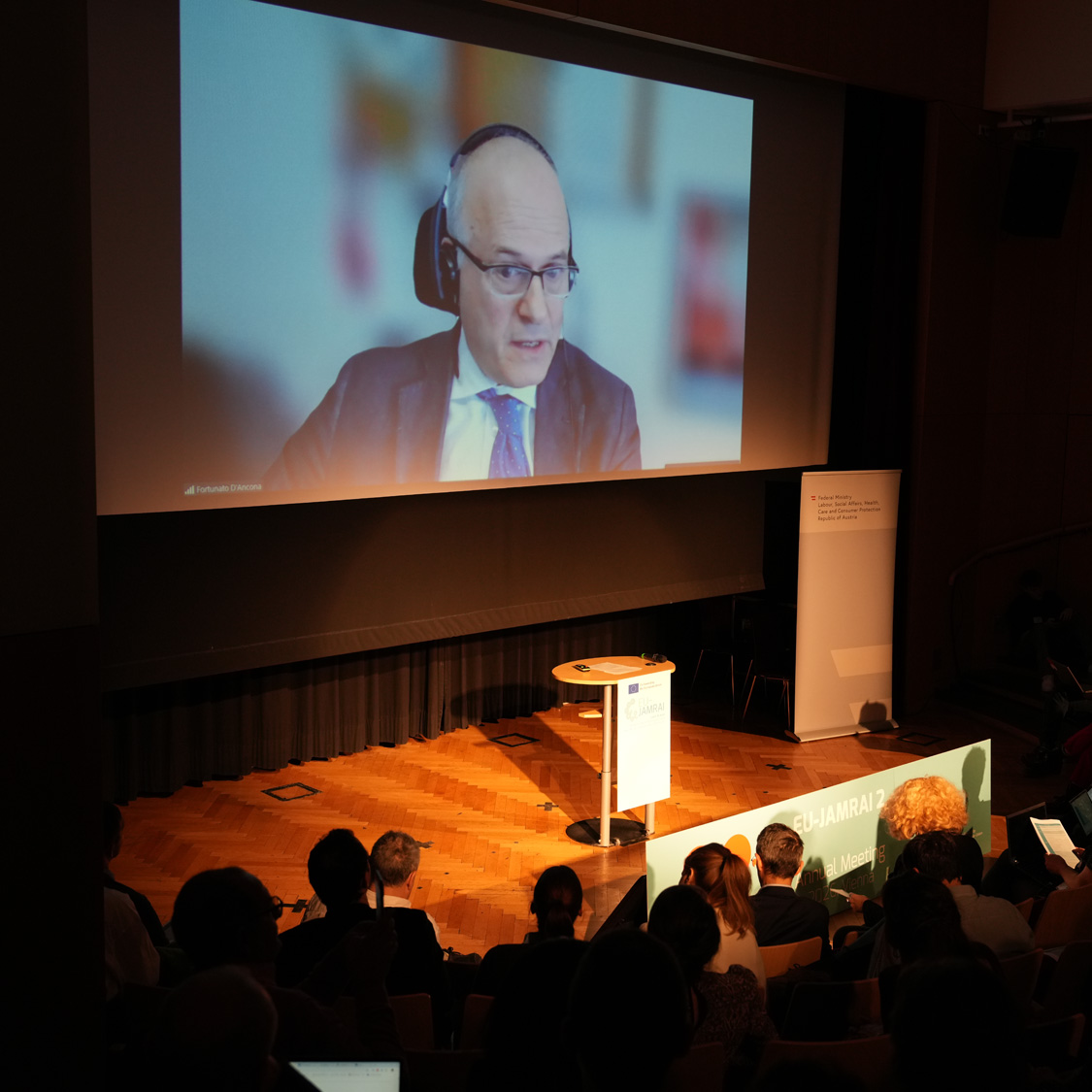
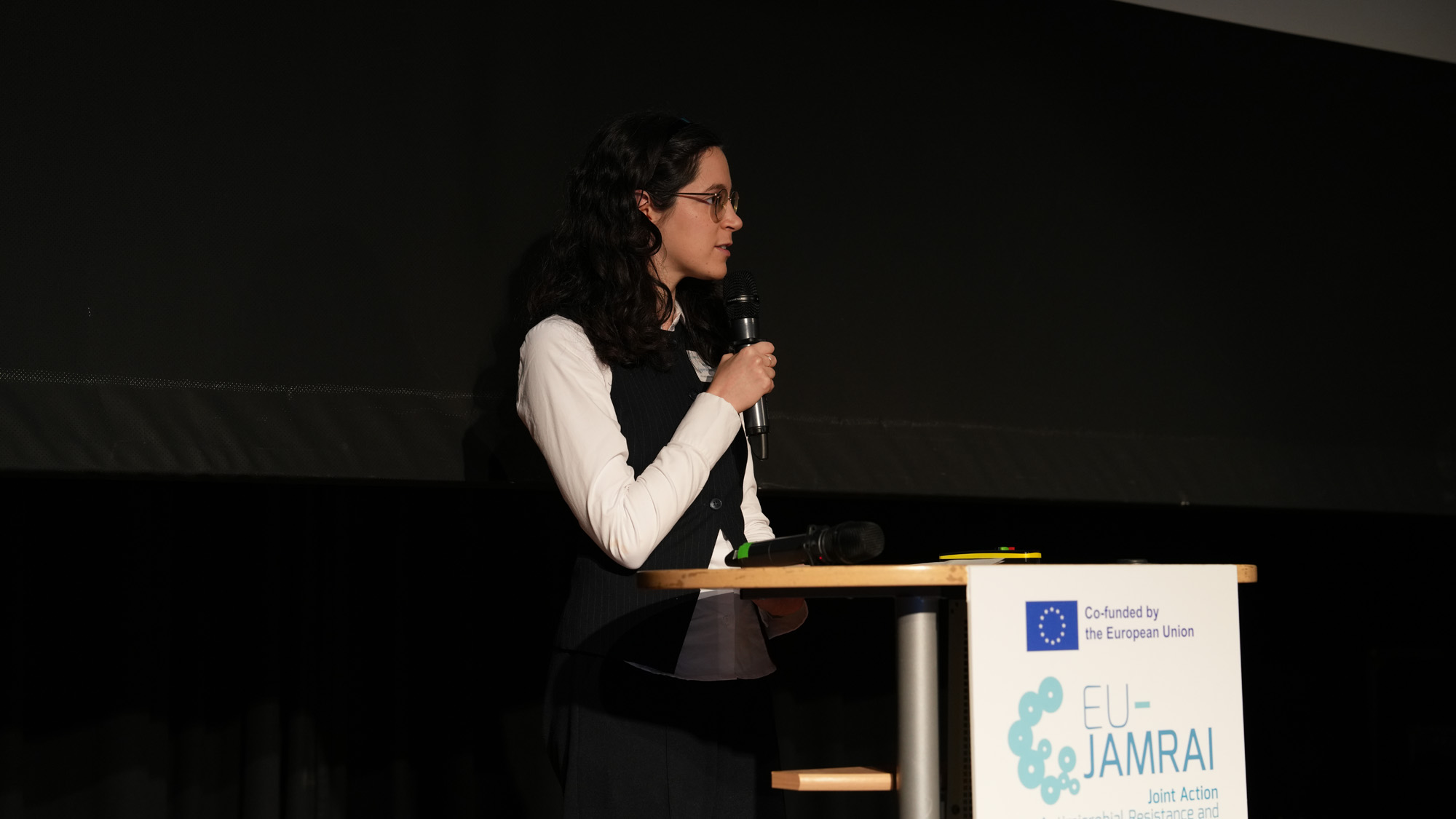
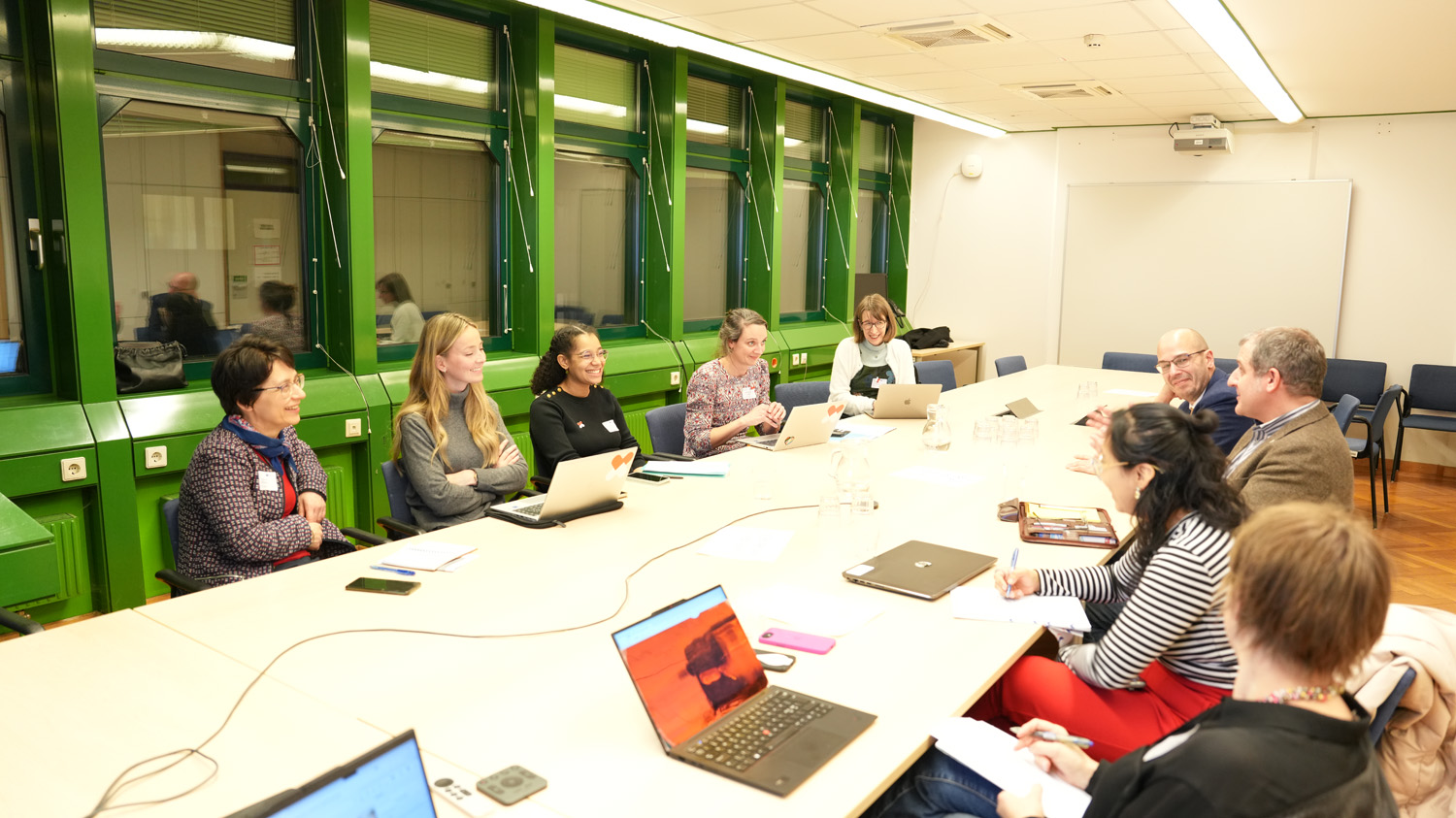
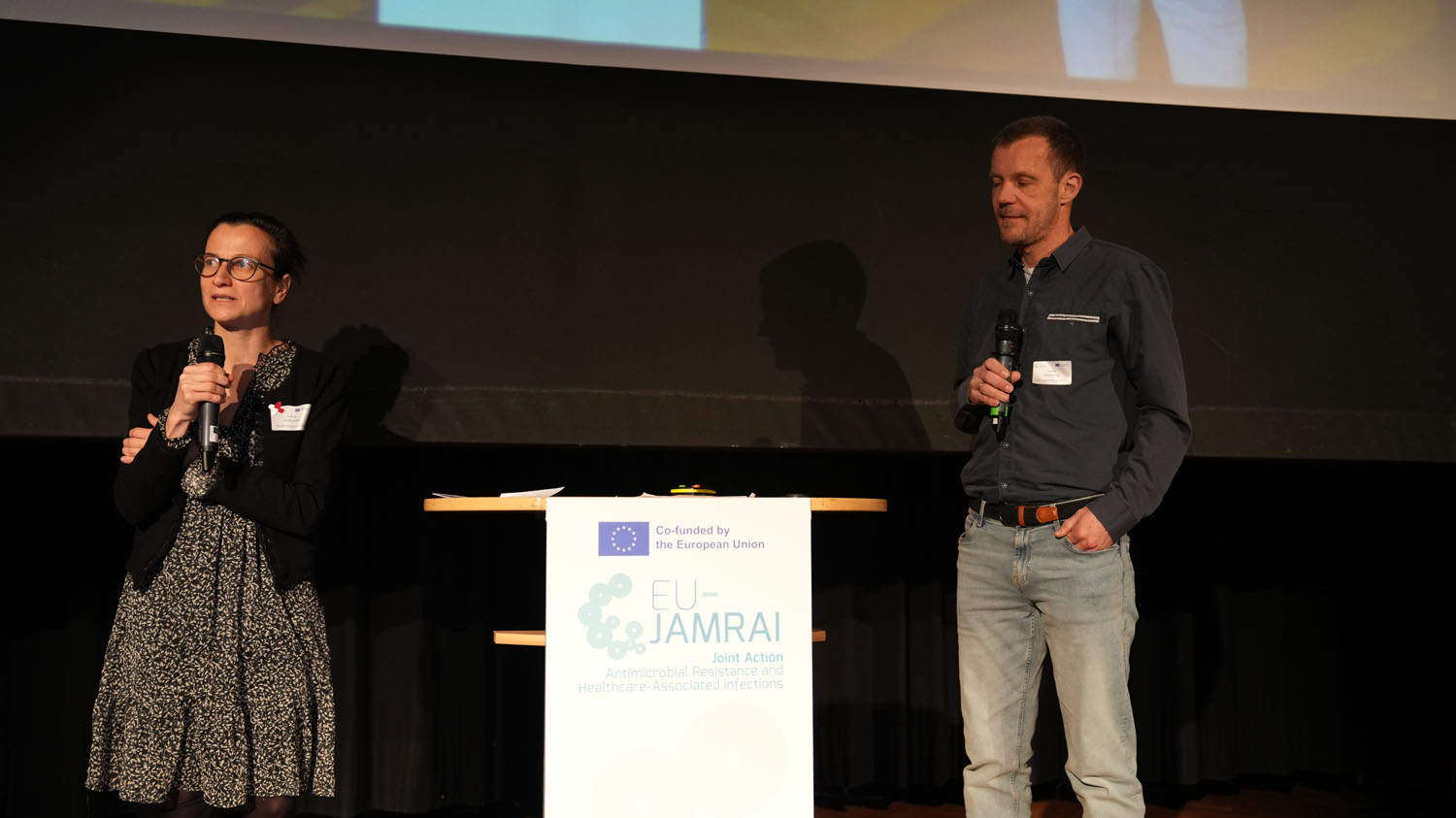
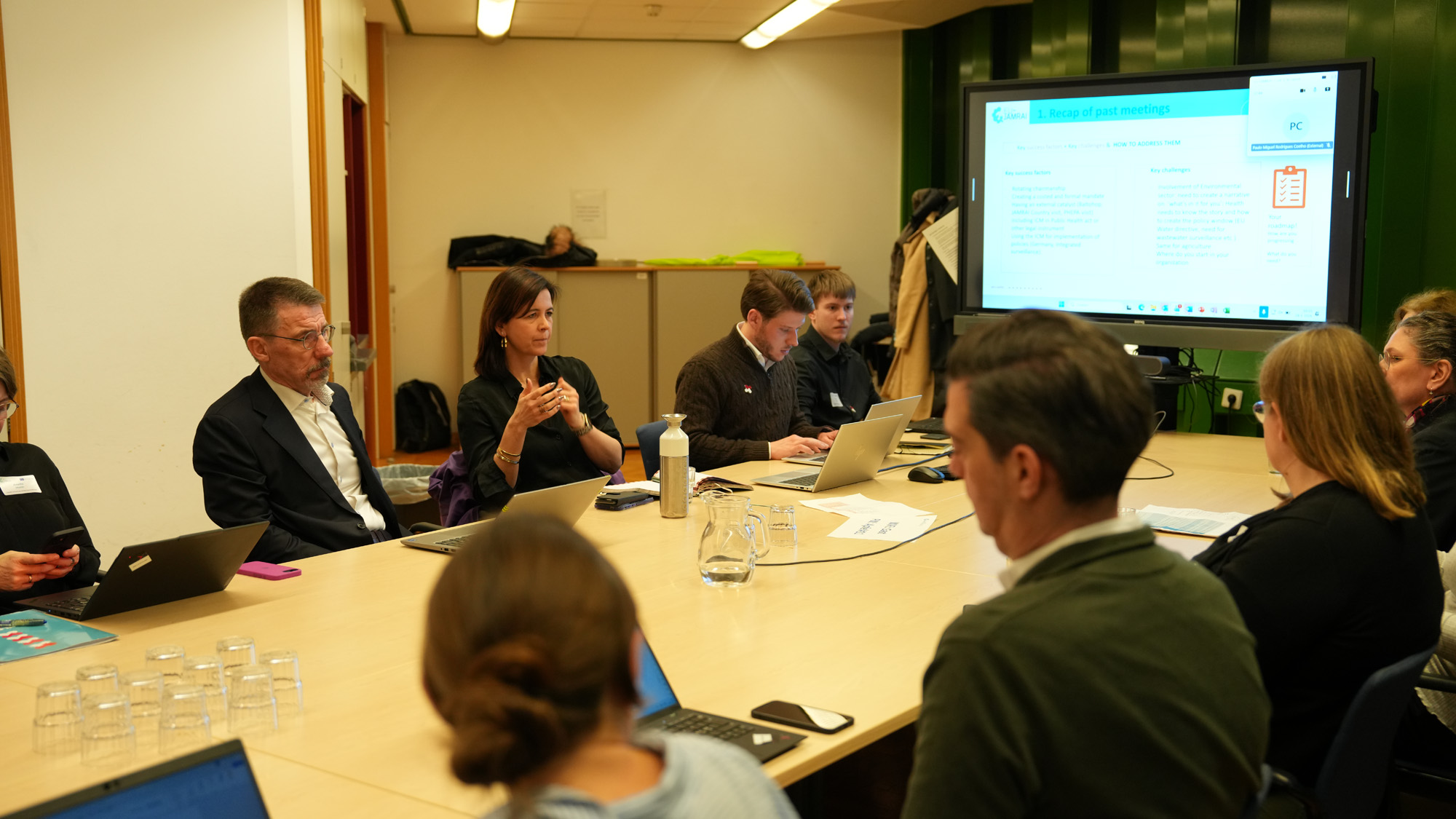
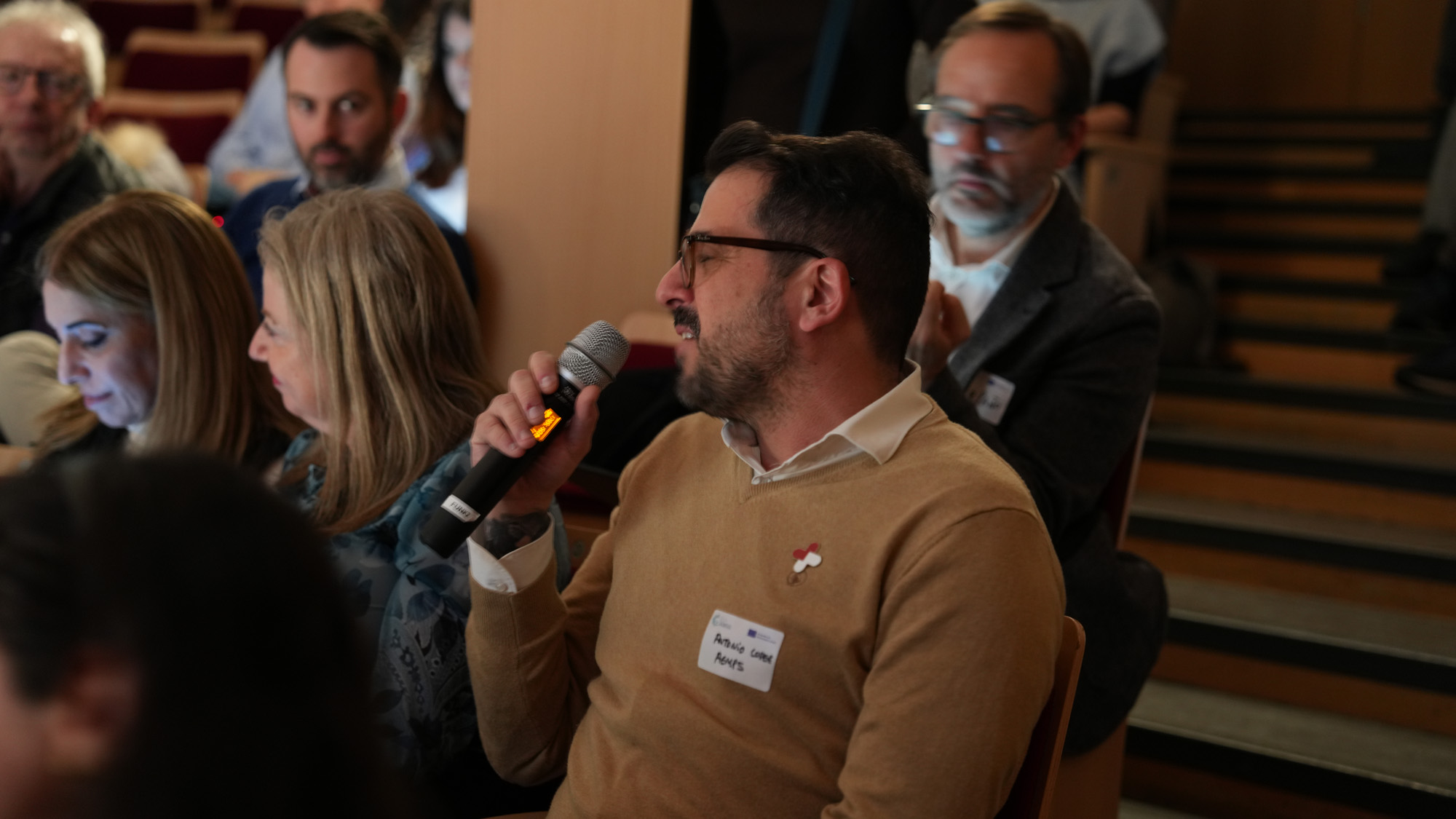
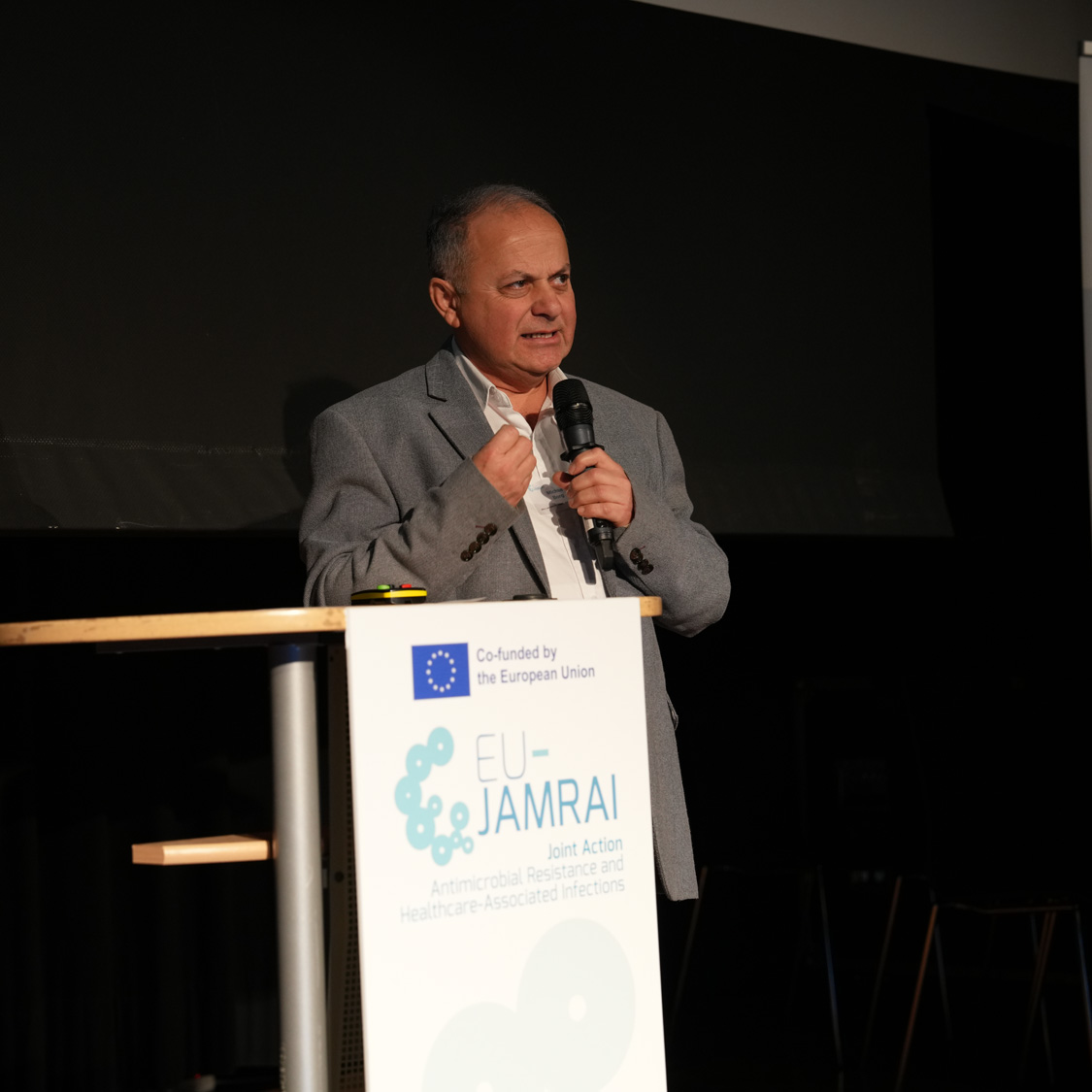
The Austrian Federal Ministry of Labour, Social Affairs, Health, Care and Consumer Protection (BMASGPK) and the National Public Health Institute (GÖG) hosted the European Commission, policymakers, and scientific experts in Vienna (Austria) on 28–30 January 2026 for the second Annual Meeting of the Joint Action on AMR and Healthcare-Associated Infections (EU-JAMRAI 2). The event served as a meeting point between partners and stakeholders and showed the efforts of the different working areas to implement concrete measures to reduce antimicrobial resistance (AMR).
AMR is a growing threat responsible of over 35,000 deaths annually in the EU/EEA alone and 1.3 million worldwide, while also causing losses in animal production equivalent to the food needs of 2 billion people.
With a total budget of 62.5 million euros, of which 50 million are funded by the European Commission through the EU4Health programme, EU-JAMRAI 2 was launched in February 2024, with a total duration of four years. Coordinated by Inserm (France), it brings together 128 partners from 30 countries, including EU Member States, Iceland, Norway, and Ukraine. Recognising the urgency of a coordinated response, this collaborative effort is supported by European agencies, international organisations, professional societies, civil society and patients’ representatives. Together, they are working to reduce antimicrobial resistance through a One Health approach, which acknowledges the deep interconnection between human health, animal health, and the environment.
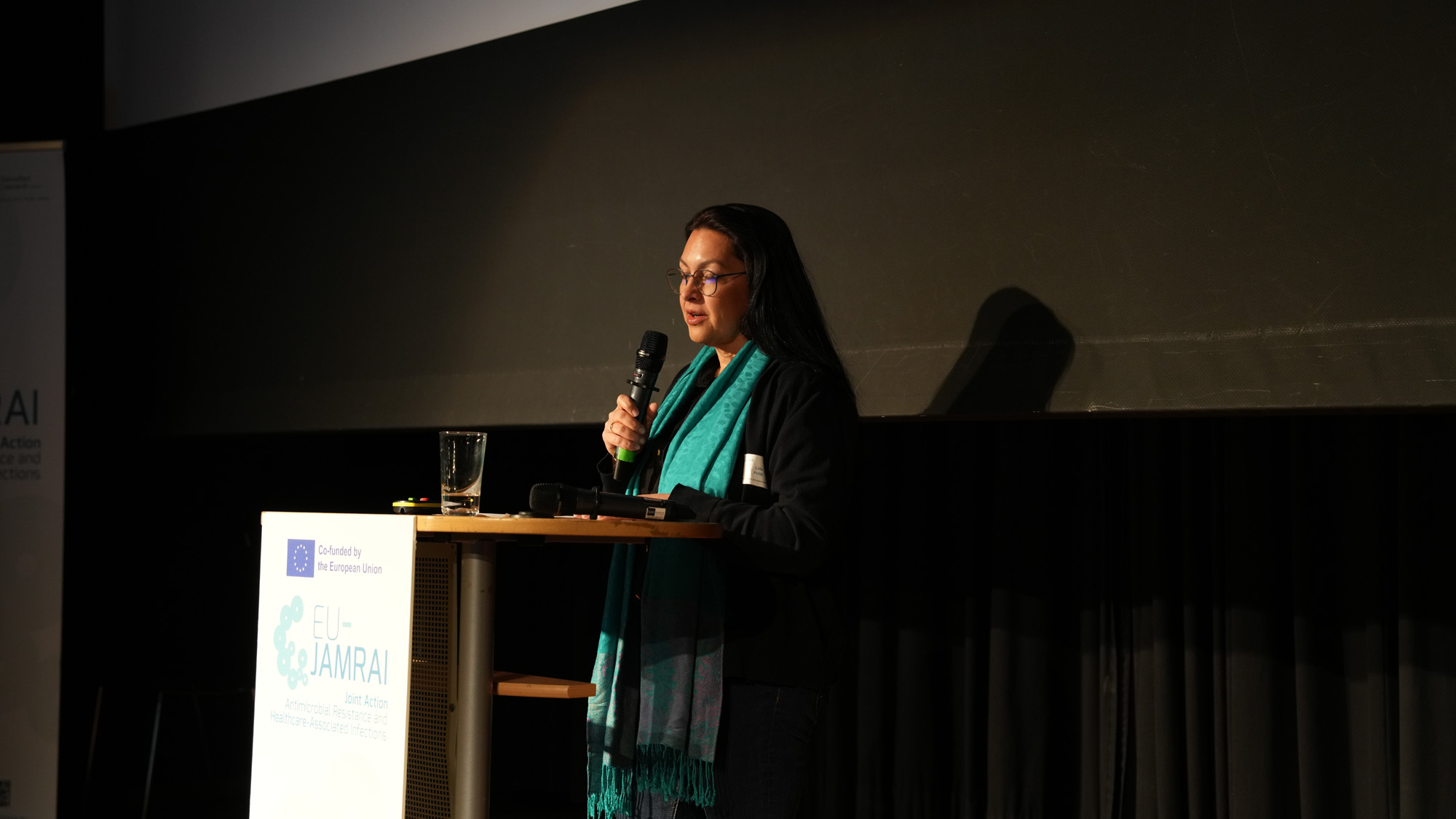
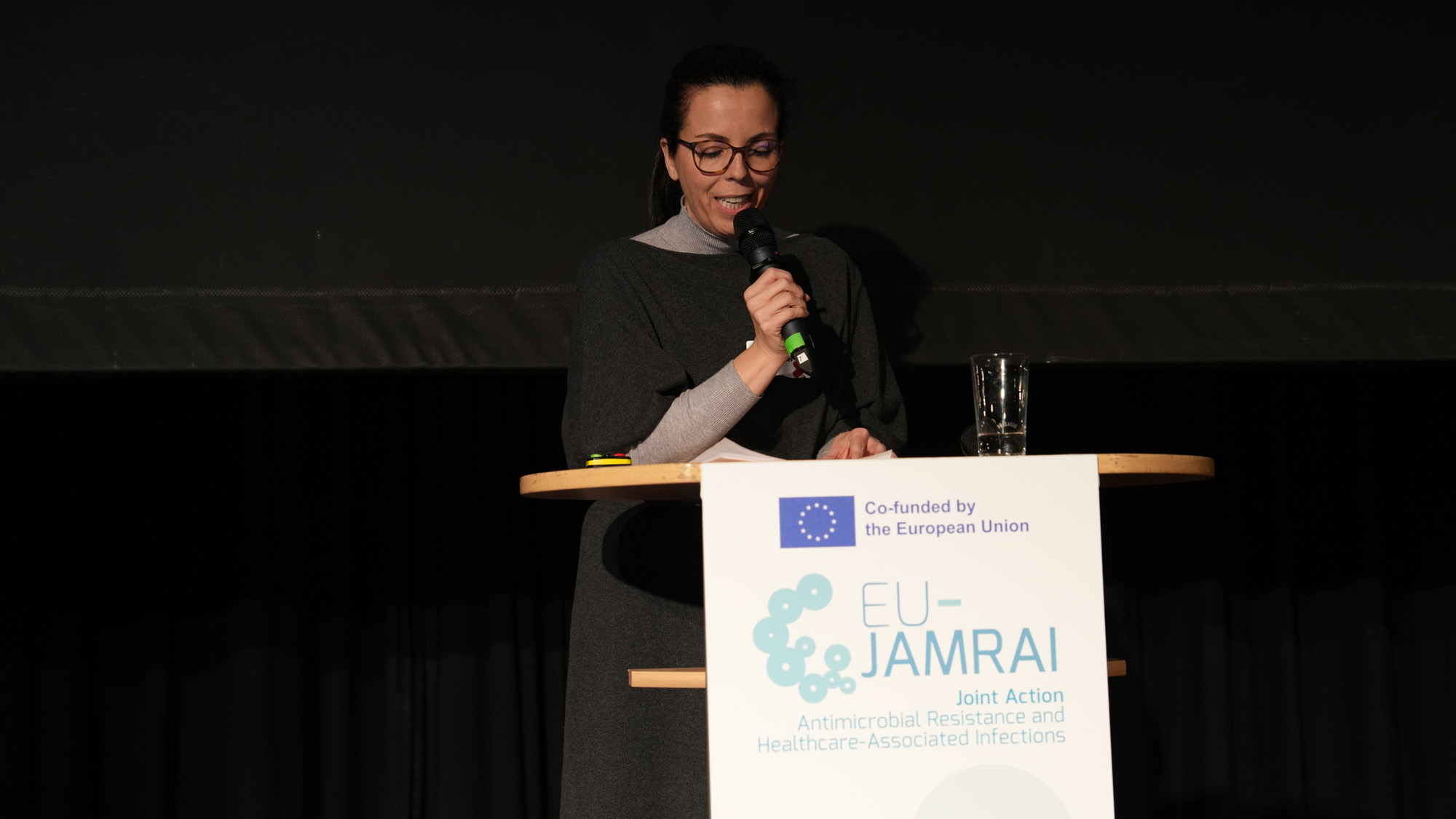
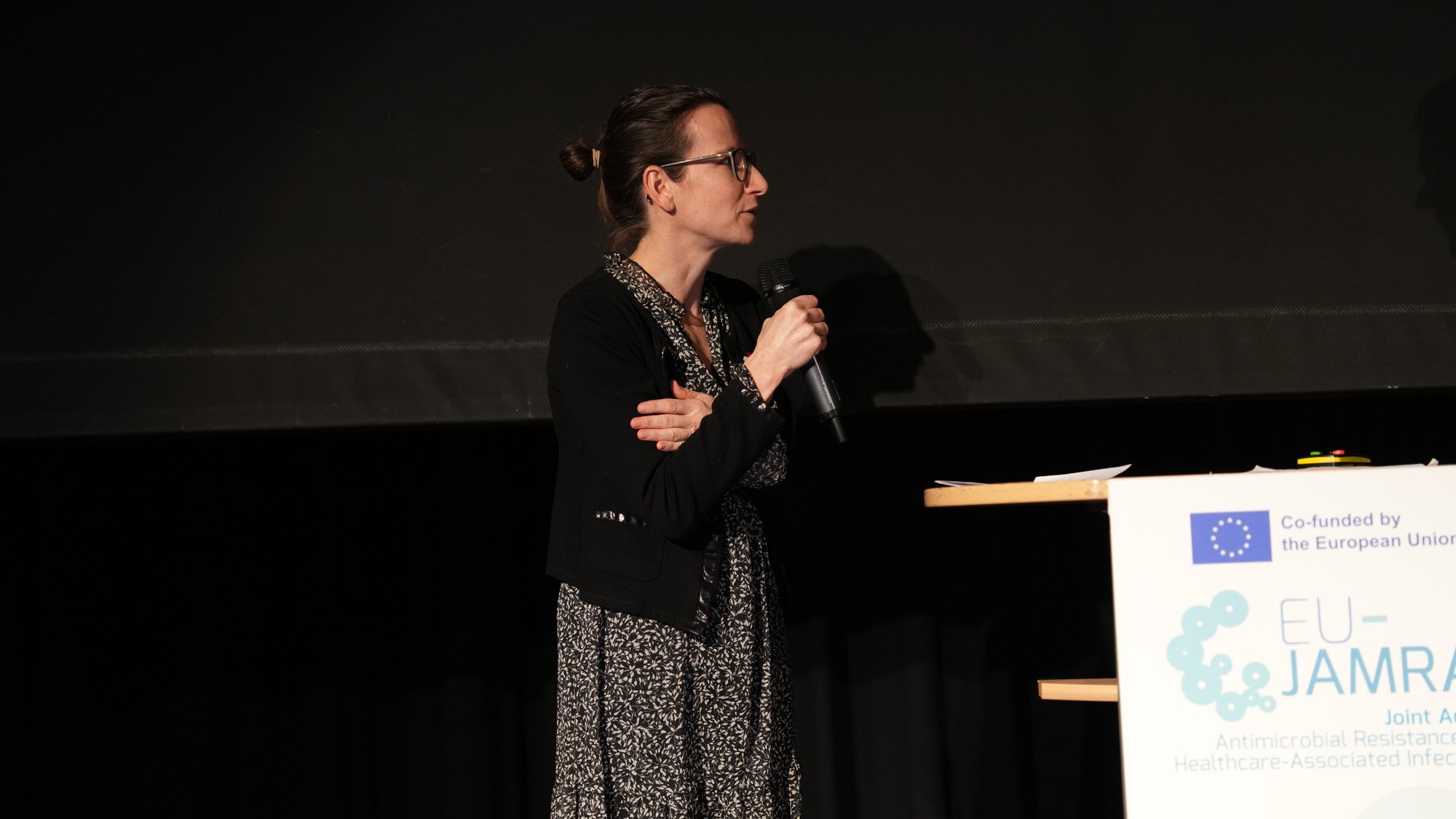
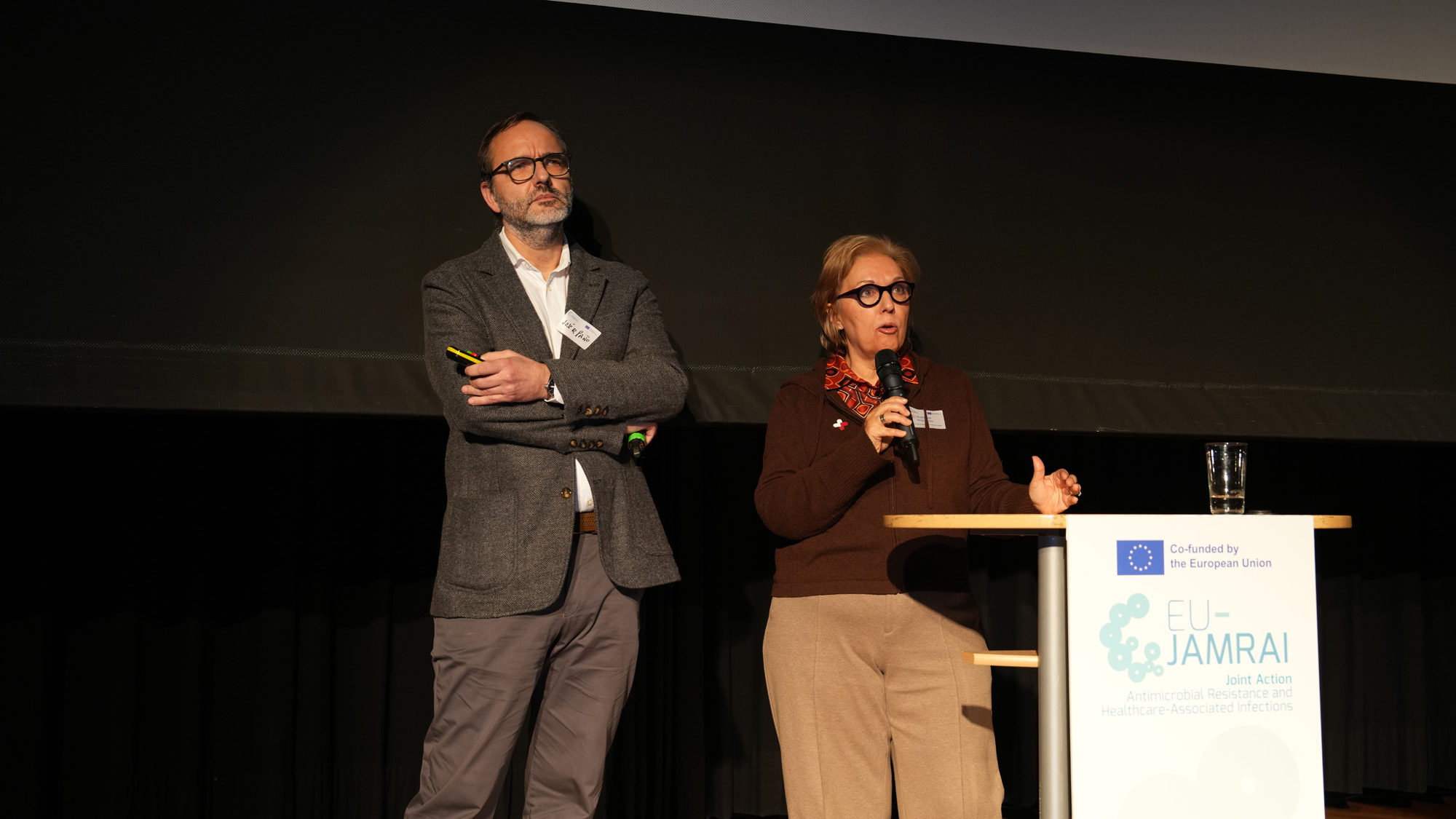
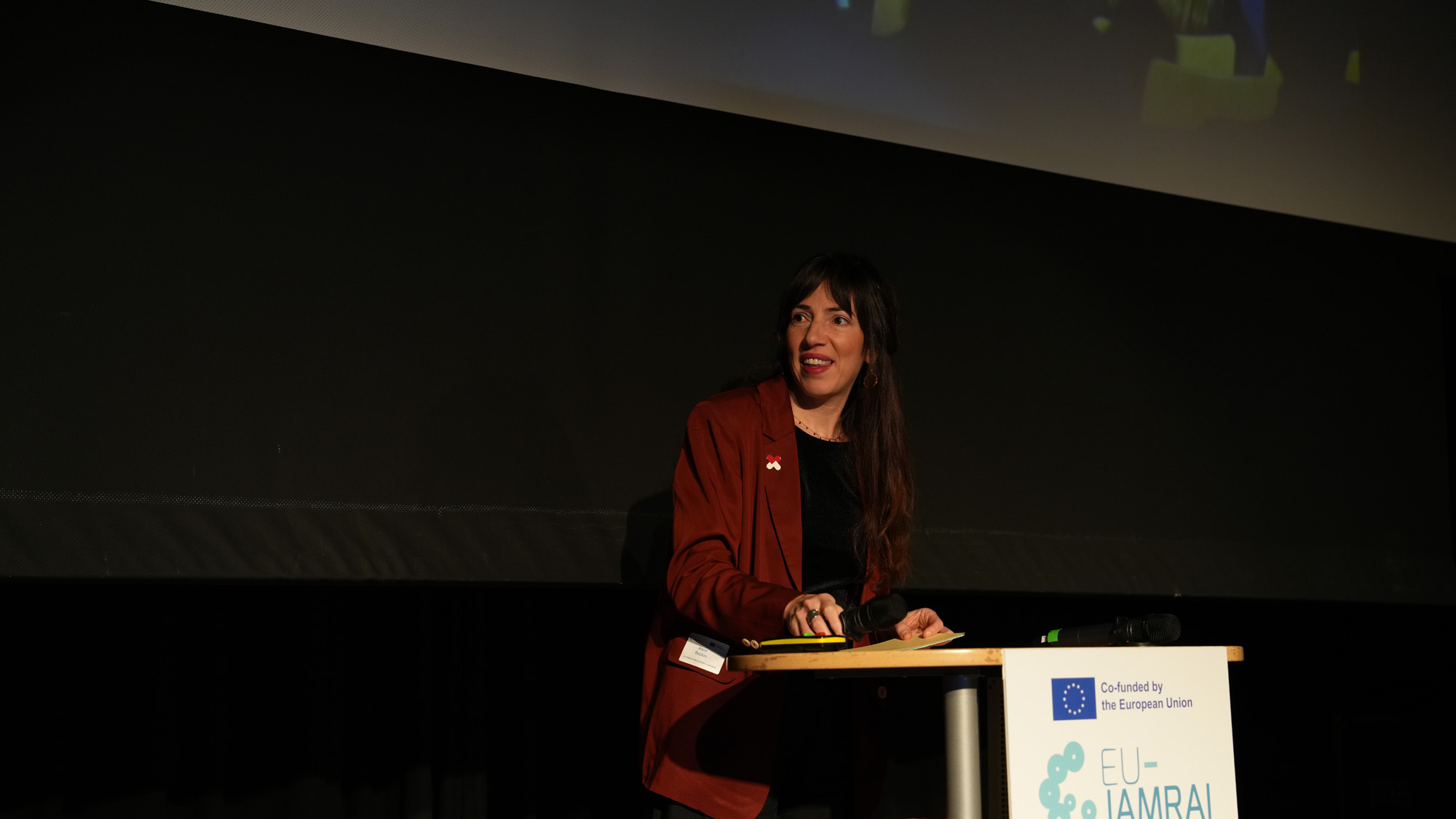
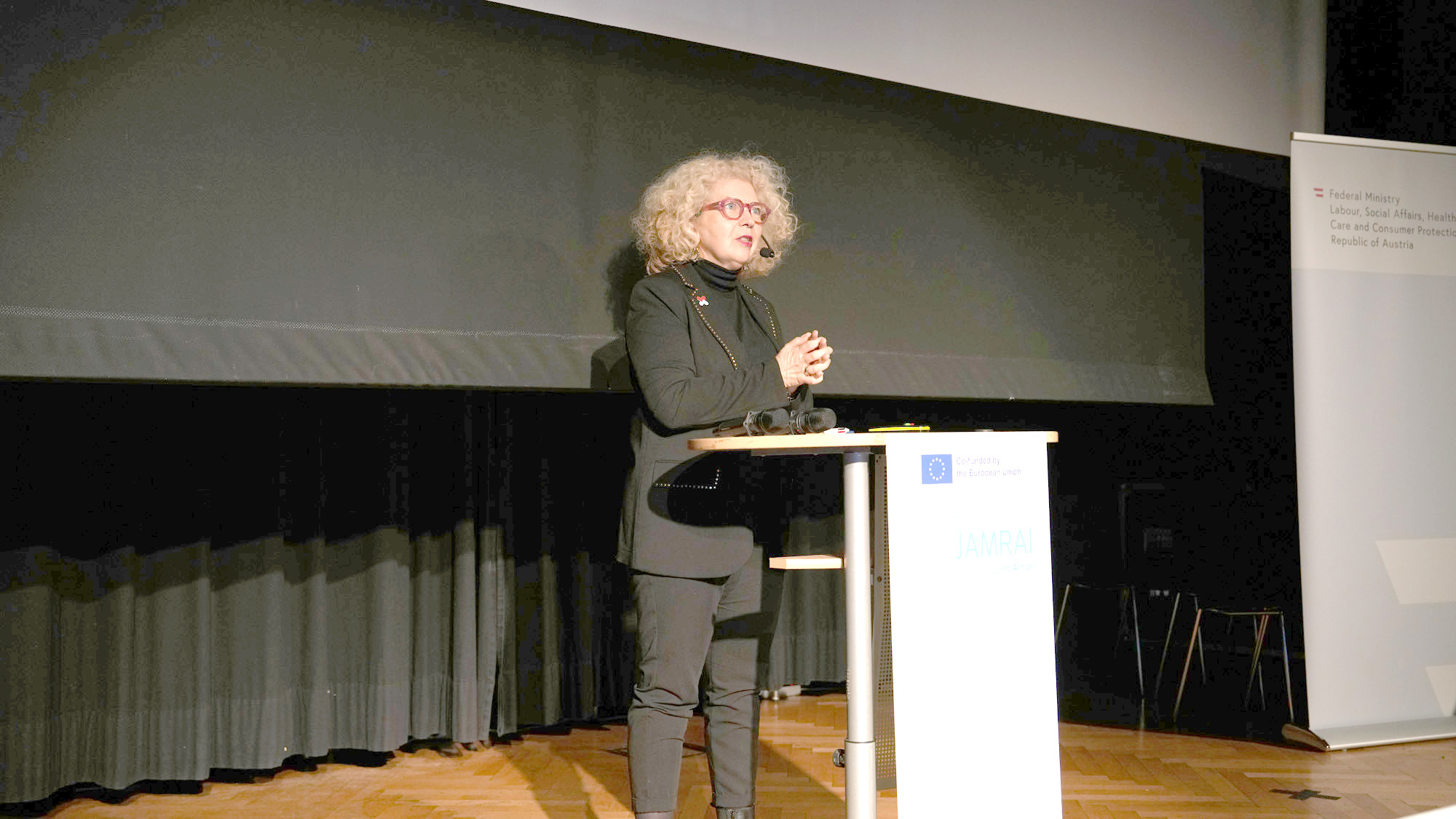
“At this midpoint of our journey, we can already see how collective action across disciplines and borders is transforming AMR” stated EU-JAMRAI 2 coordinator Prof. Marie-Cécile Ploy when she welcomed the annual meeting participants.
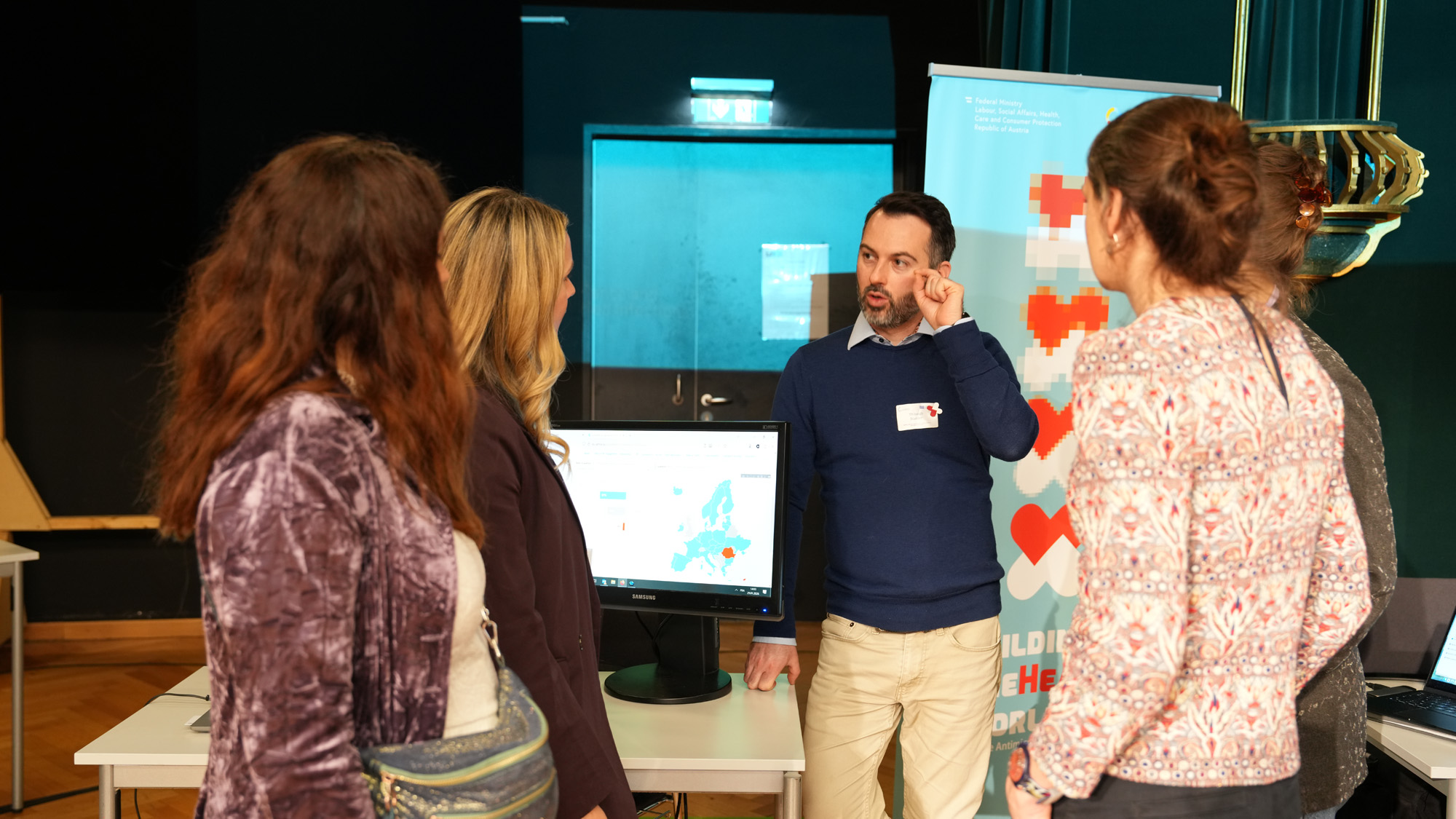
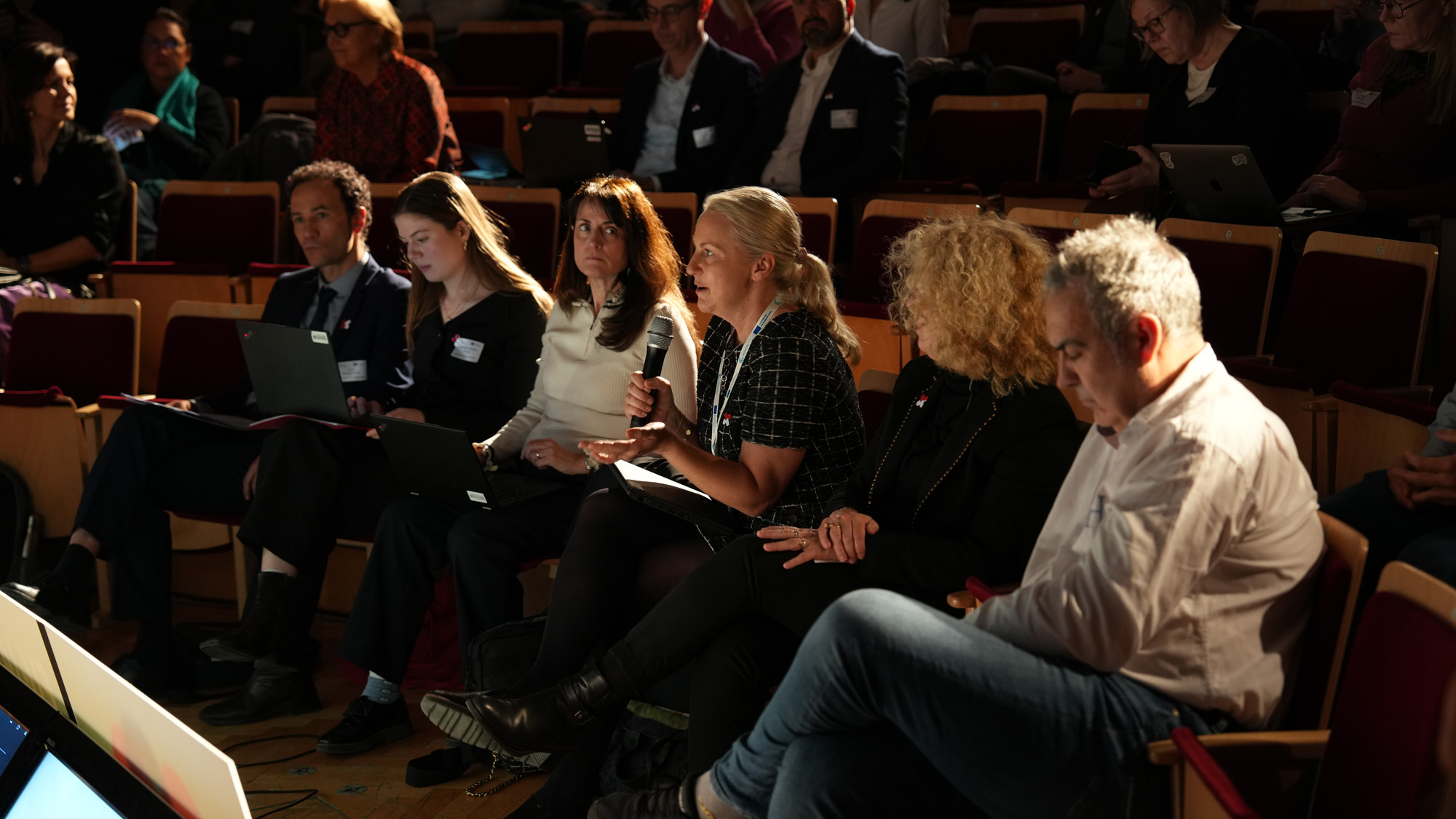
The Annual Meeting set off exposing its clear goal of contributing to accelerate and translate EU-JAMRAI 2 priorities into a real change through impactful and sustainable AMR policies that reach the different National Action Plans. Along the several sessions, the partners also presented the work developed in each area. For example, the analysis of barriers and facilitators to medicines and vaccines; or the efforts of having harmonised and accessible data from the national surveillance systems, to generate trust, transparency and taking data-driven decisions.
The exchange of best practices in Infection Prevention and Control both in animal and human health as well as their impact in the environment, combined with the promotion of the responsible use of medicines, stressed the first line of defence to prevent antimicrobial resistance. These enduring interventions are supported by behavioural implementation frameworks, with citizen engagement further enhanced through effective awareness raising campaigns.
EU-JAMRAI success stories: Concrete impact of the project in countries
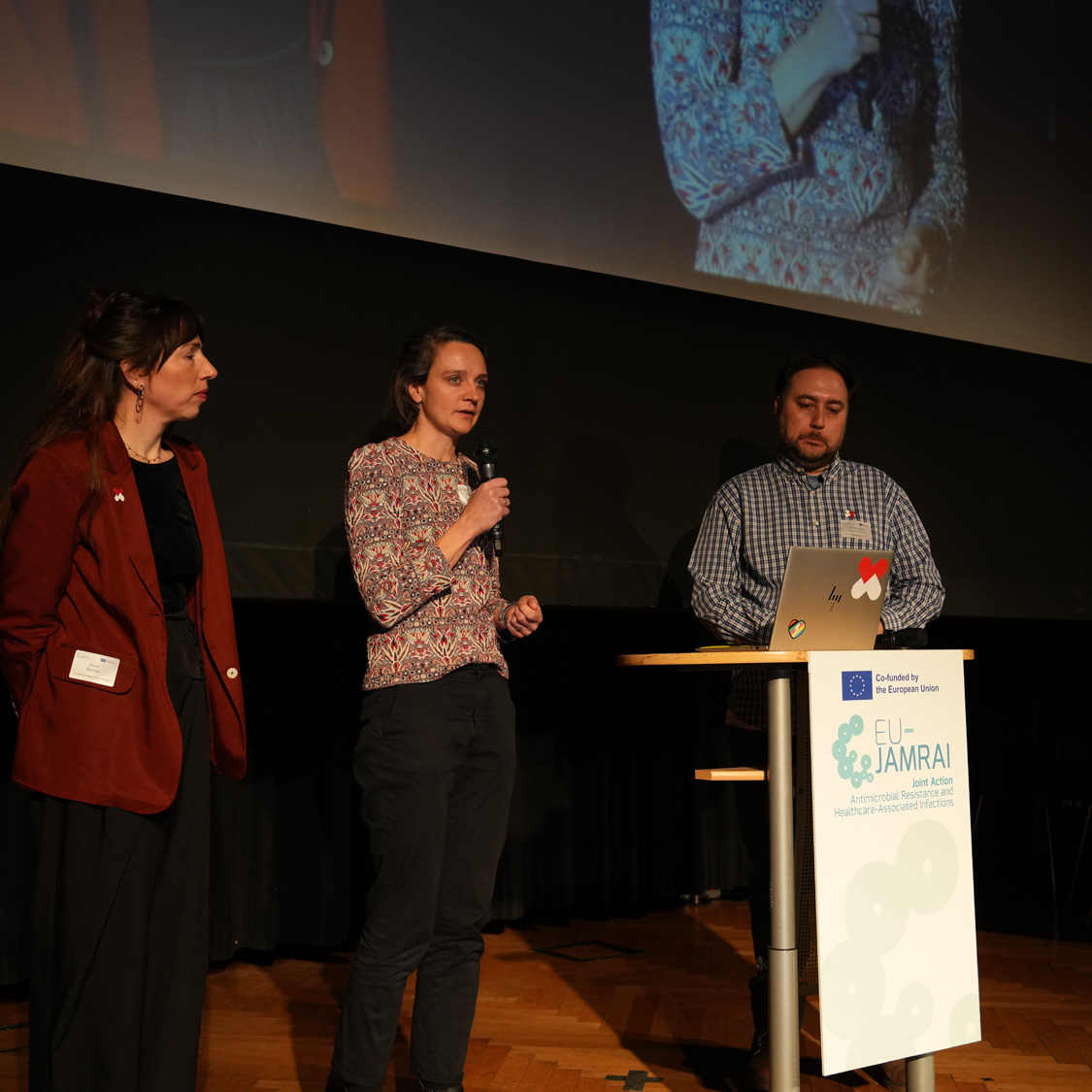
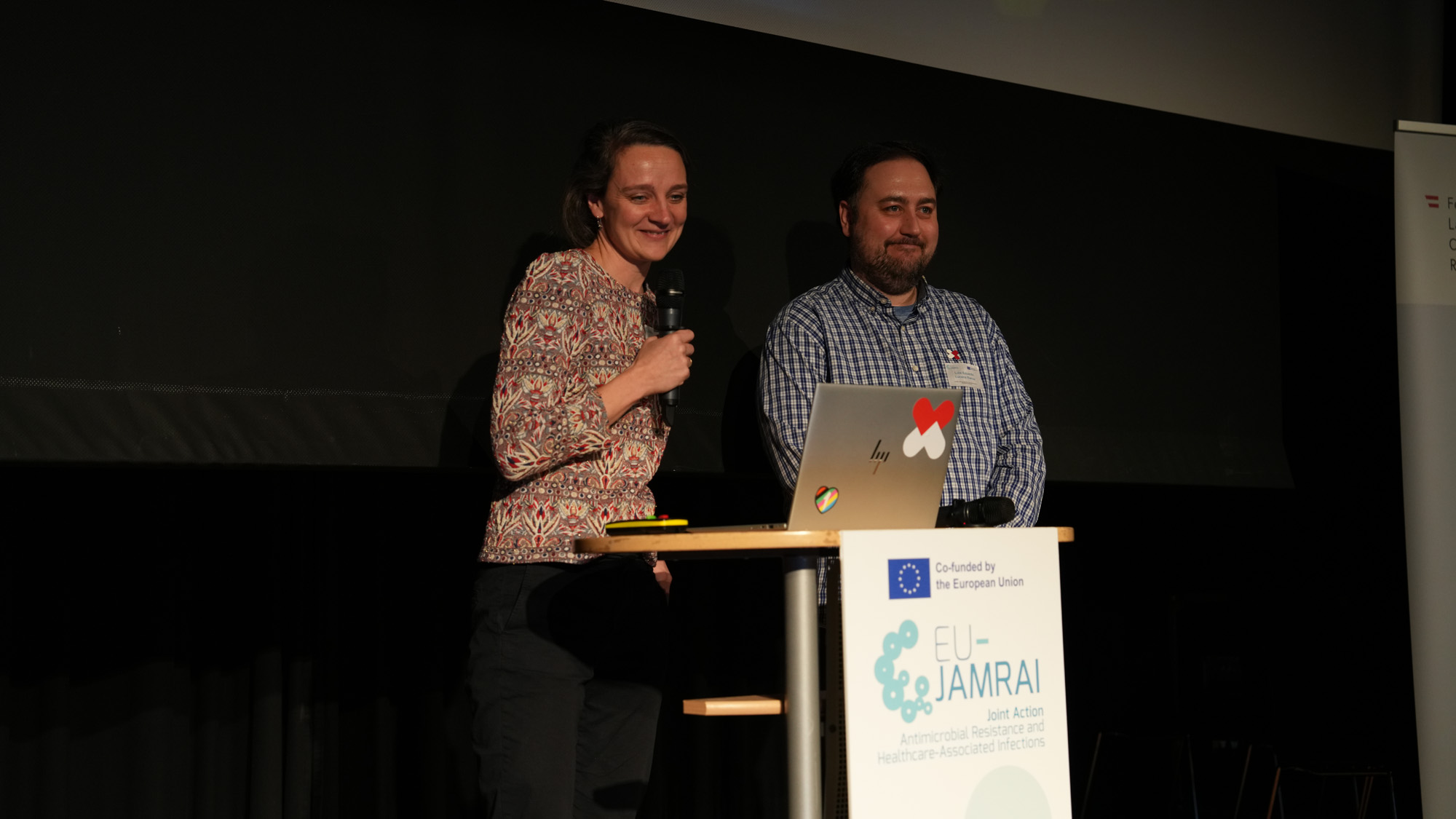
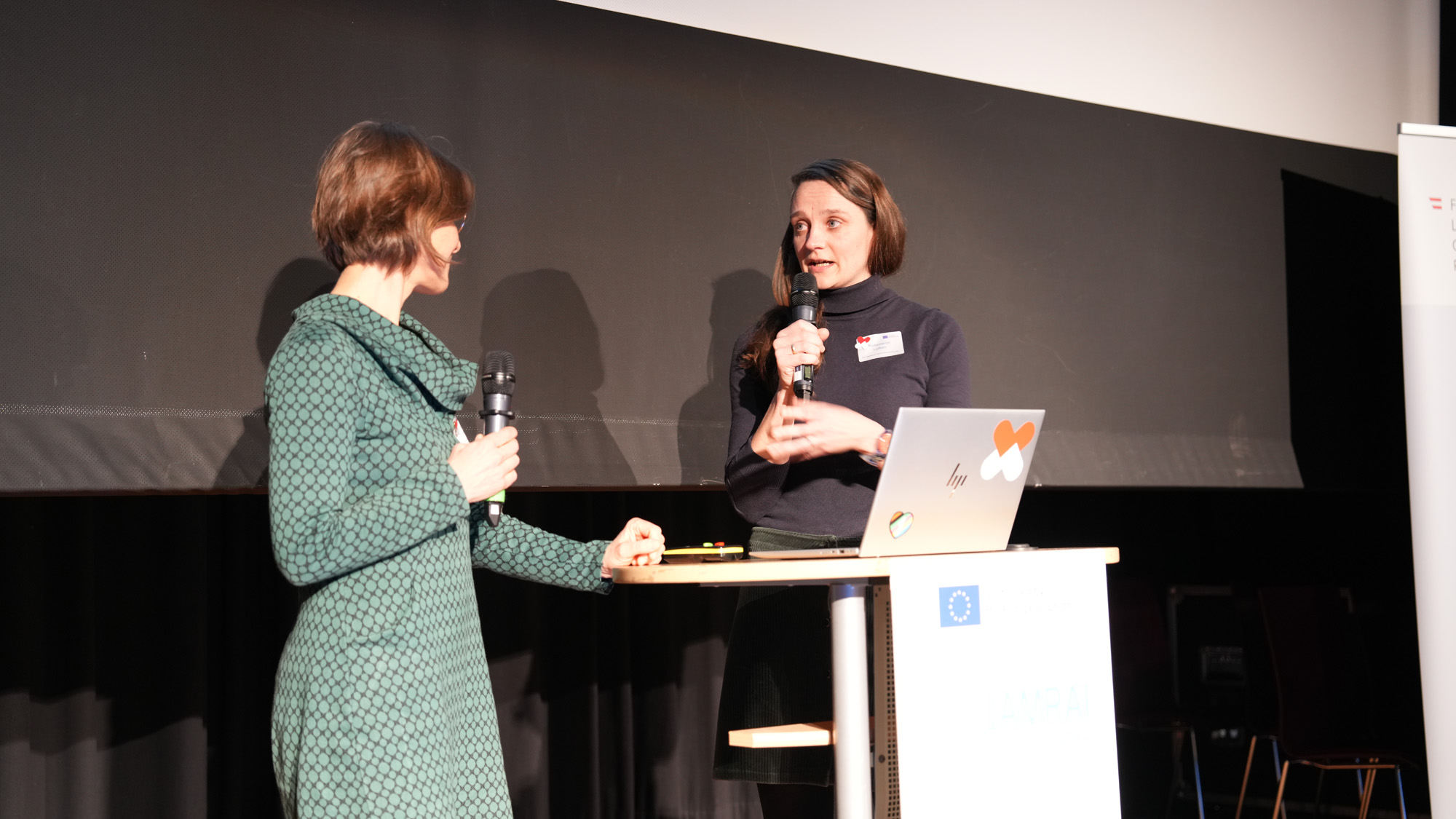
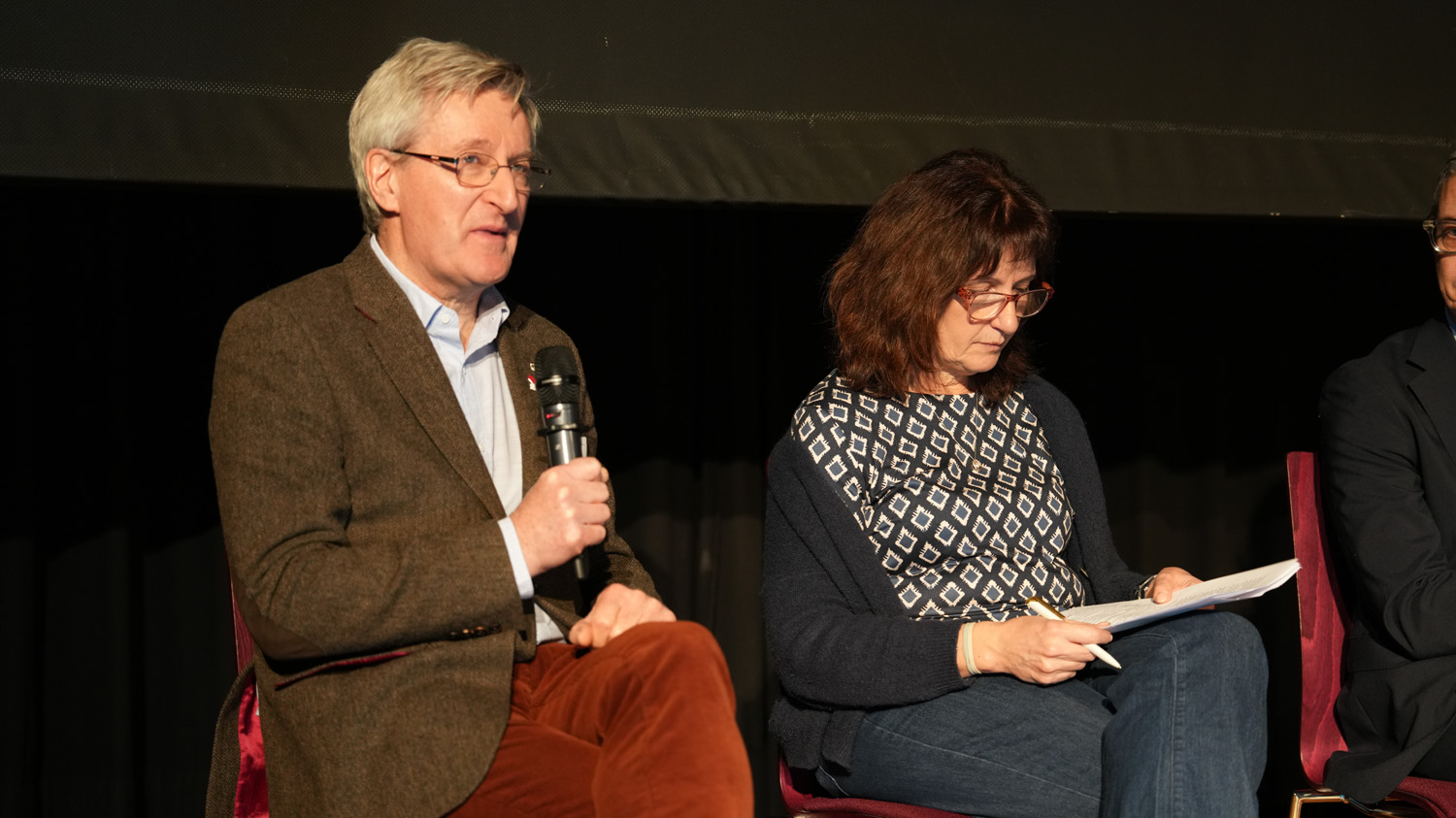
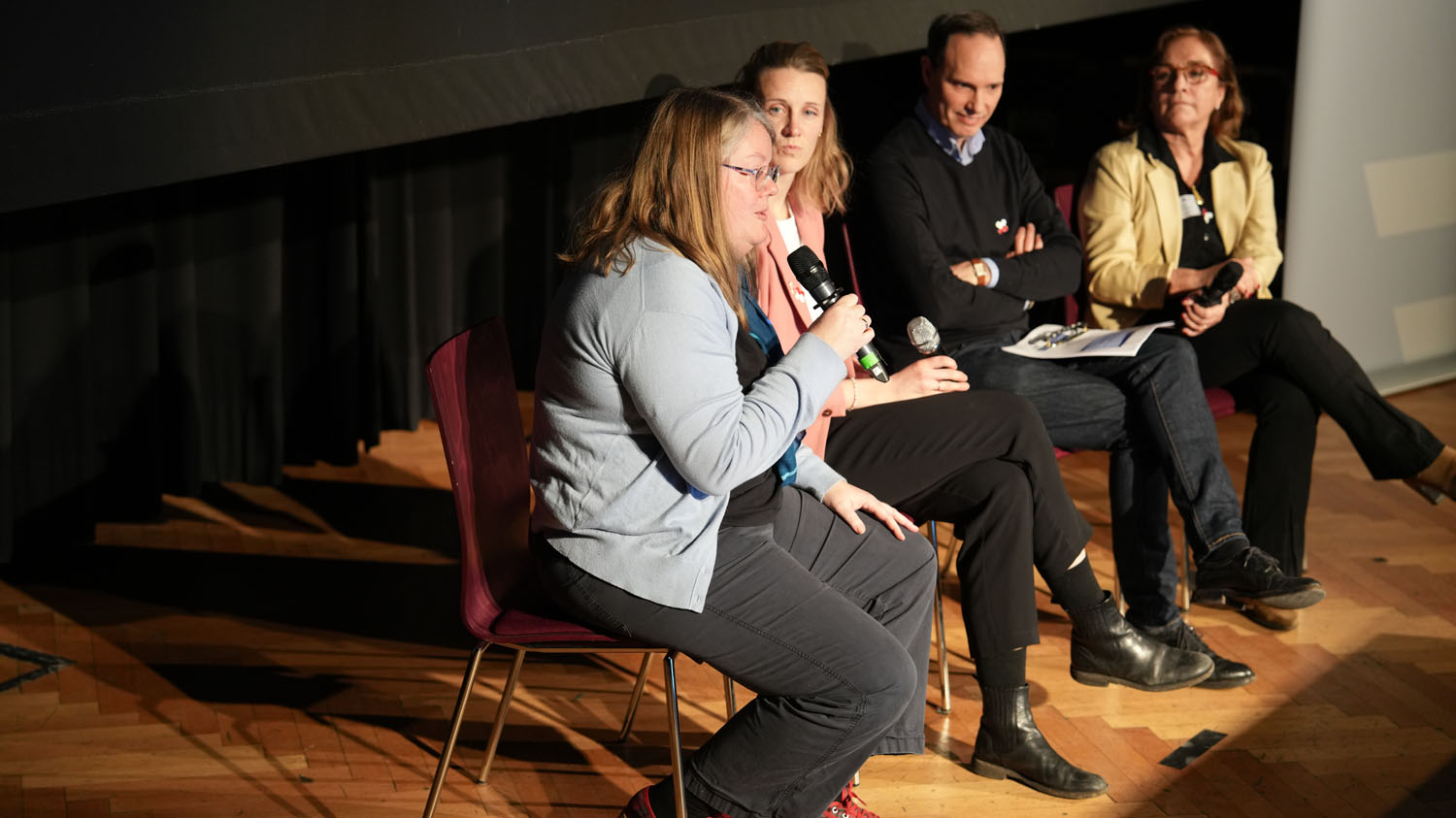
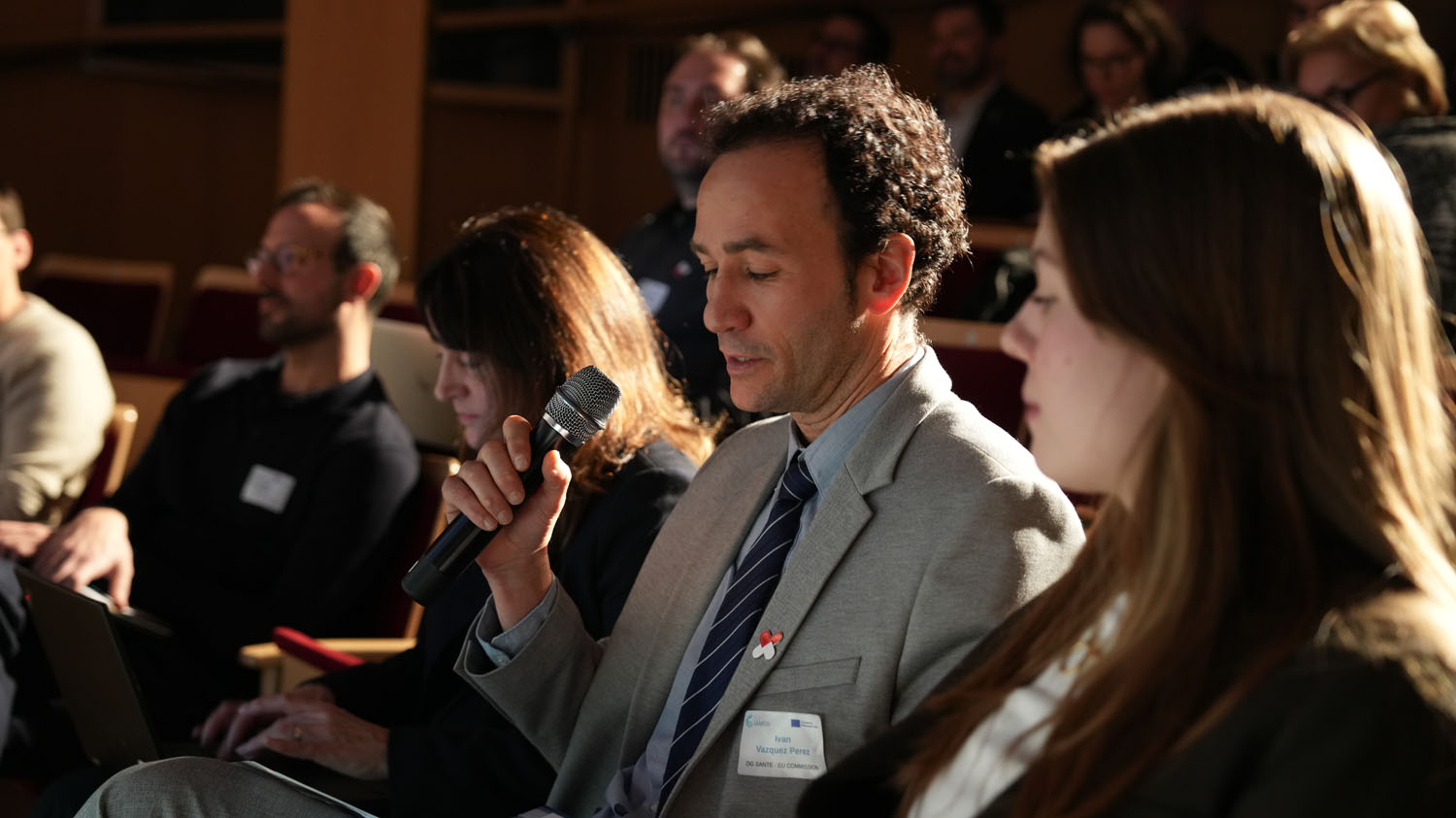
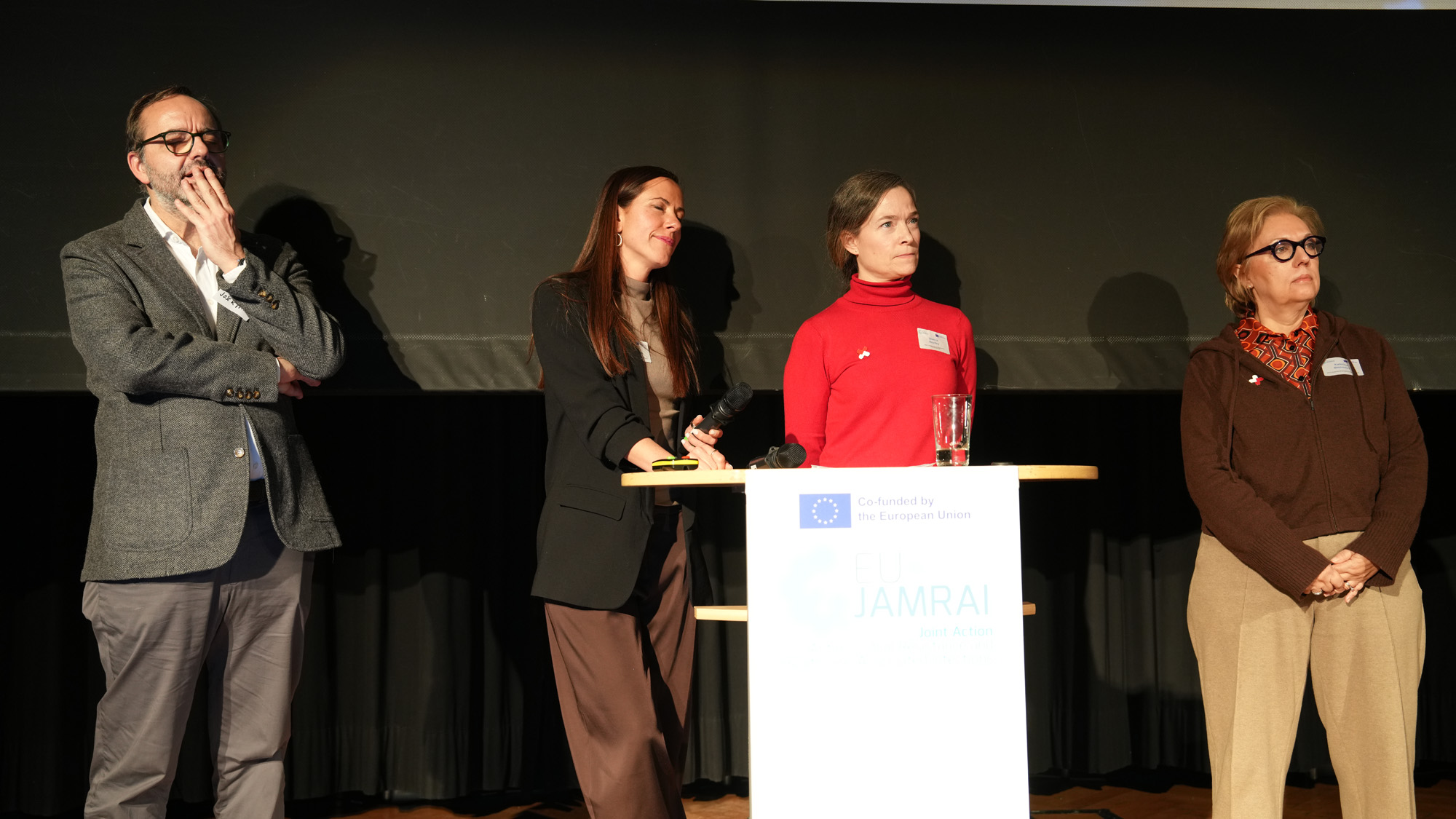
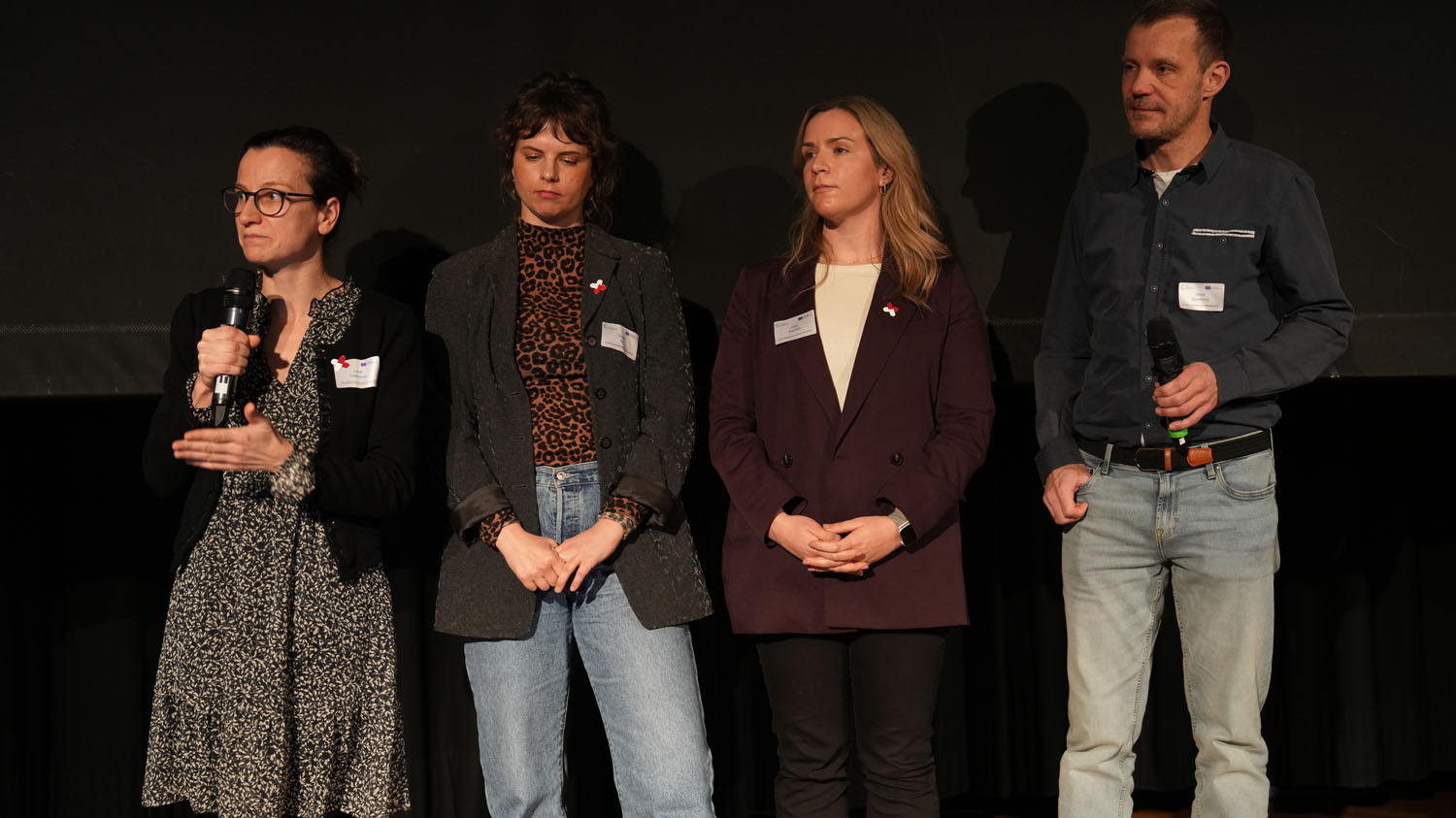
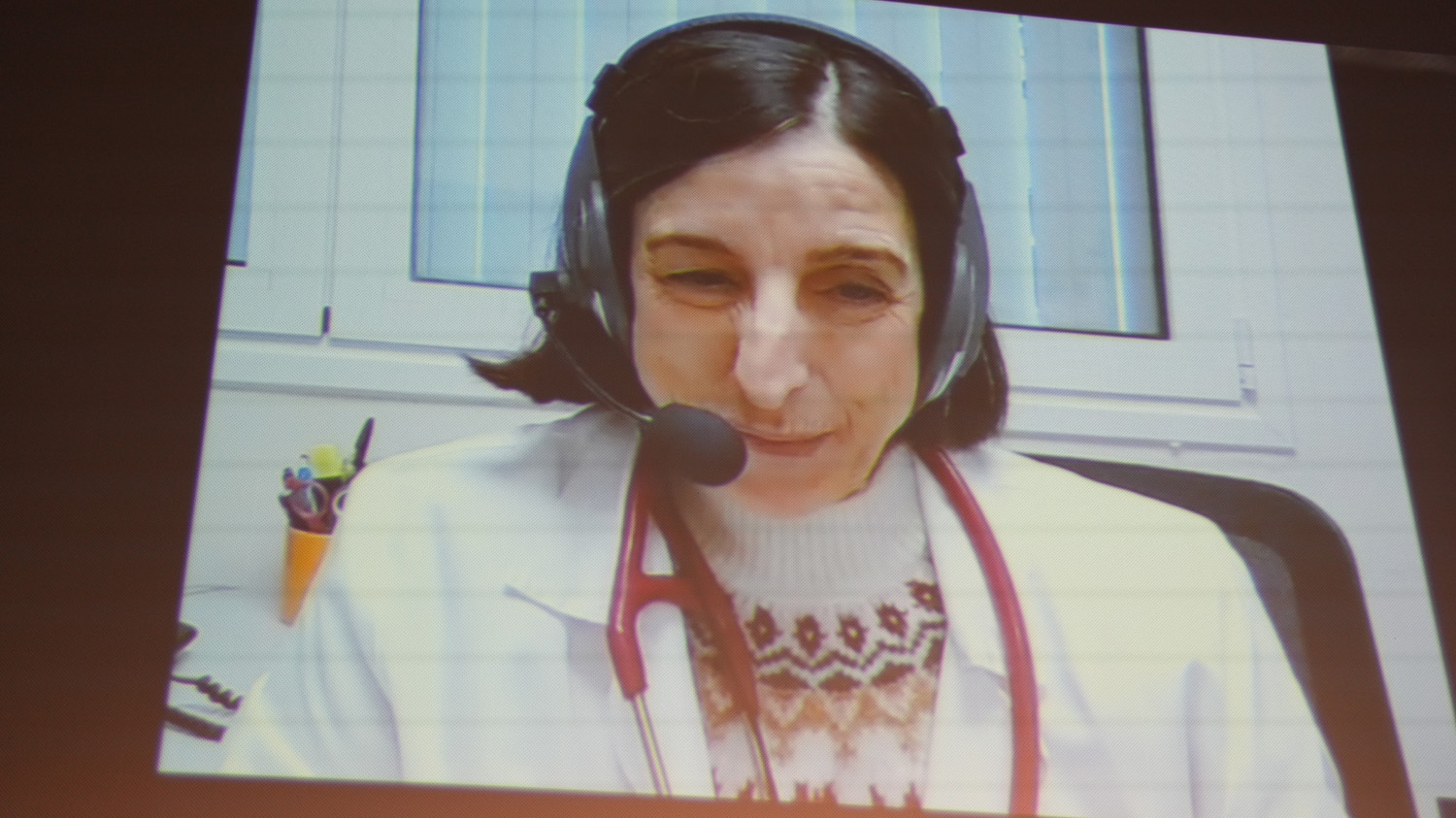
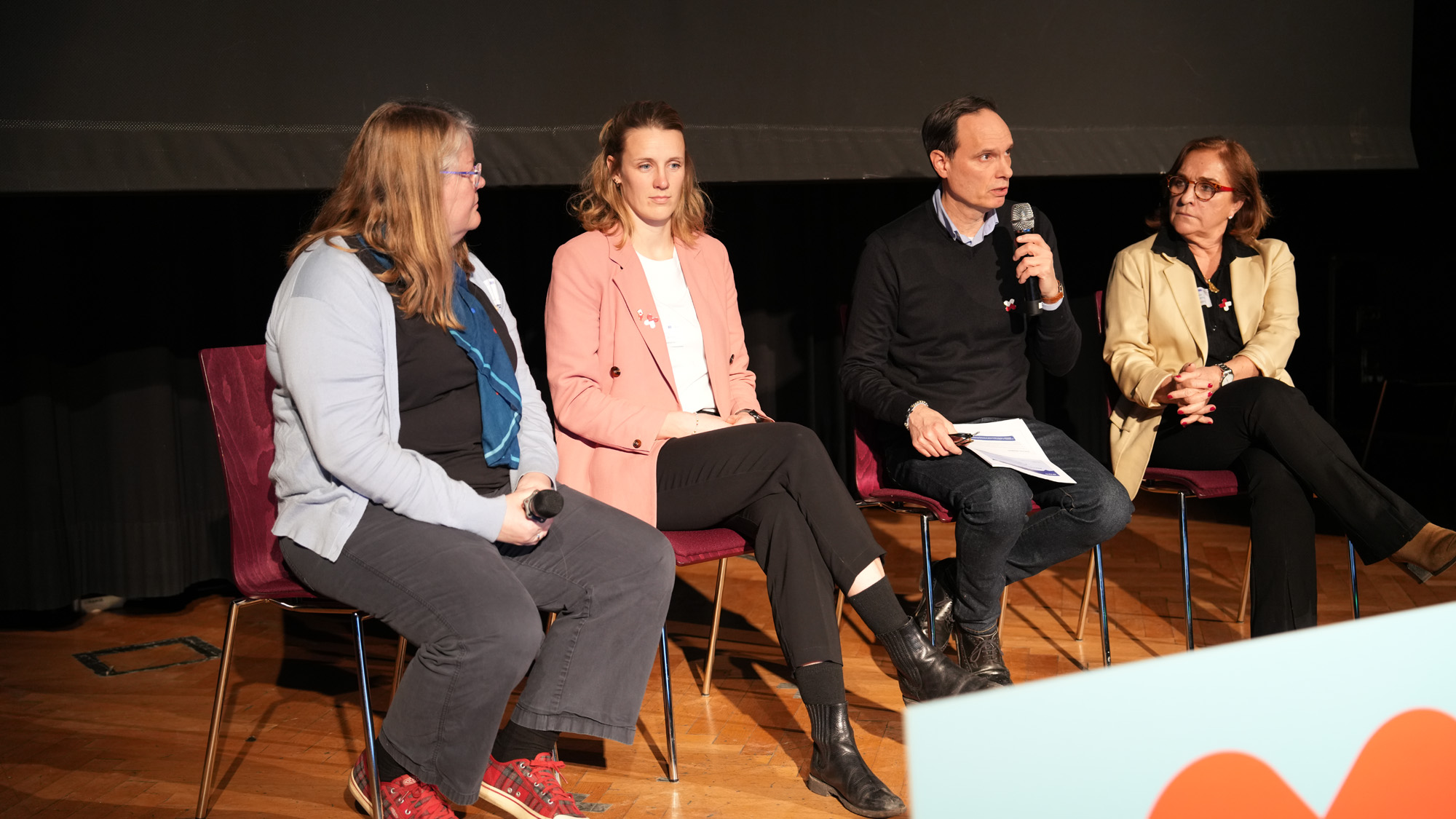
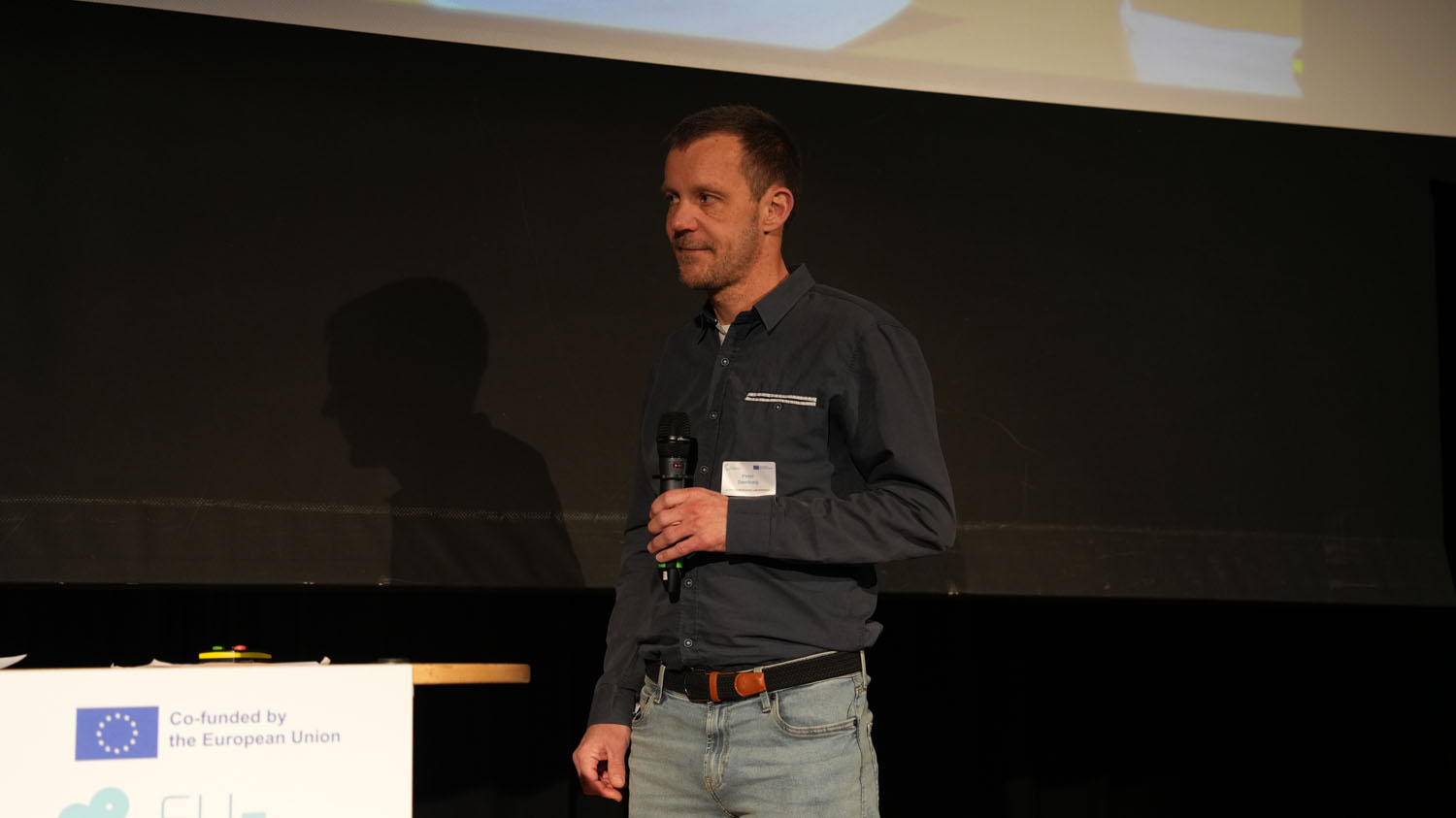
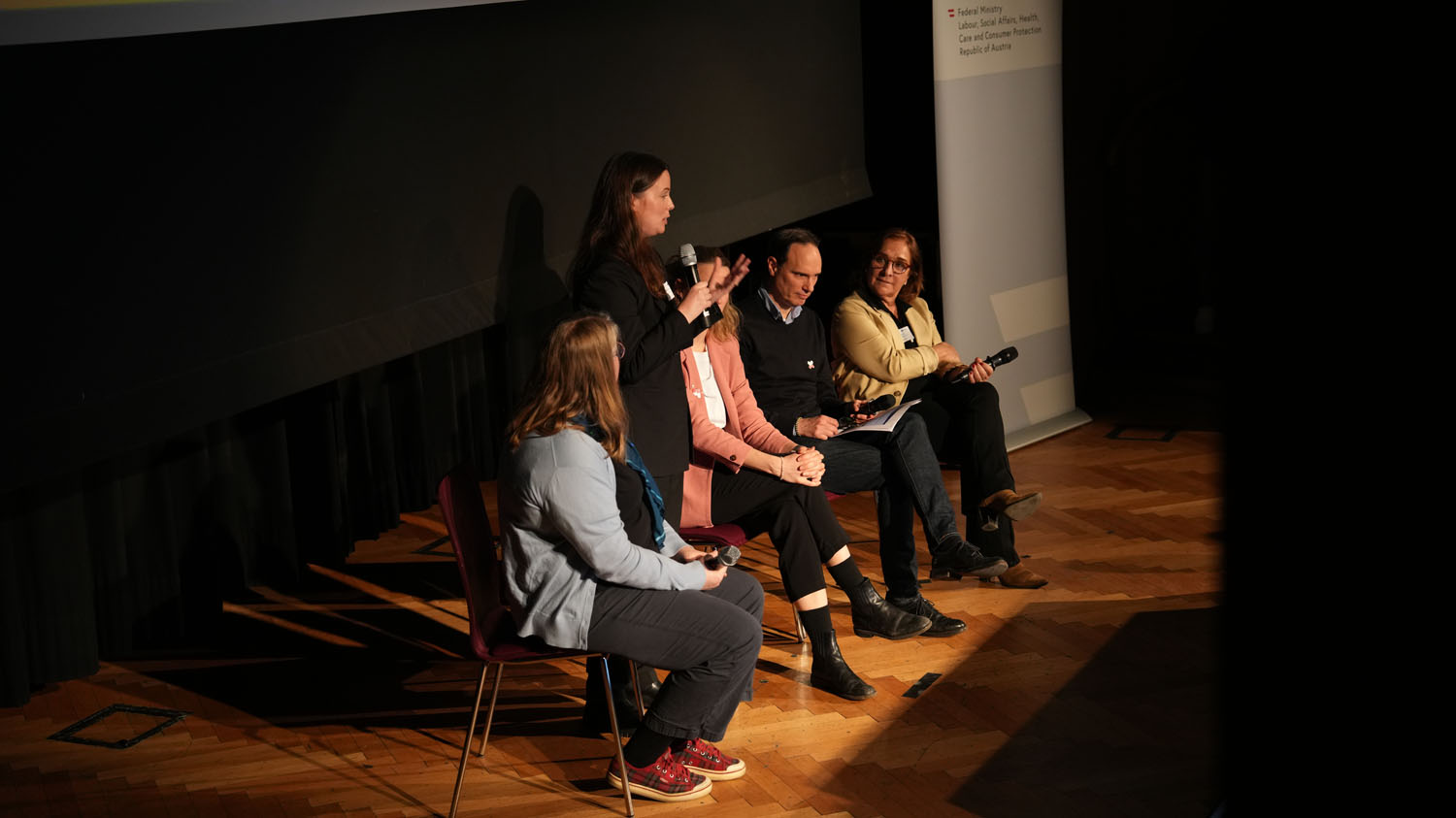
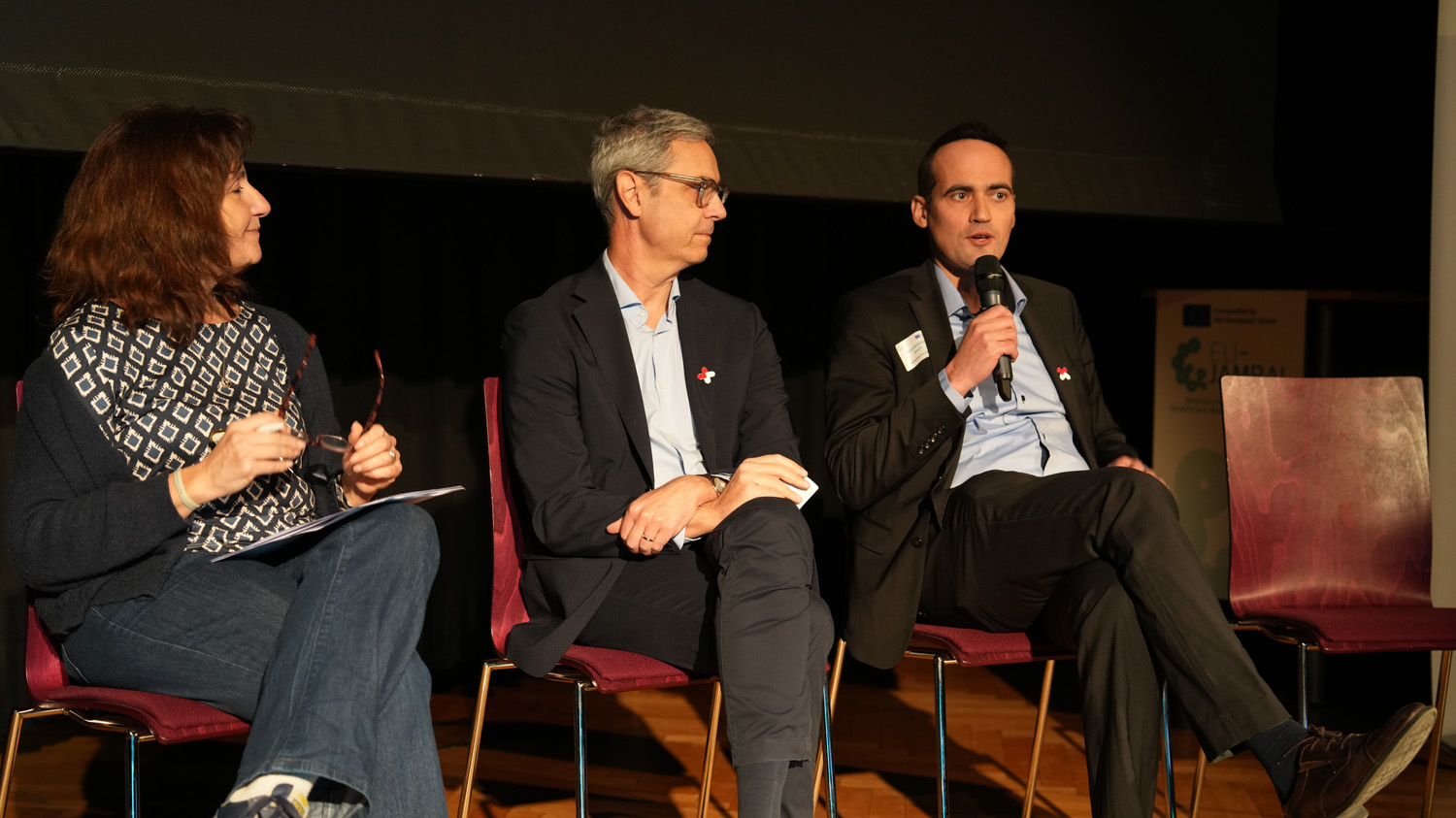
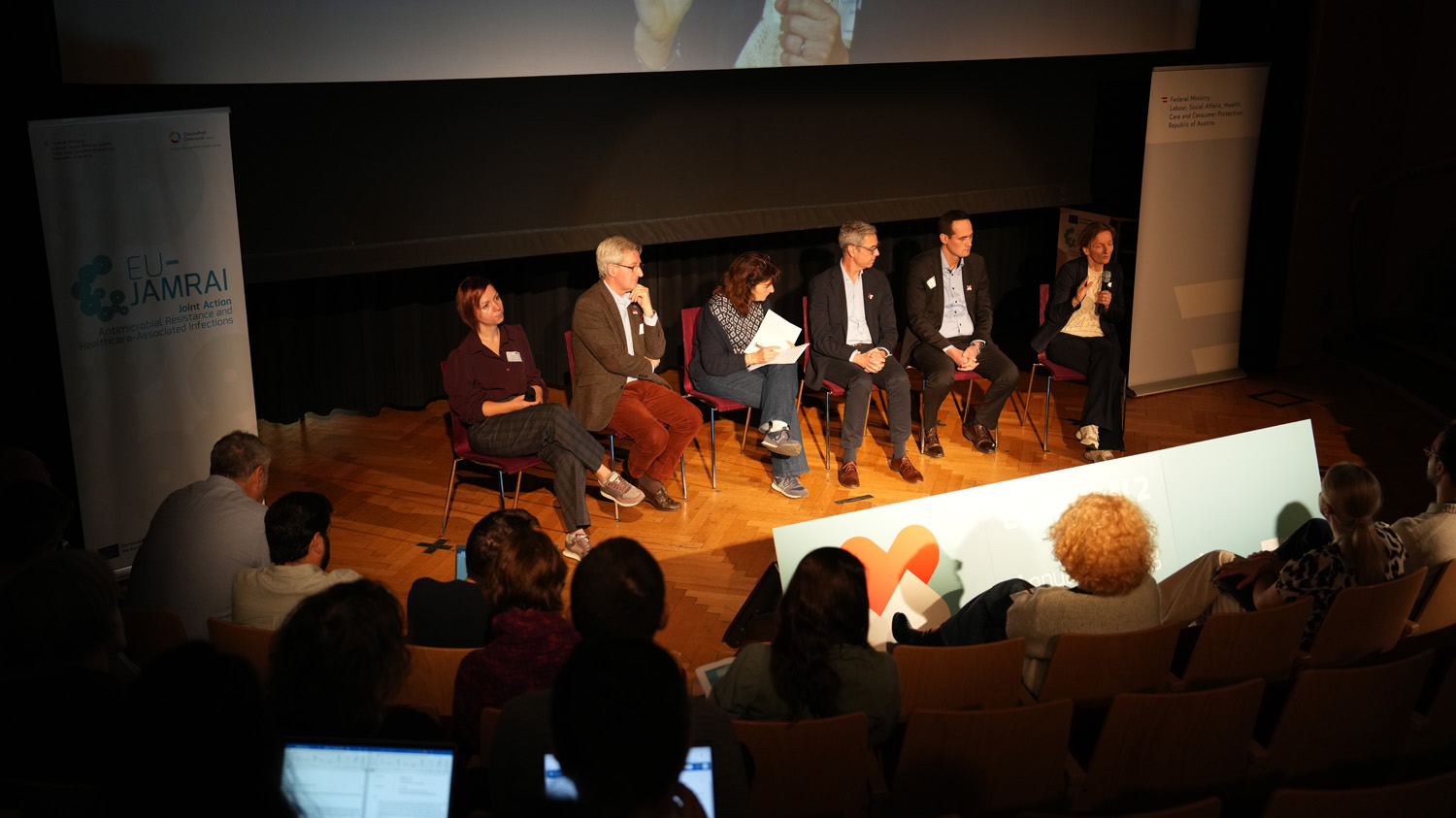
Iván Vázquez Pérez from DG SANTE, European Commission, congratulated EU-JAMRAI 2 for its achievements: “I am very happy because I am part of this incredible Joint Action that has an impact in society. The worthiest and most important thing is that EU-JAMRAI 2’s objective is saving lives.” He also moderated a lively panel discussion with country representatives from Croatia, Malta and Cyprus, who shared inspiring success stories supported by the Joint Action.
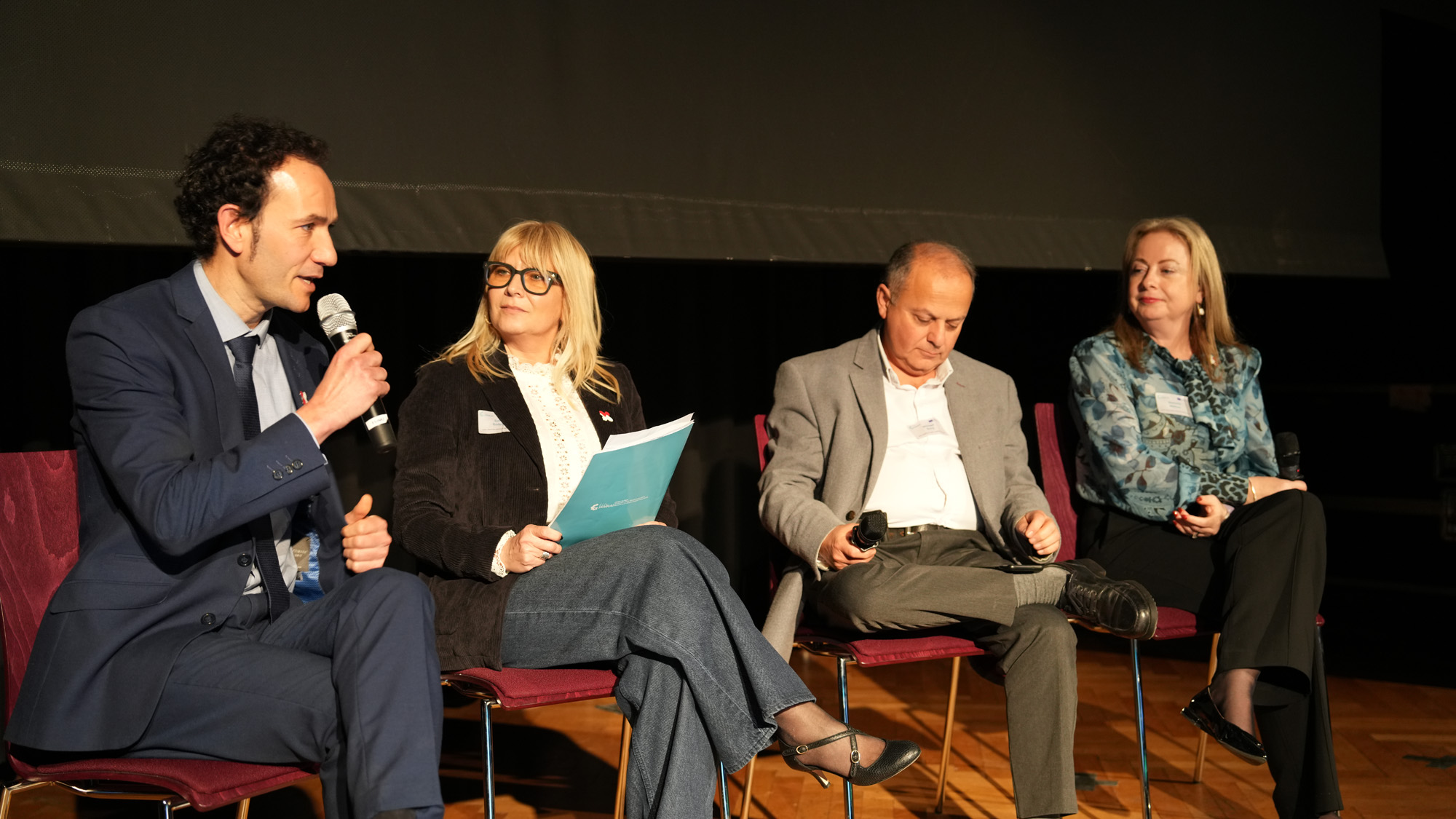
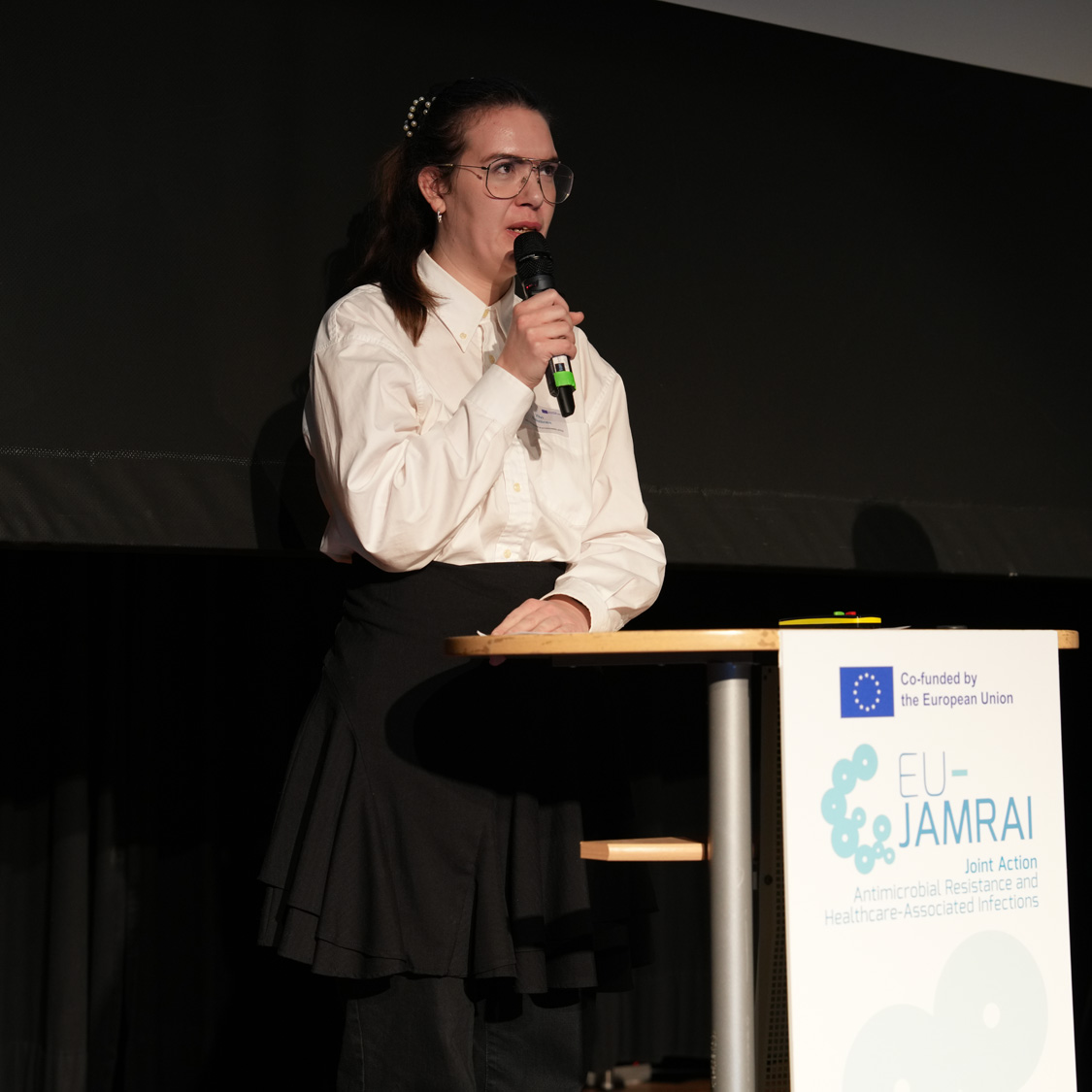
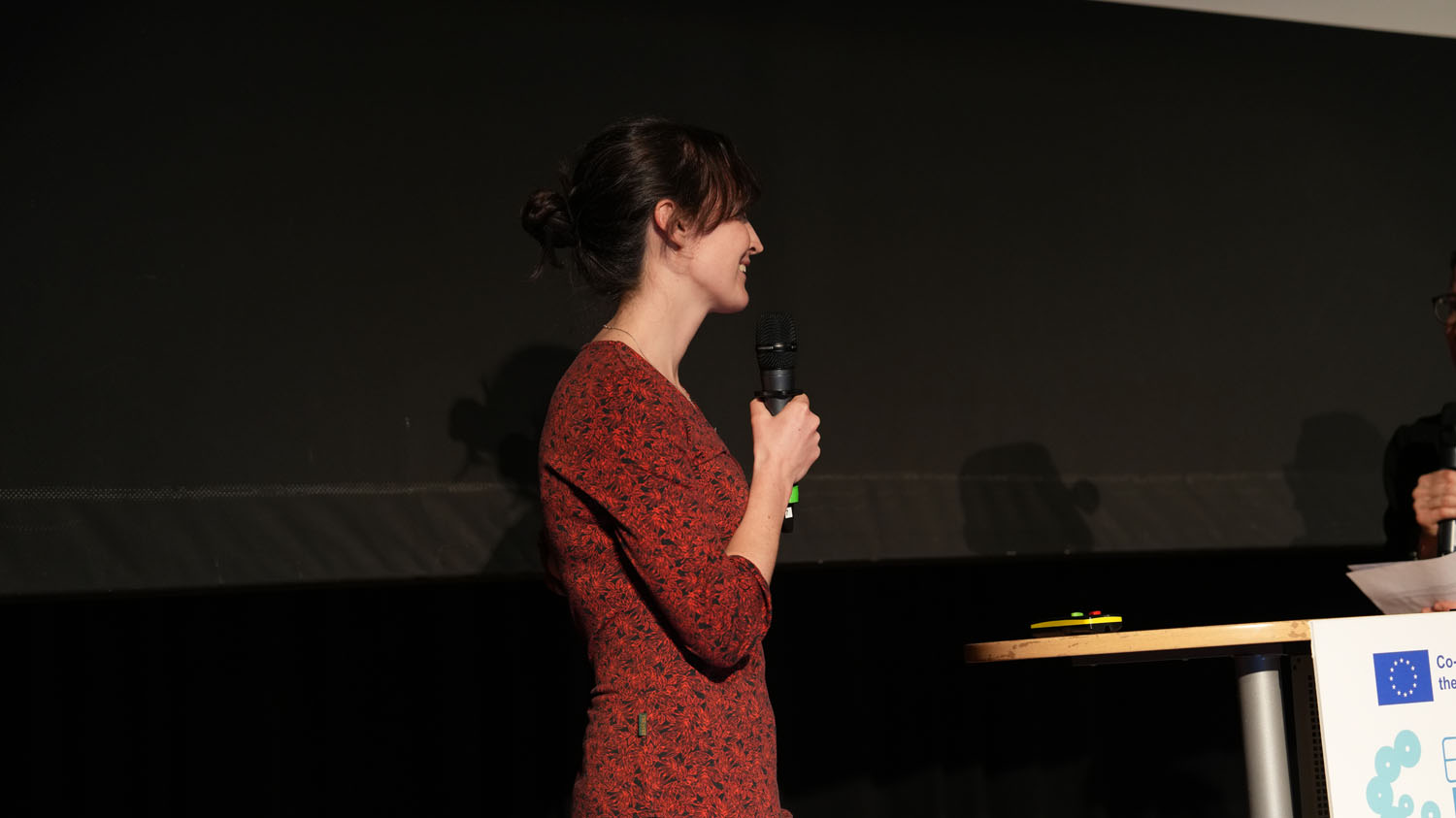
The discussion highlighted how EU-JAMRAI 2 is driving real change on the ground. Croatia described its creative awareness campaigns using puppet shows and art workshops to teach children about hygiene and antibiotic use, while reaching older adults through tailored health information. Malta shared its first One Health EPI-CAP workshop, which brought together human, animal and environmental health sectors to assess surveillance and align priorities. Cyprus presented the Drive-AMS Masterclass, which united hospital teams to co-develop and implement practical stewardship improvement plans.
First Stakeholder Forum meeting
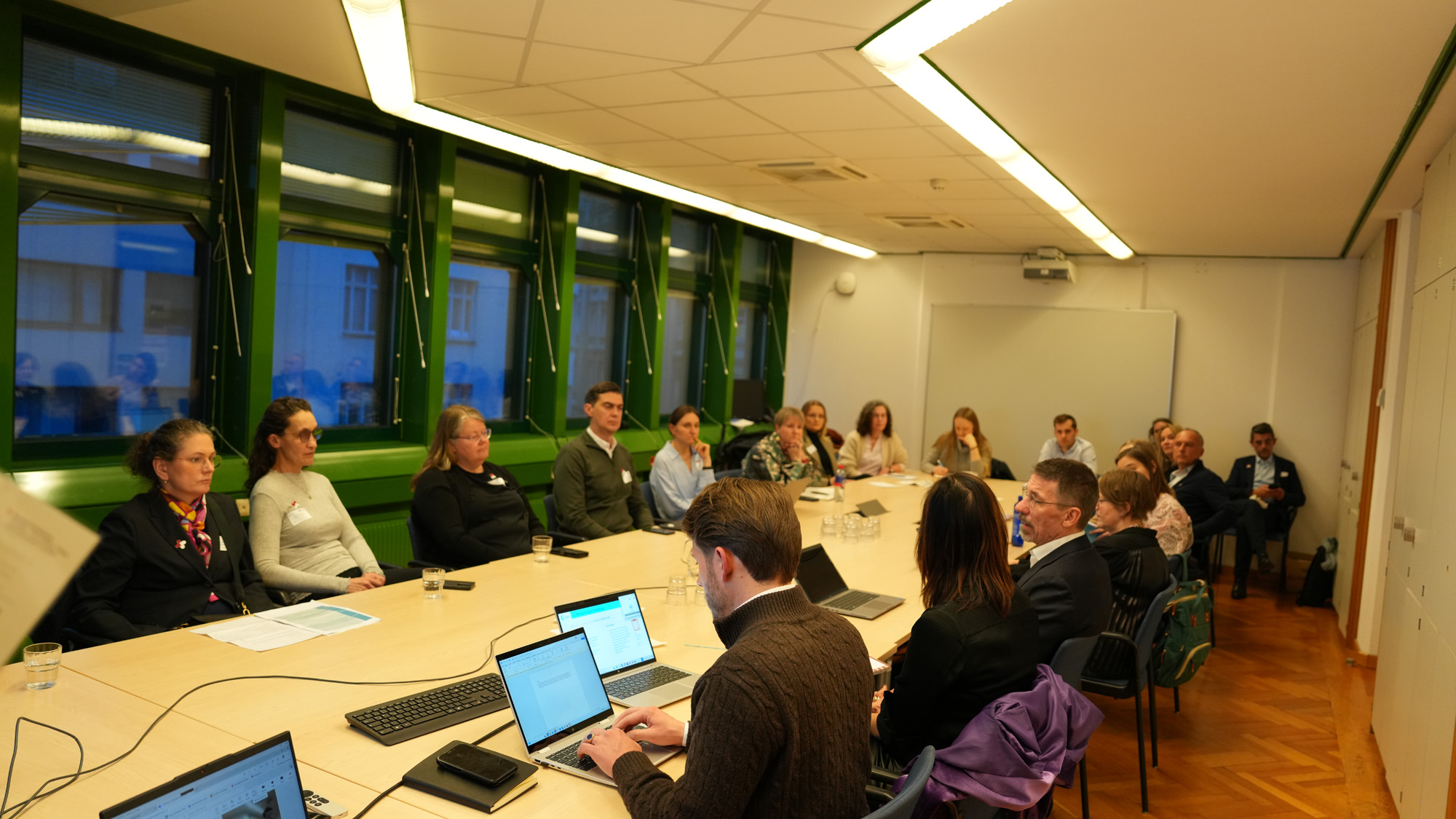
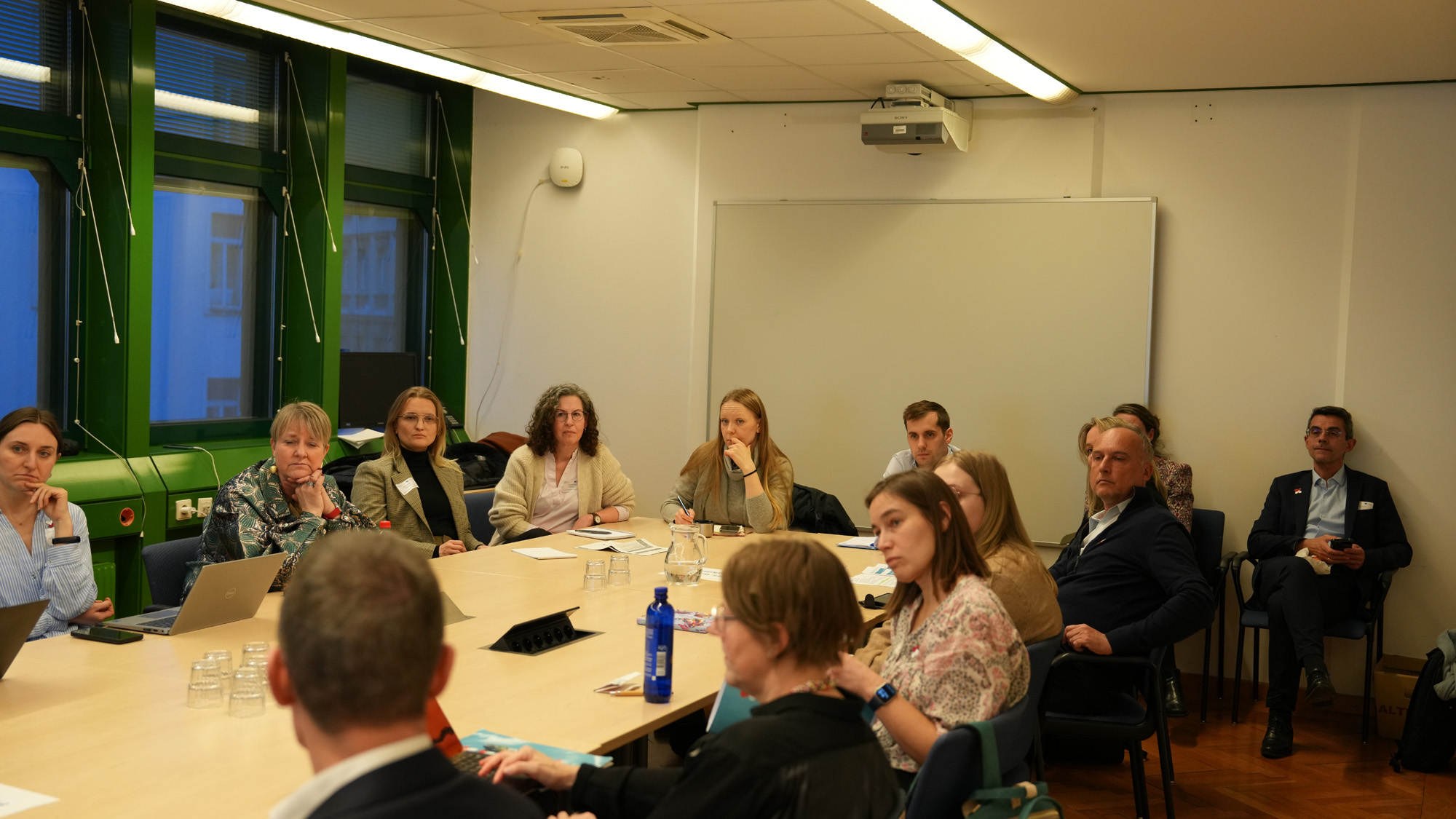
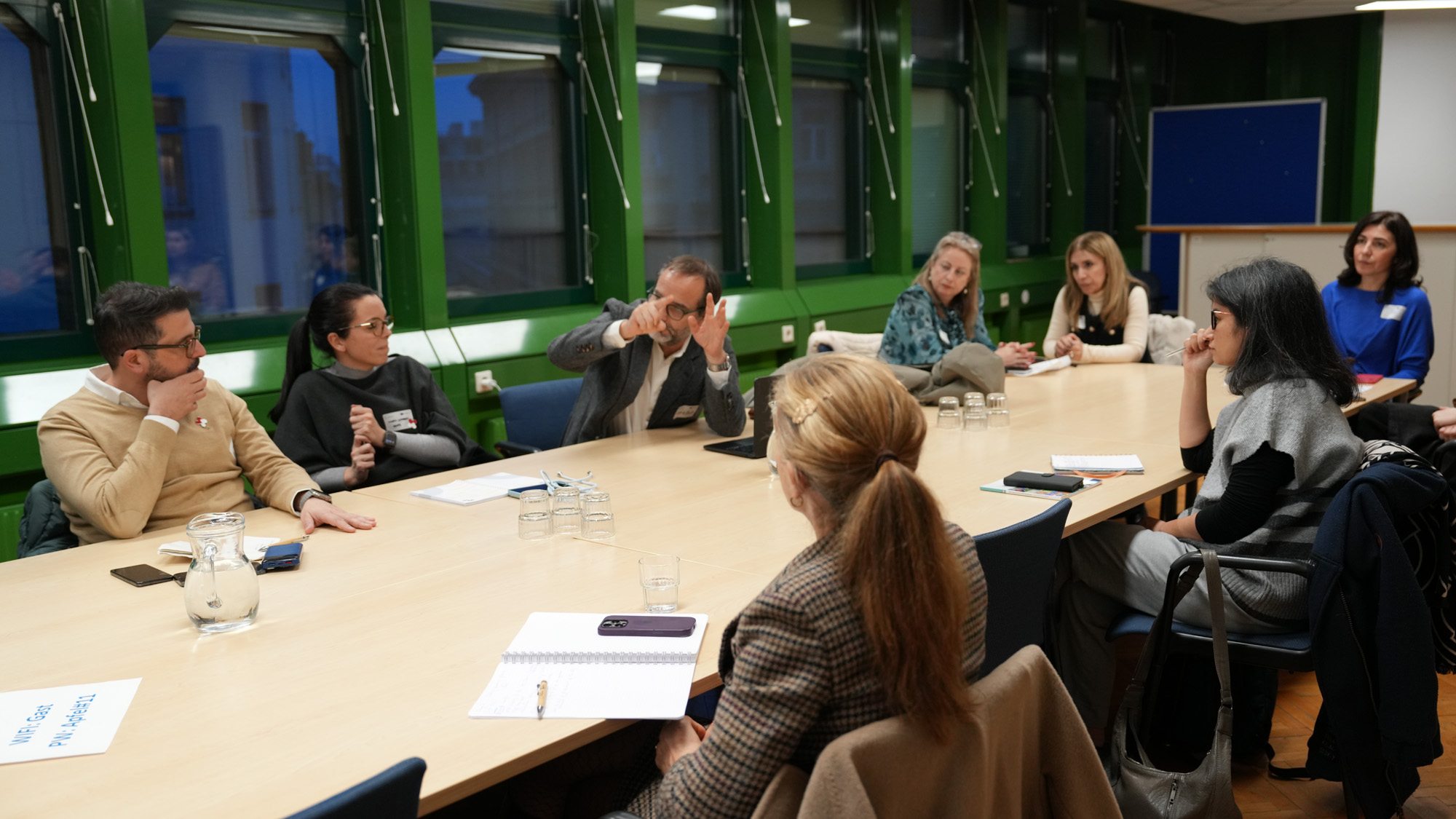
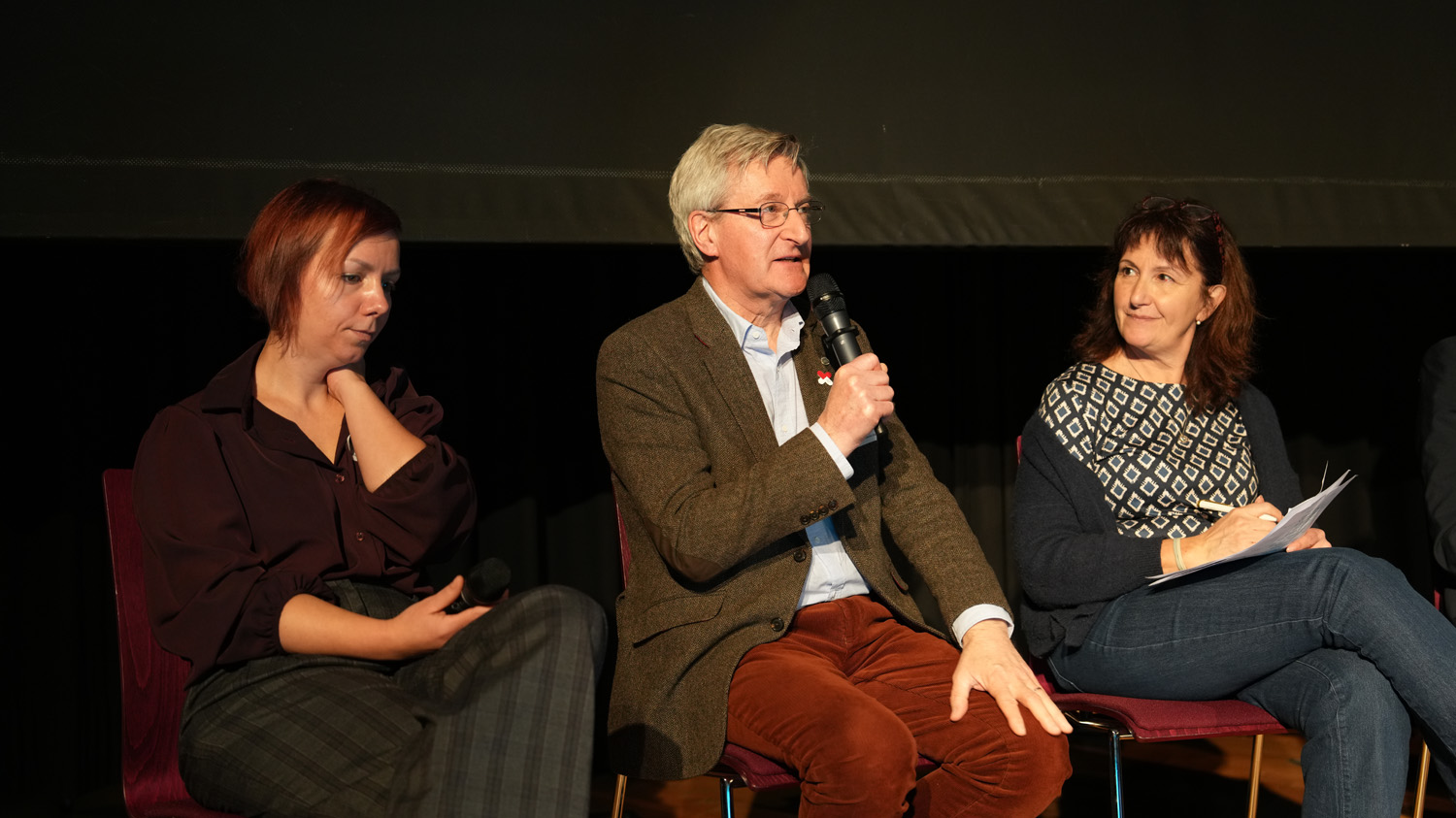
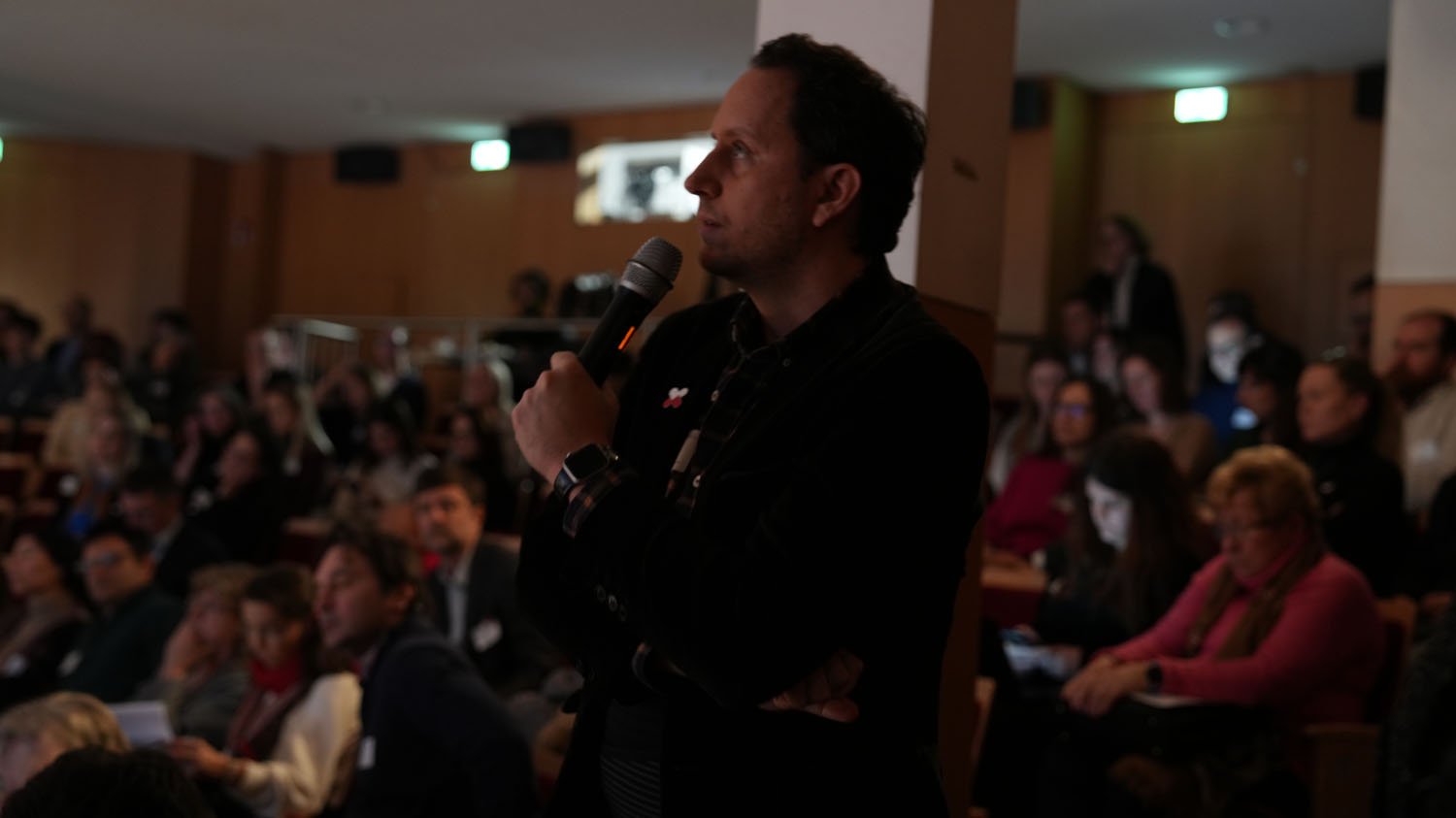
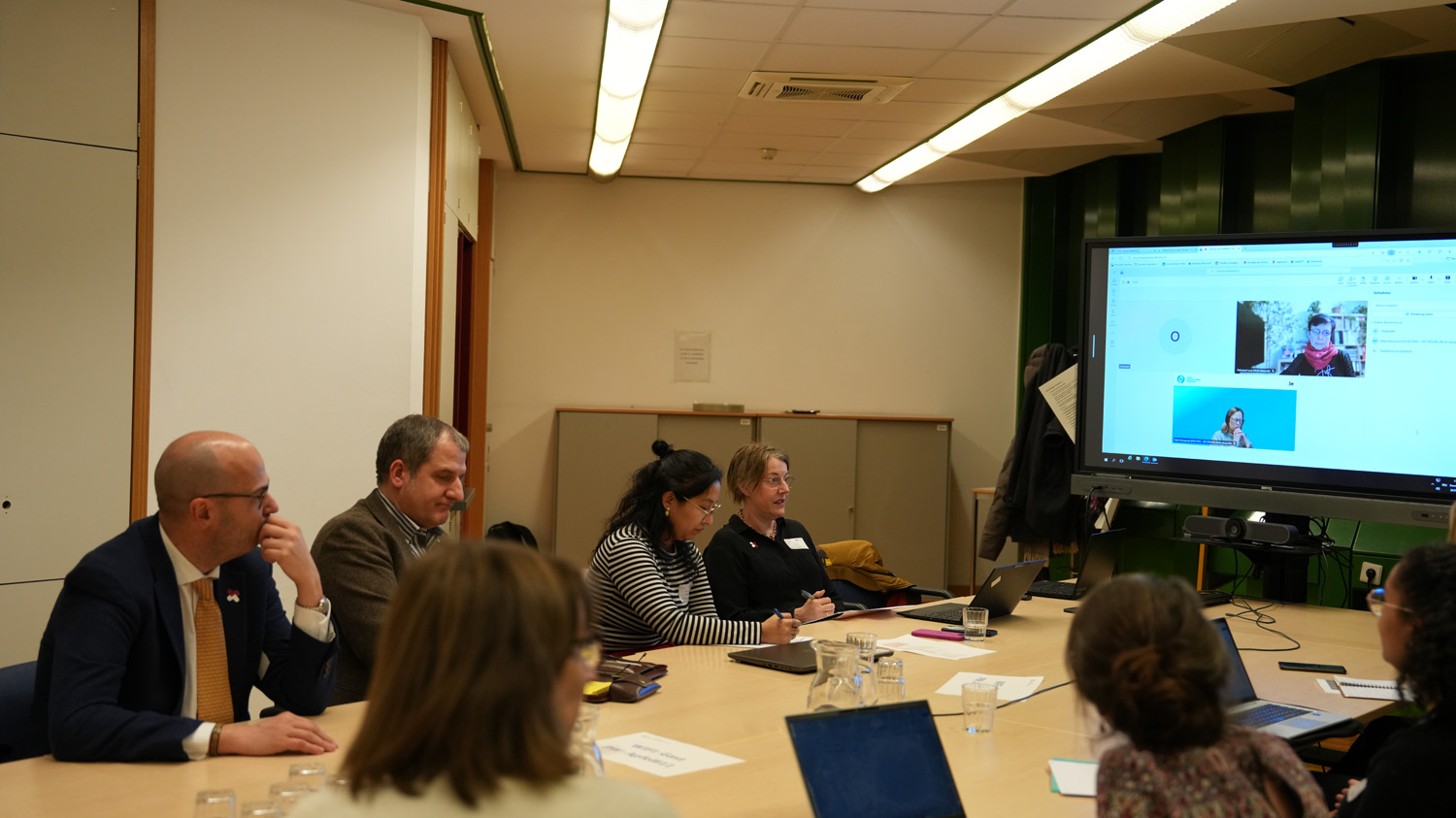
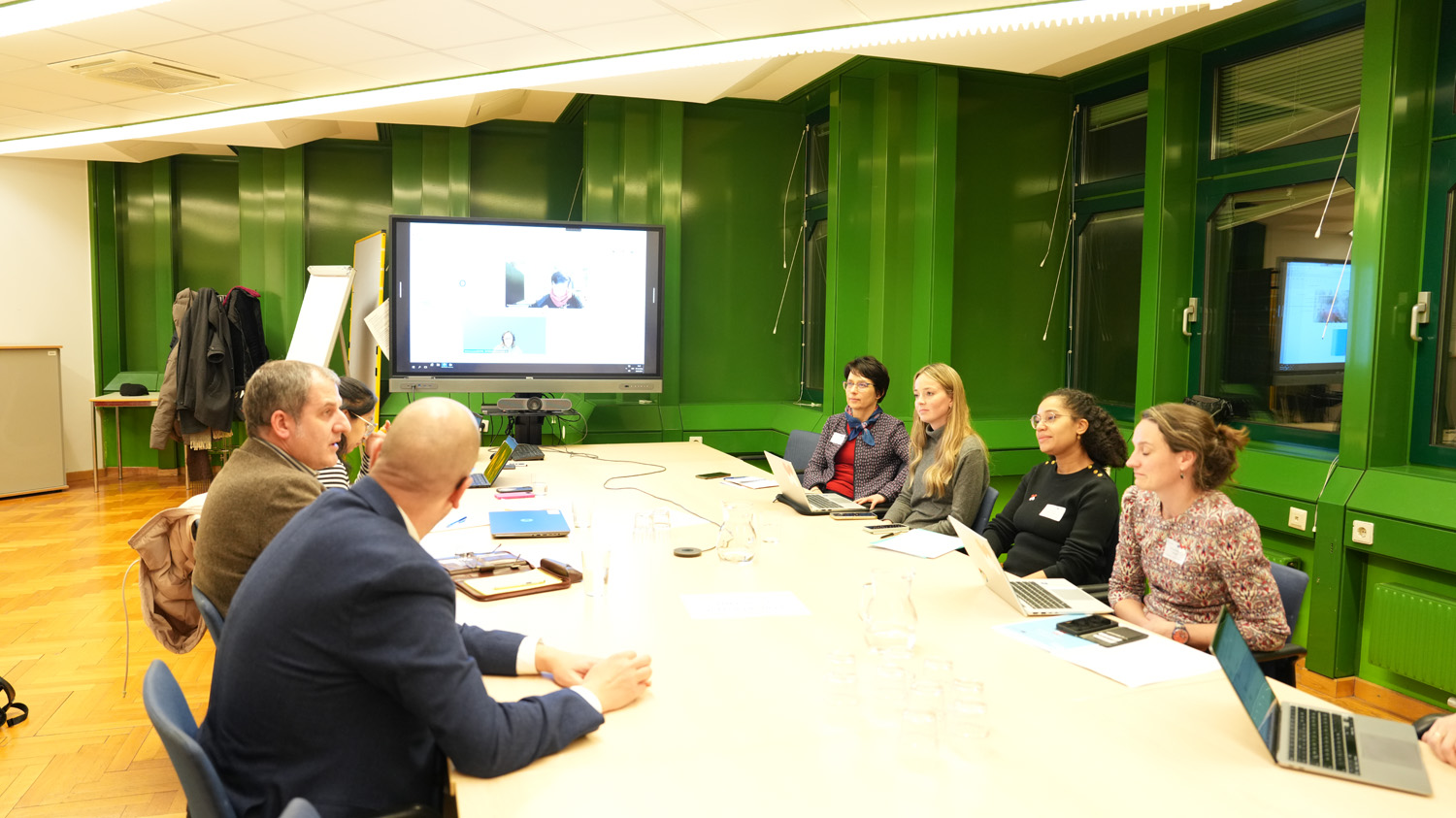
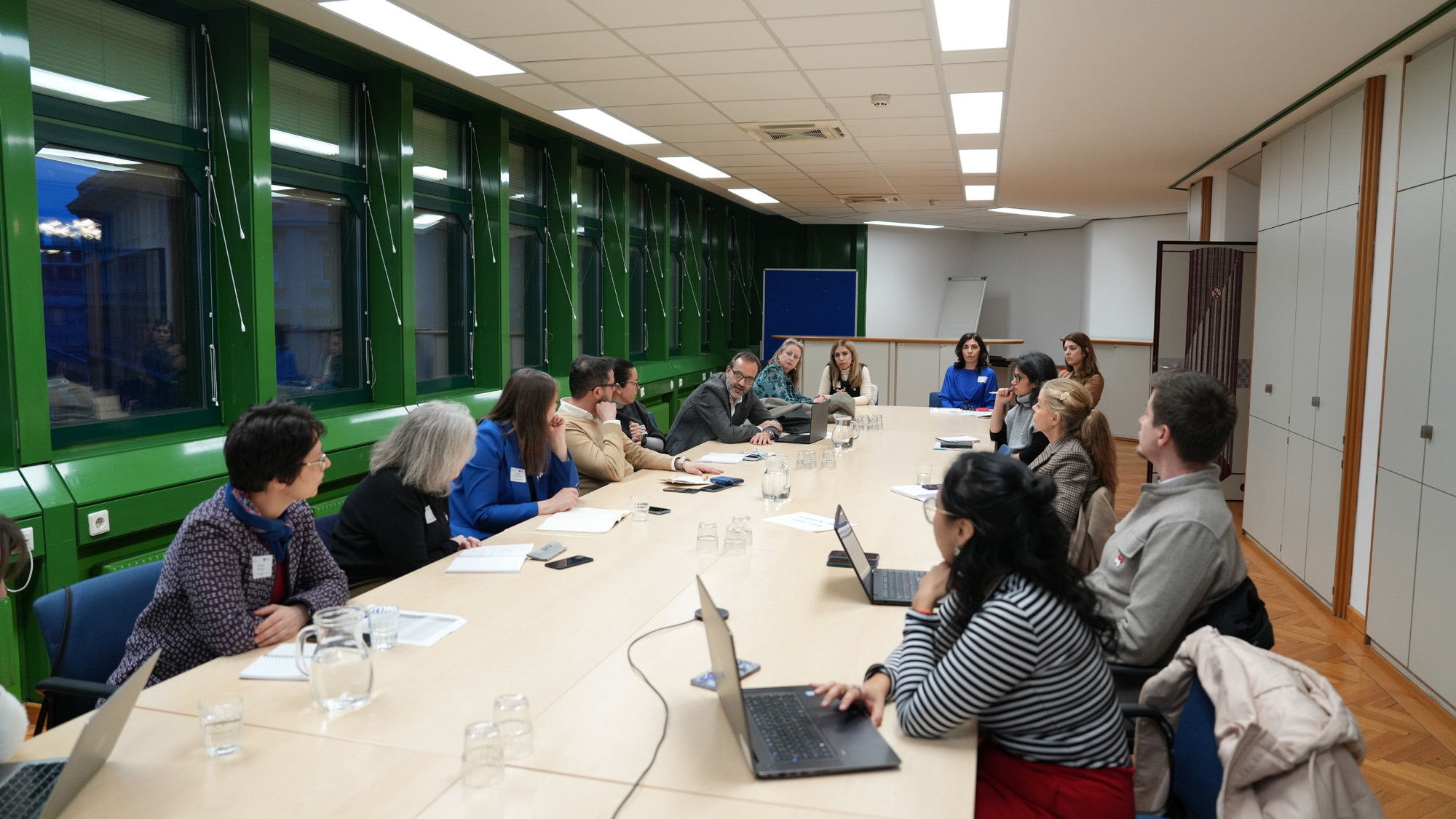
This Annual Meeting also held the first edition of the EU-JAMRAI 2 Stakeholder Forum, where different roundtables and discussion panels took place with representatives from international organizations involved in the different dimensions of AMR, such as ECDC, EFSA, UNEP or FAO; as well as representatives from scientific, industry and civil society like IPC Nurses corner, Medicines for Europe or the European University Hospital Alliance; or other projects and professional platforms like IMAGINE, WONCA or EPRUMA.
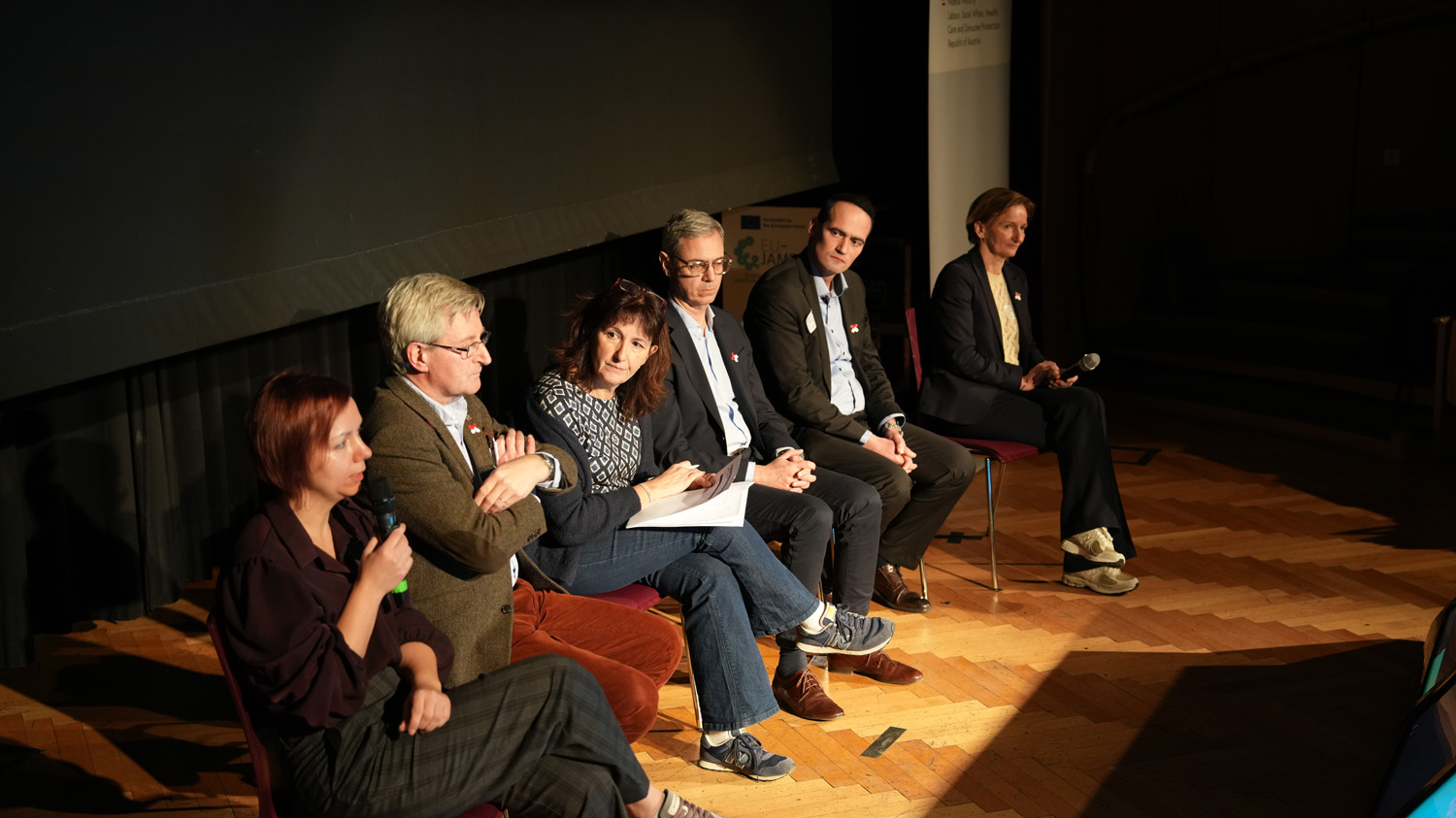
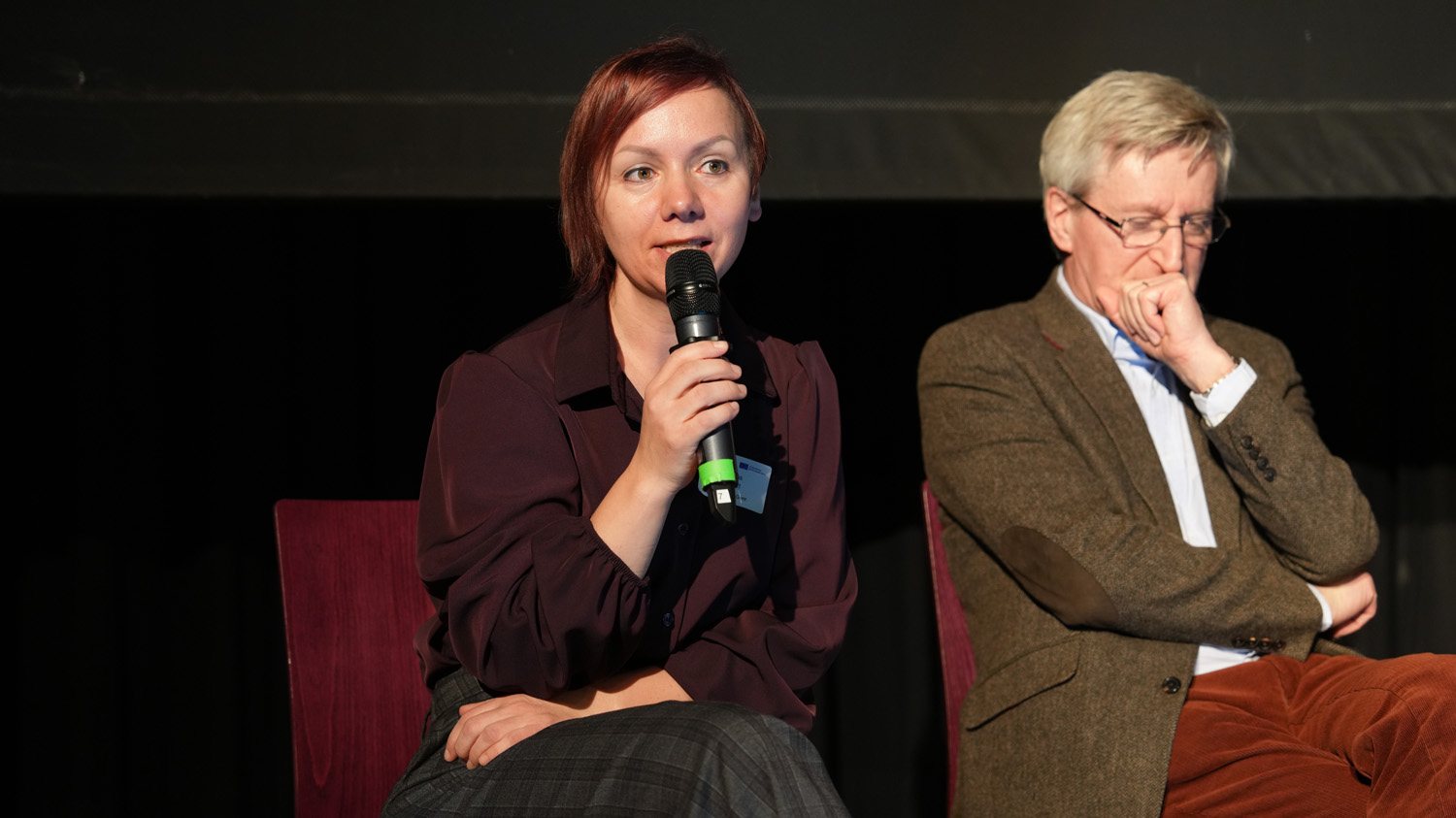
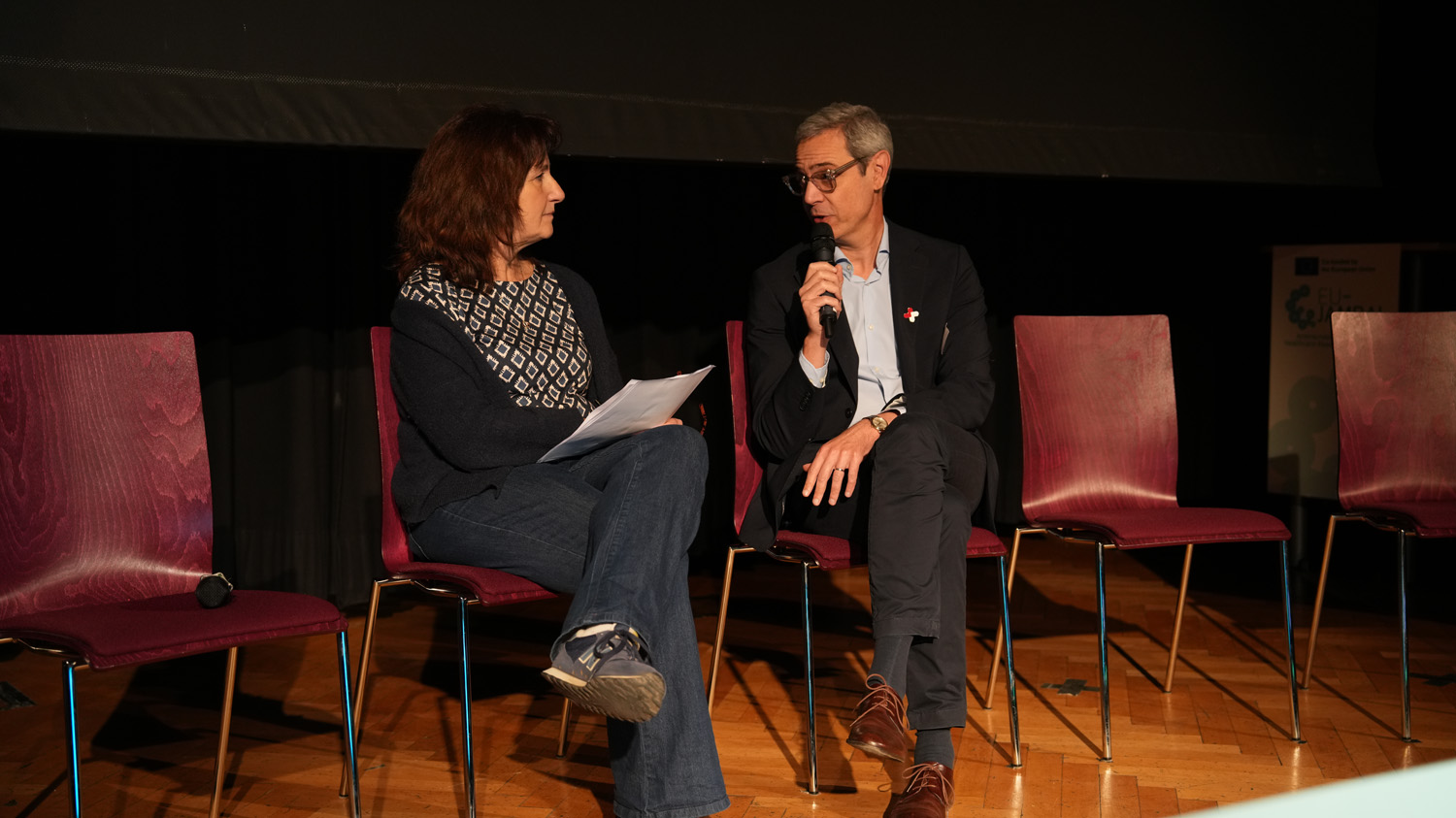
“The Stakeholder Forum is critical for the success of EU-JAMRAI 2. Their expertise and experience in the field of AMR give an outstanding added value in the Joint Action”, stressed Prof. Ploy.
A European effort
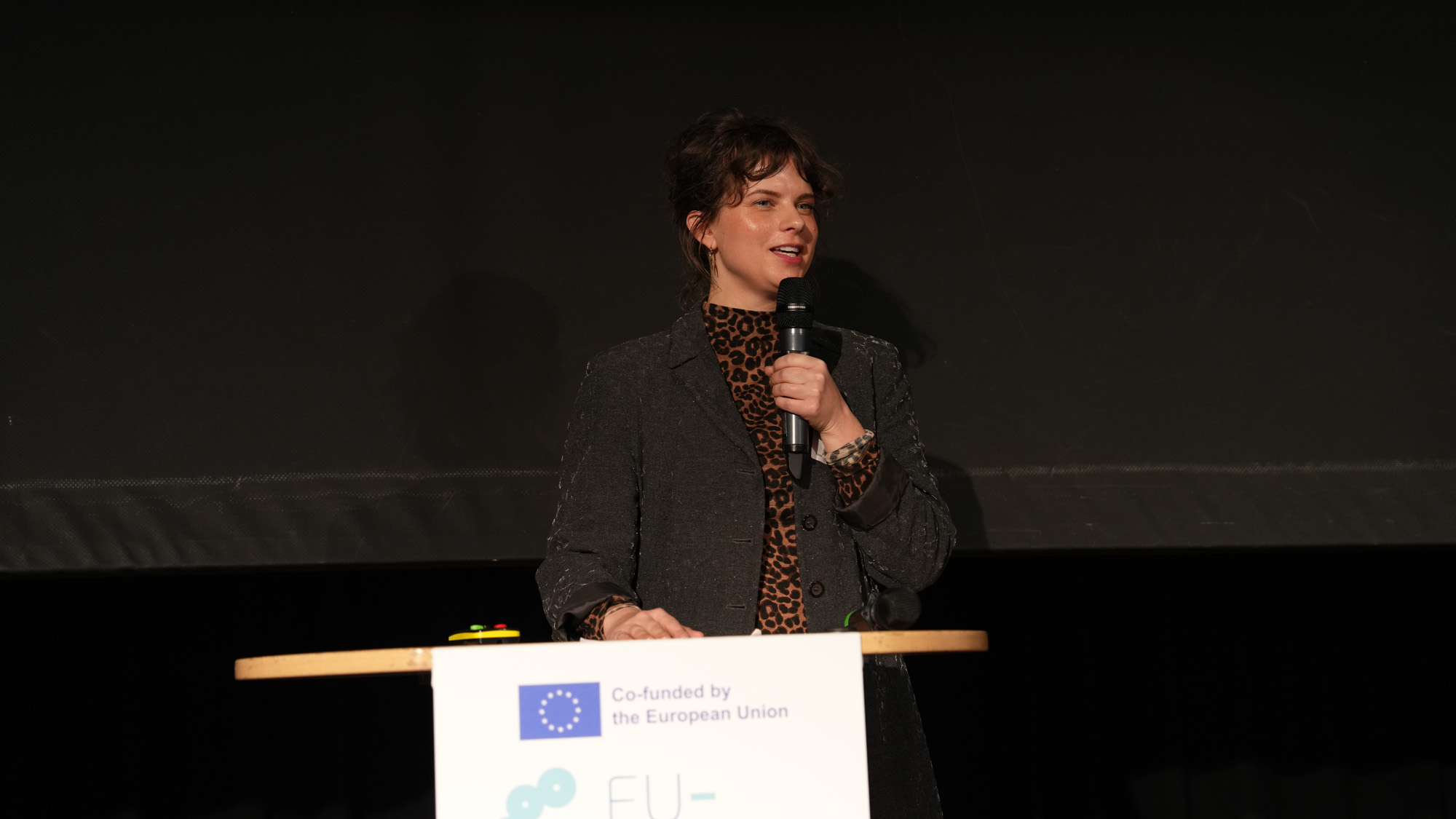
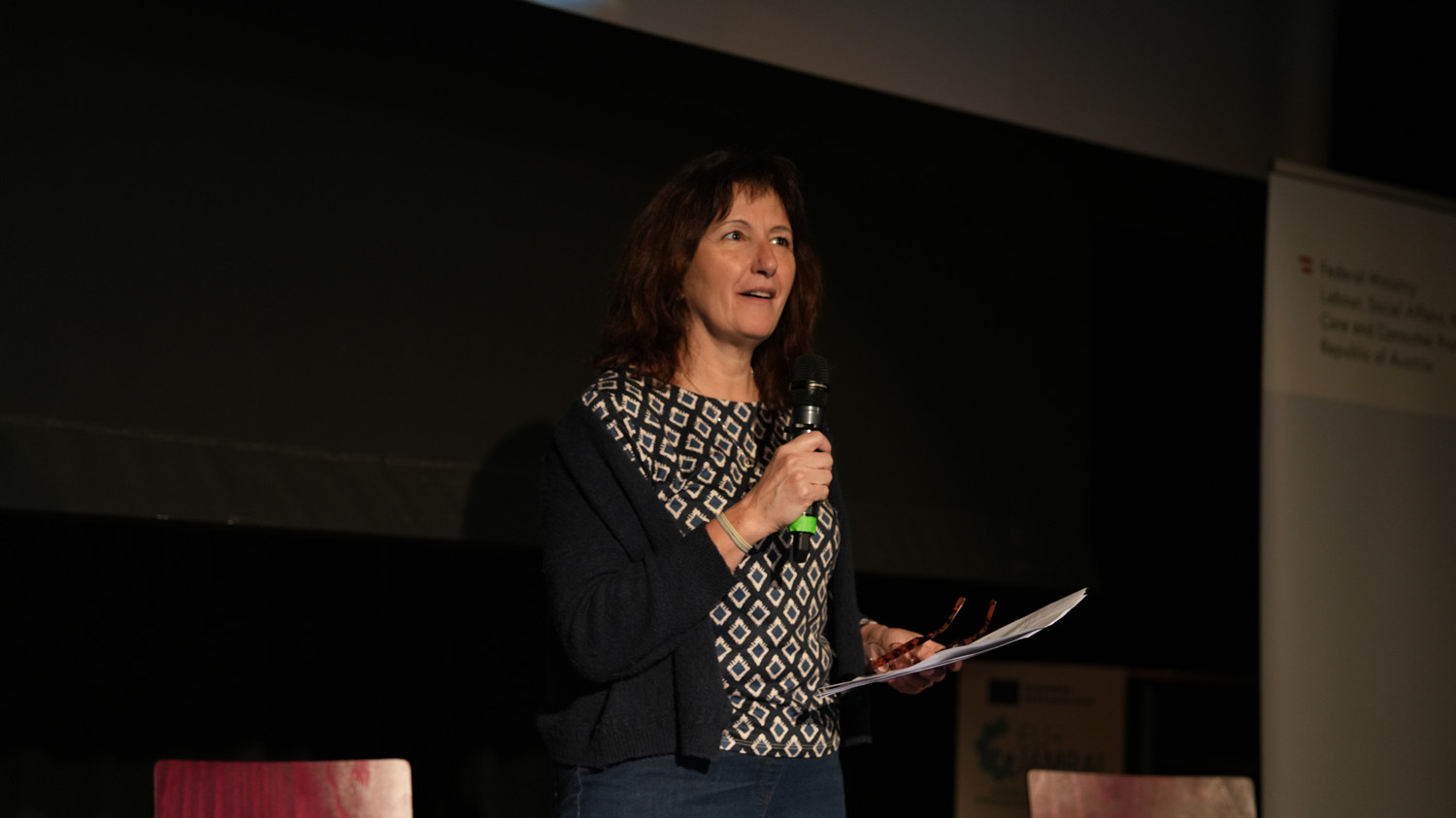
Ulrike Königsberger-Ludwig, State Secretary in the Austrian Federal Ministry of Labour, Social Affairs, Health, Care and Consumer Protection, highlighted the importance of joint efforts in Europe to contain AMR, and remarked on initiatives to raise awareness like the Sketching Antimicrobial Resistance exhibition set for the first time in the University of Vienna, in the framework of the EU-JAMRAI 2 Annual Meeting.
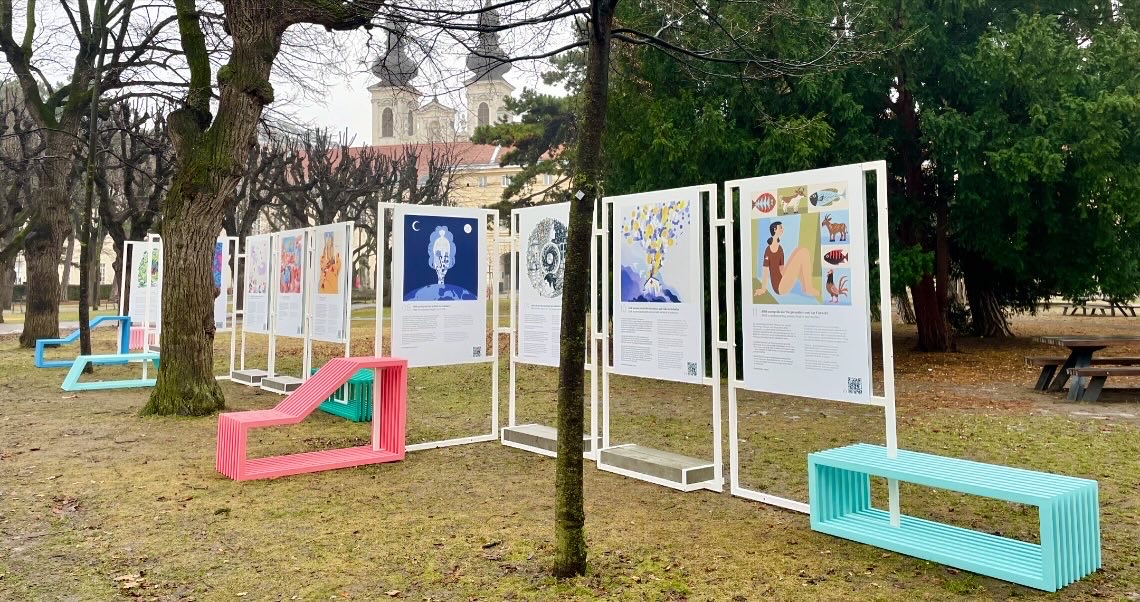
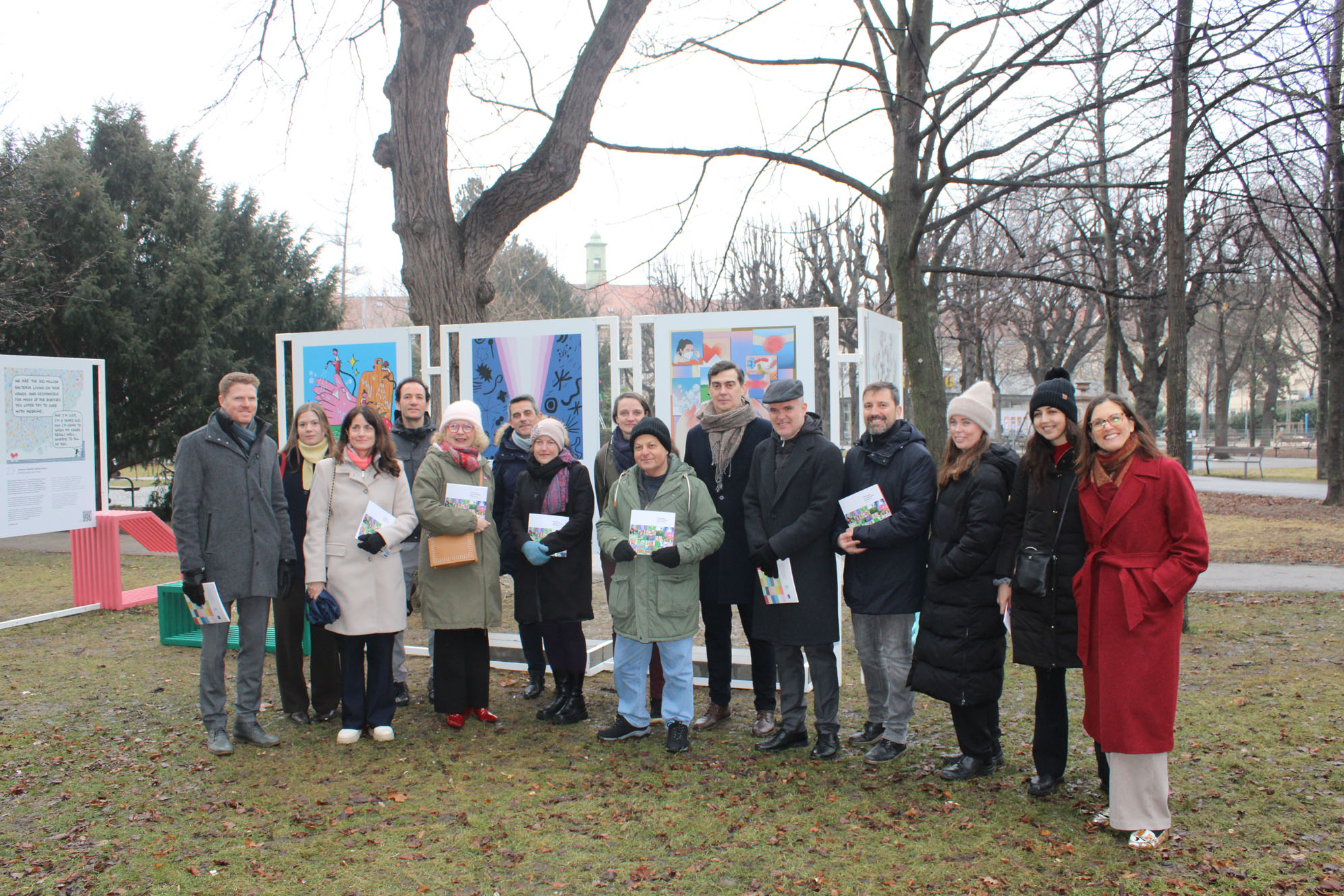
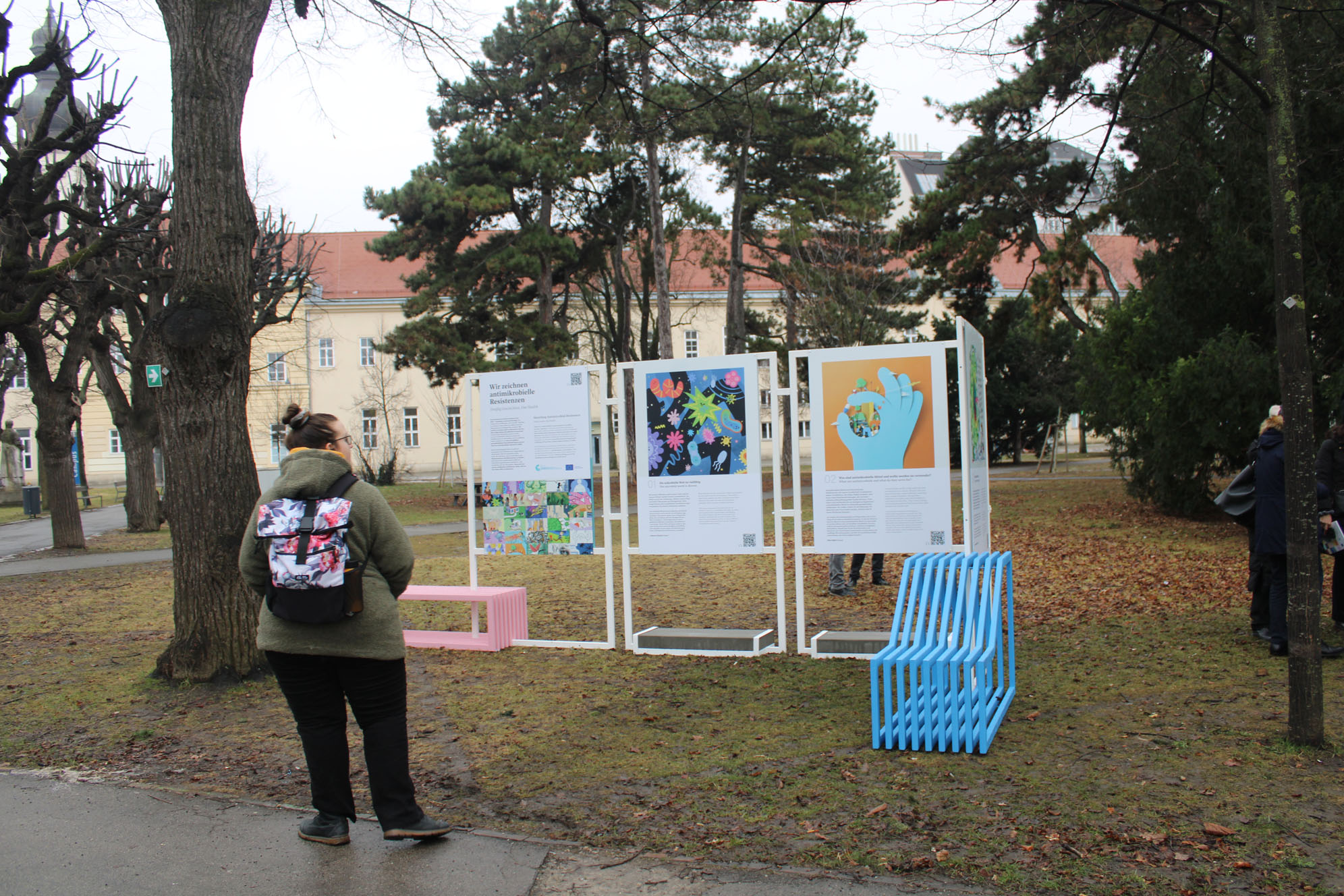
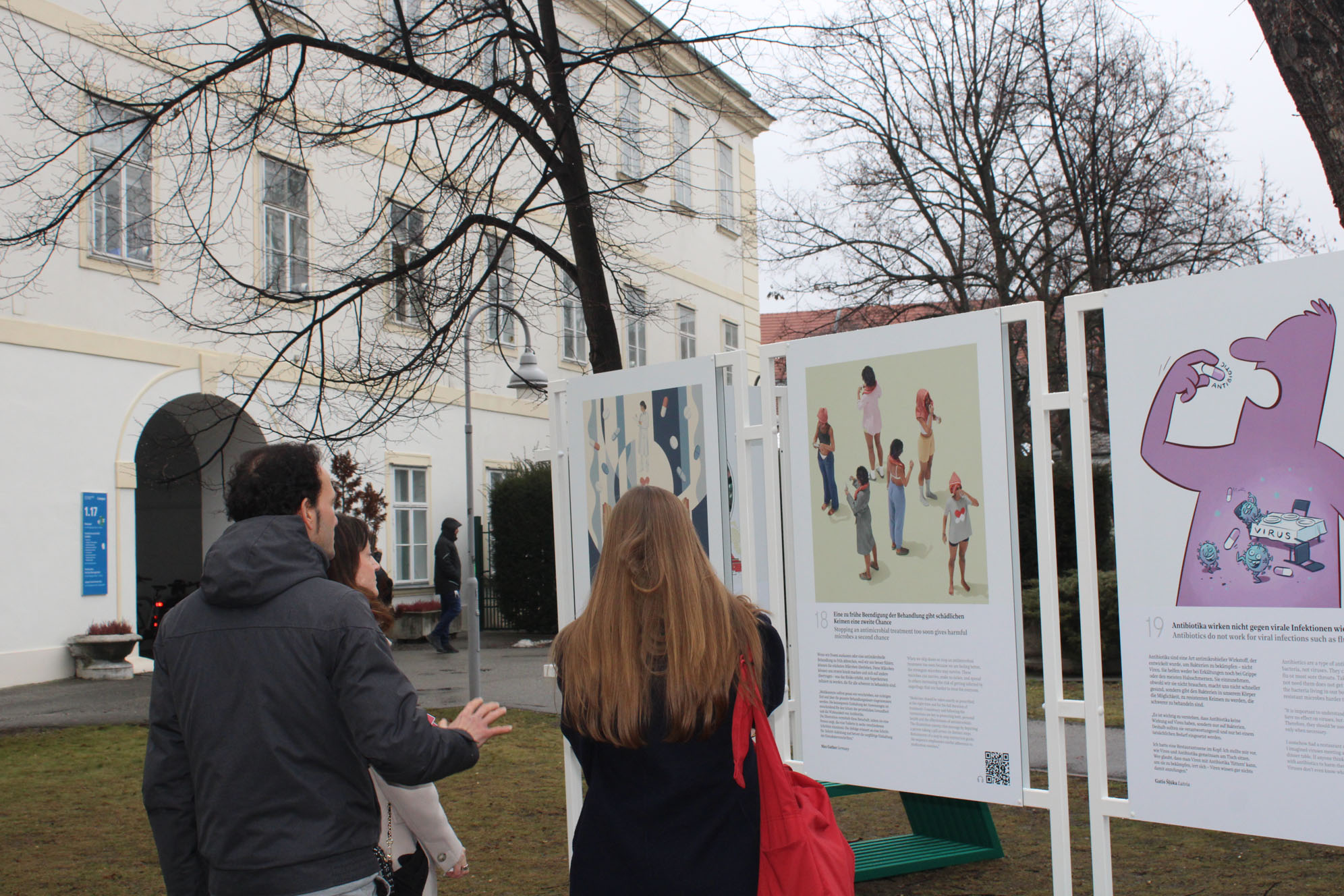
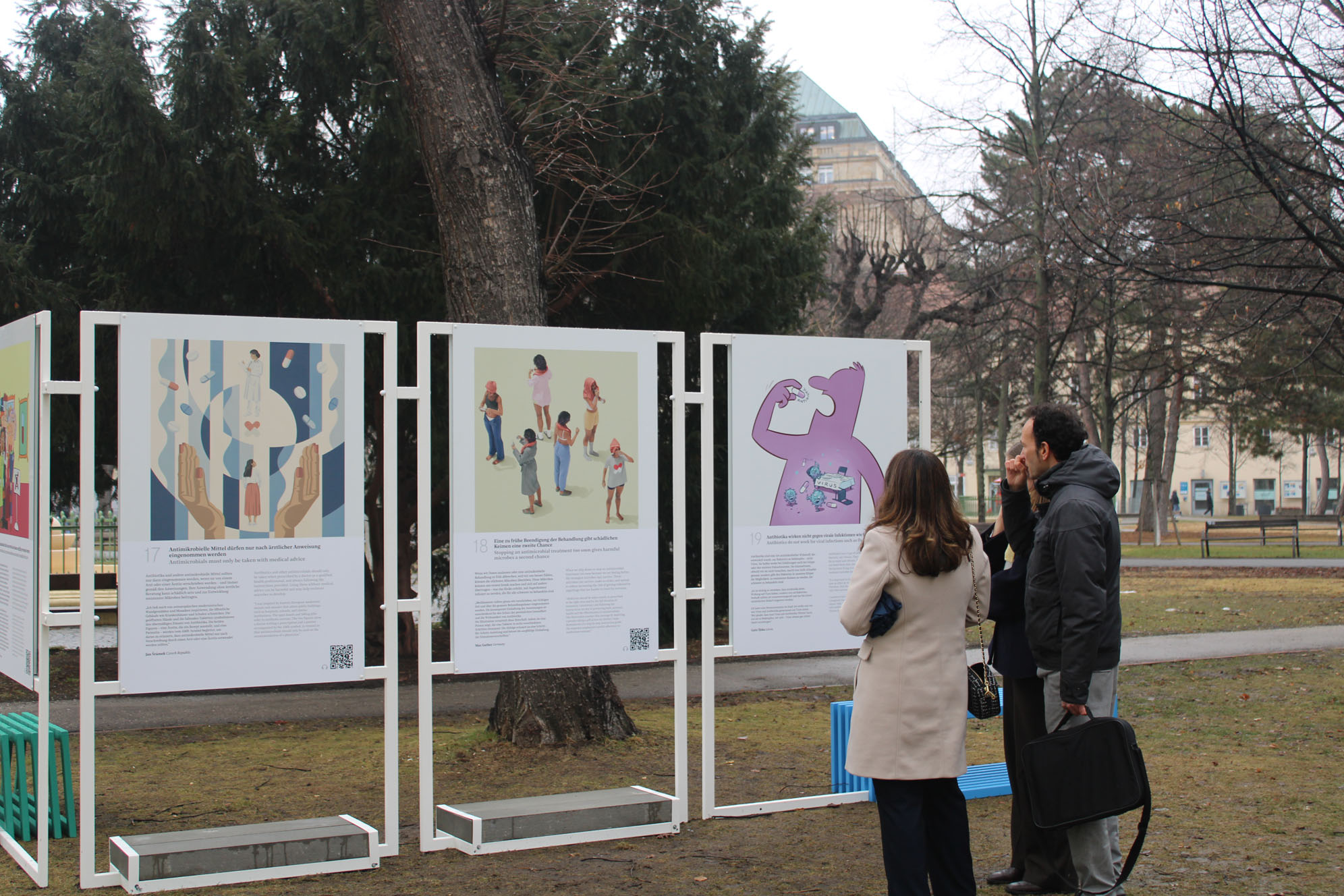
“Sketching Antimicrobial Resistance (AMR): Thirty stories, One Health”, is an outdoor exhibition that brings together illustrations and messages from 30 illustrators from 30 European countries to raise awareness of AMR, one of the major public health threats of our time. The initiative, which combines art and science with messages developed from a One Health perspective, recognises the connection between human health, animal health and environmental health. The content is organised into three sections: what antimicrobial resistance is, why it matters, and what we can do to stop it.
Gallery