- The artists have transformed scientific evidence into visual stories through a One Health approach
- The exhibition opens in Vienna as the first stop on a European tour that will continue in other countries such as Poland, Belgium, Italy and Spain
- The exhibition is part of a broader awareness-raising campaign under the European Joint Action EU-JAMRAI 2
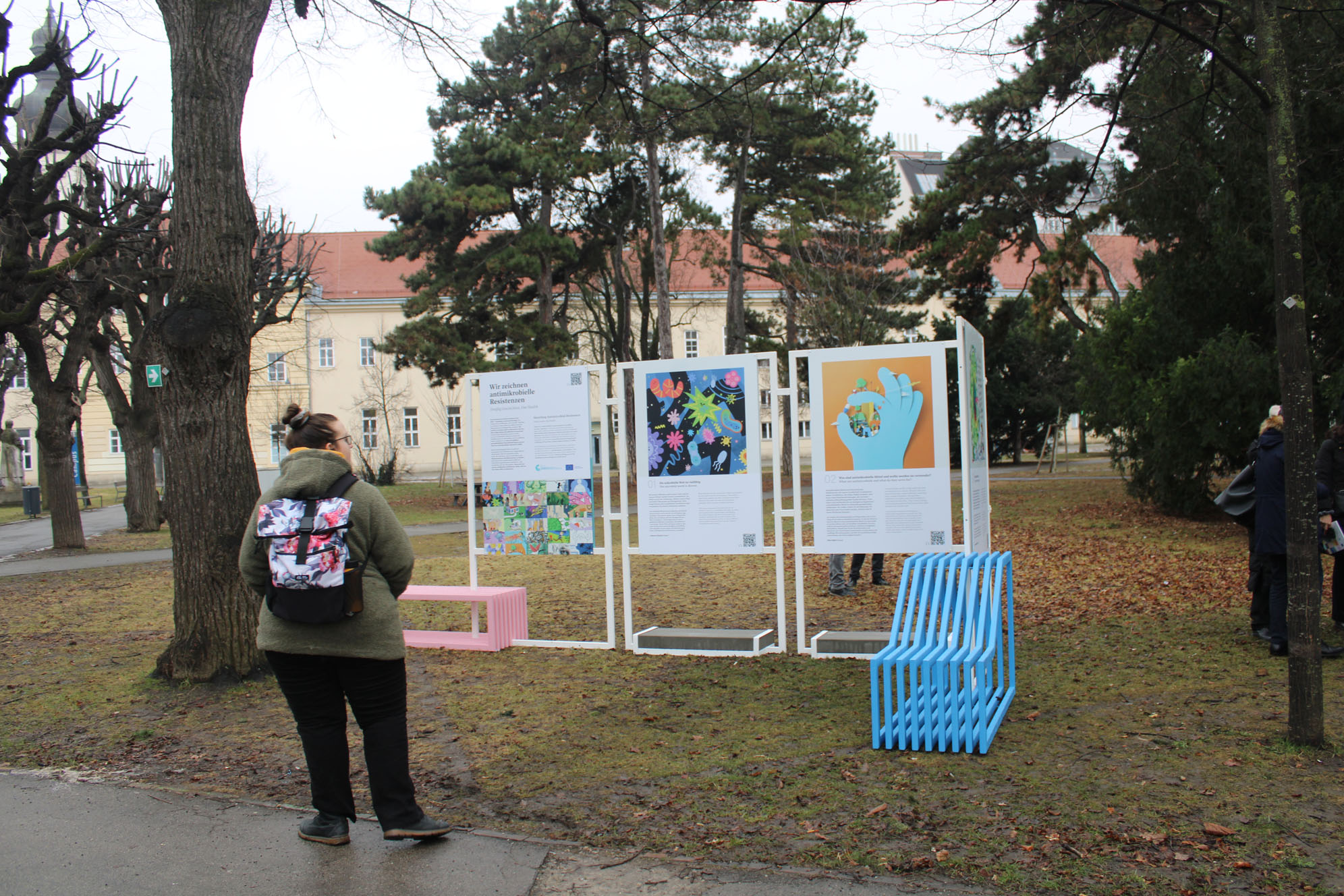
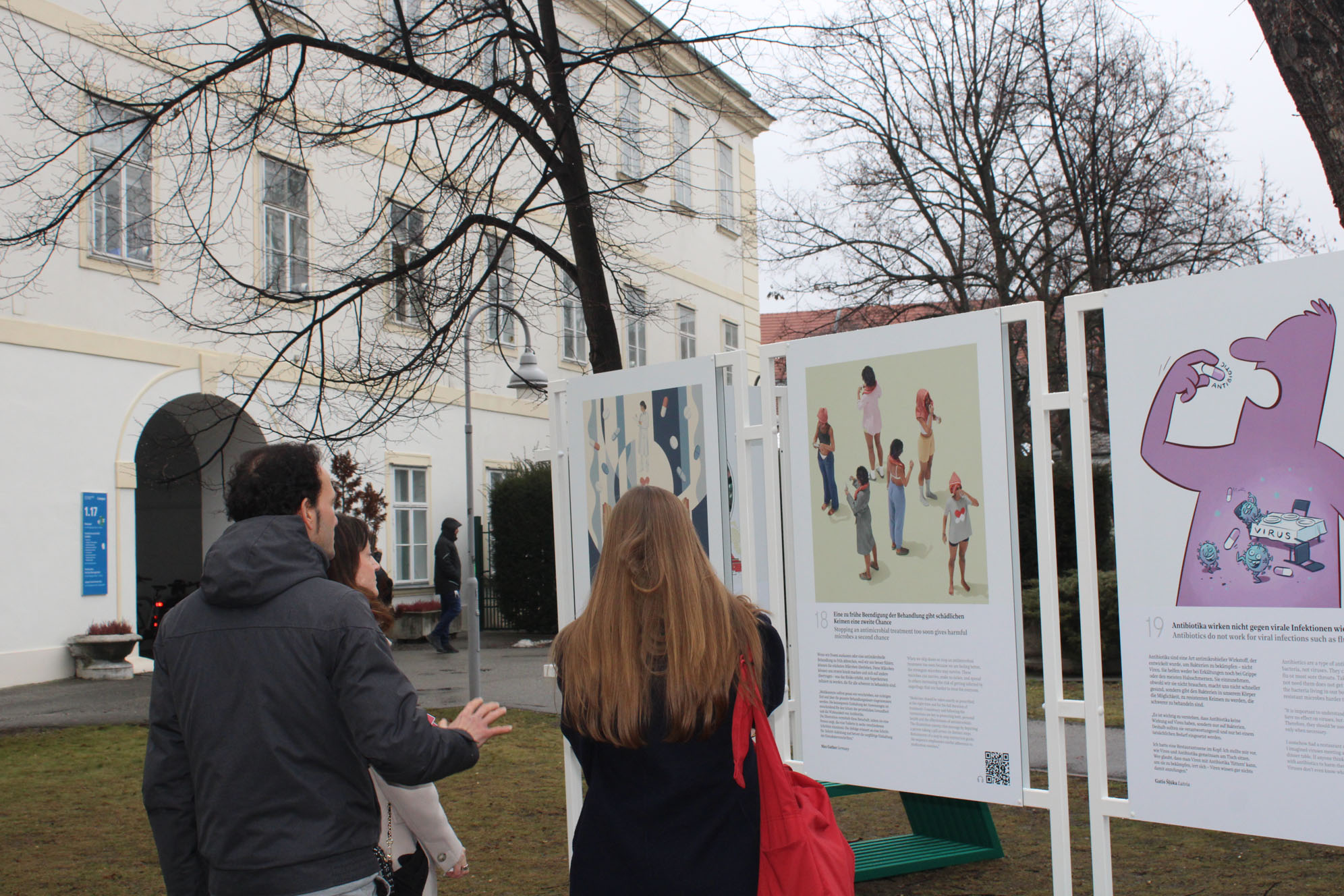
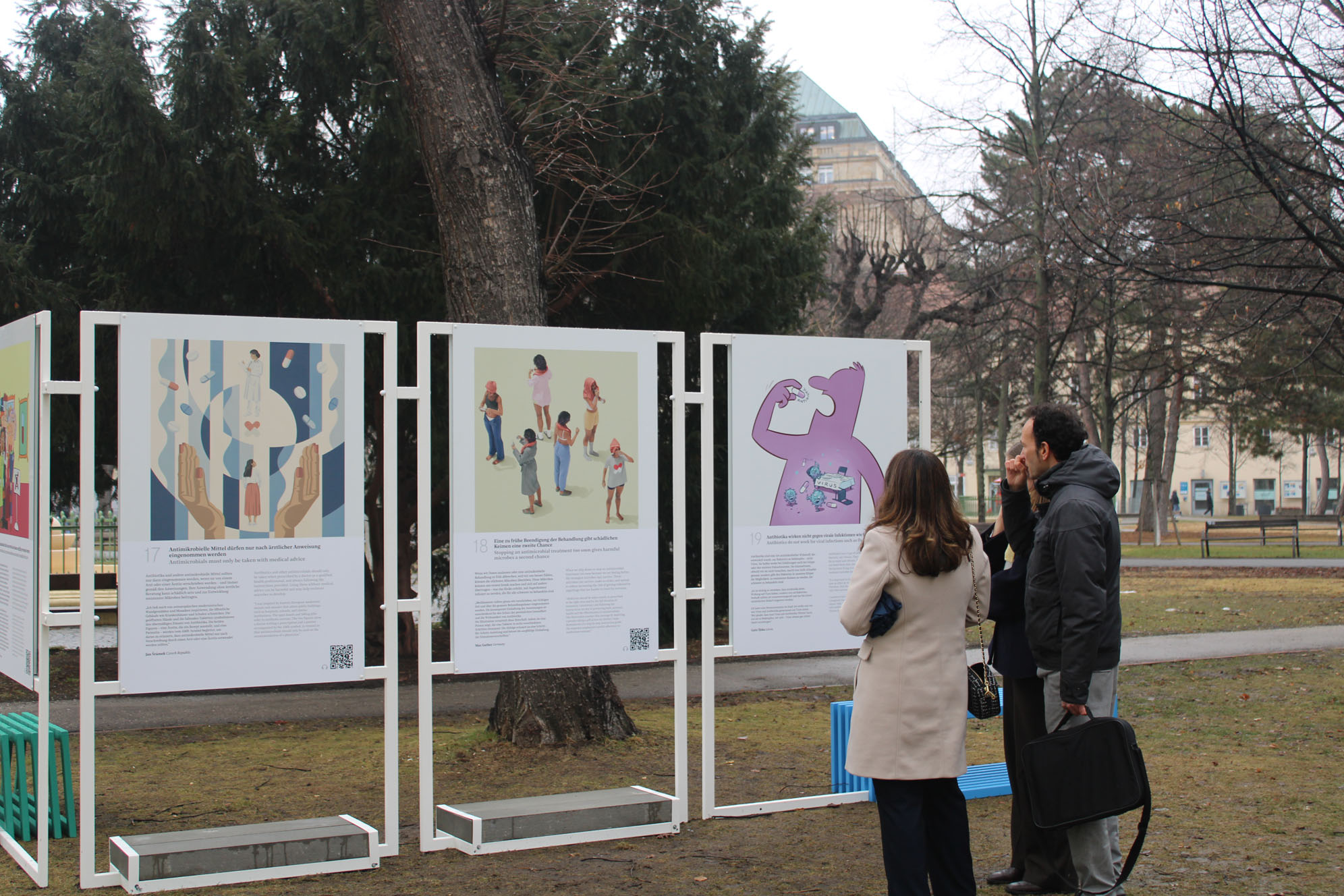
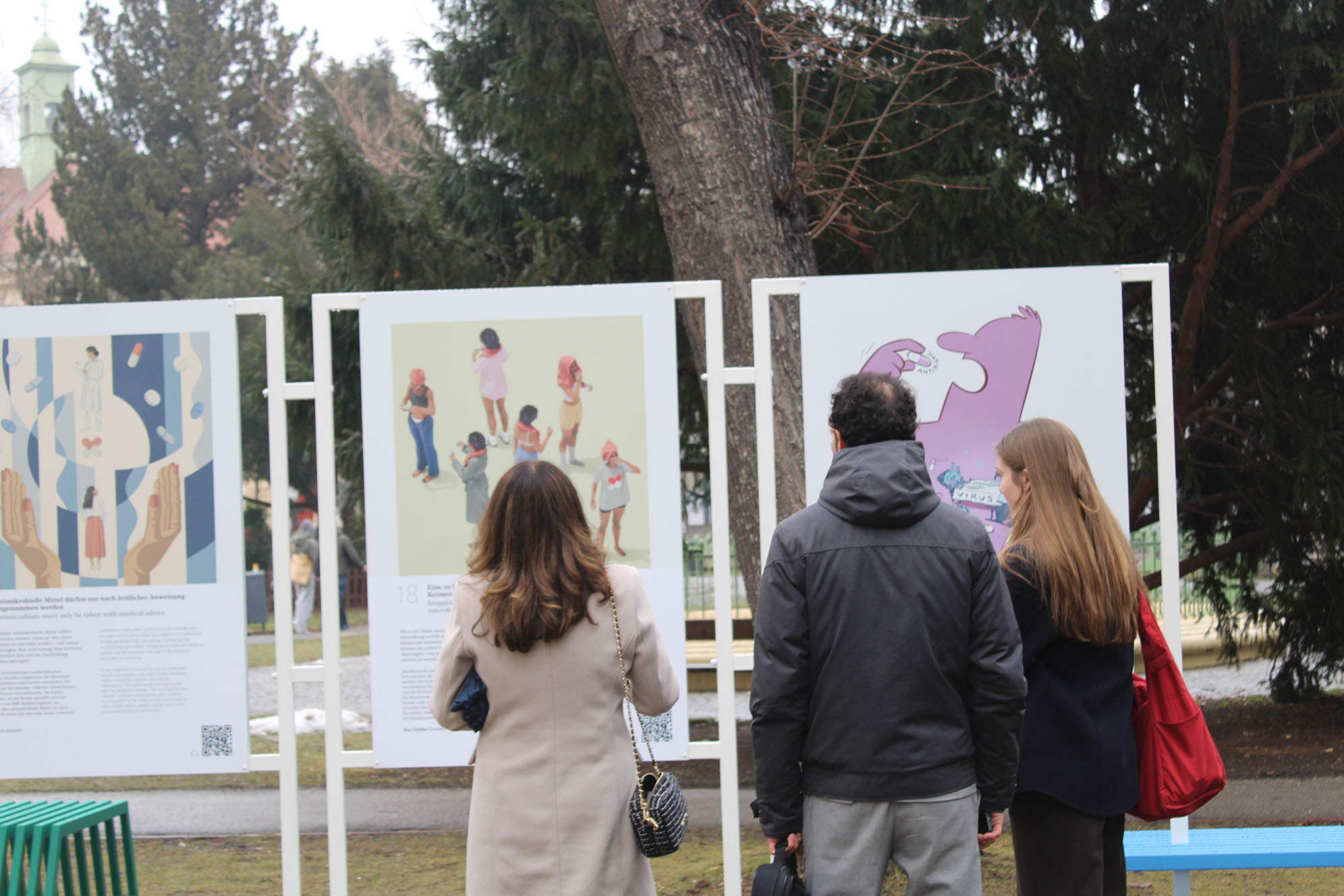
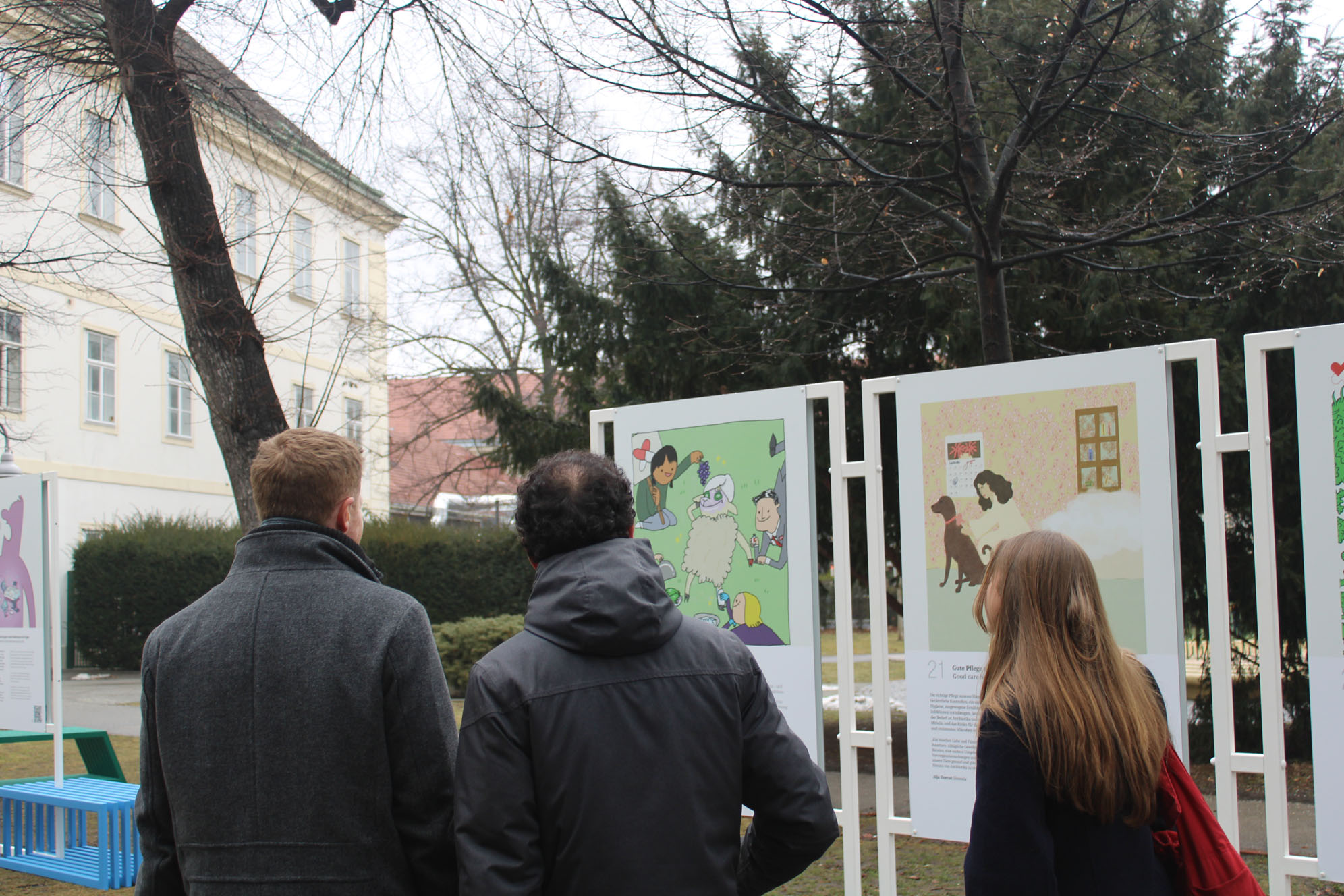
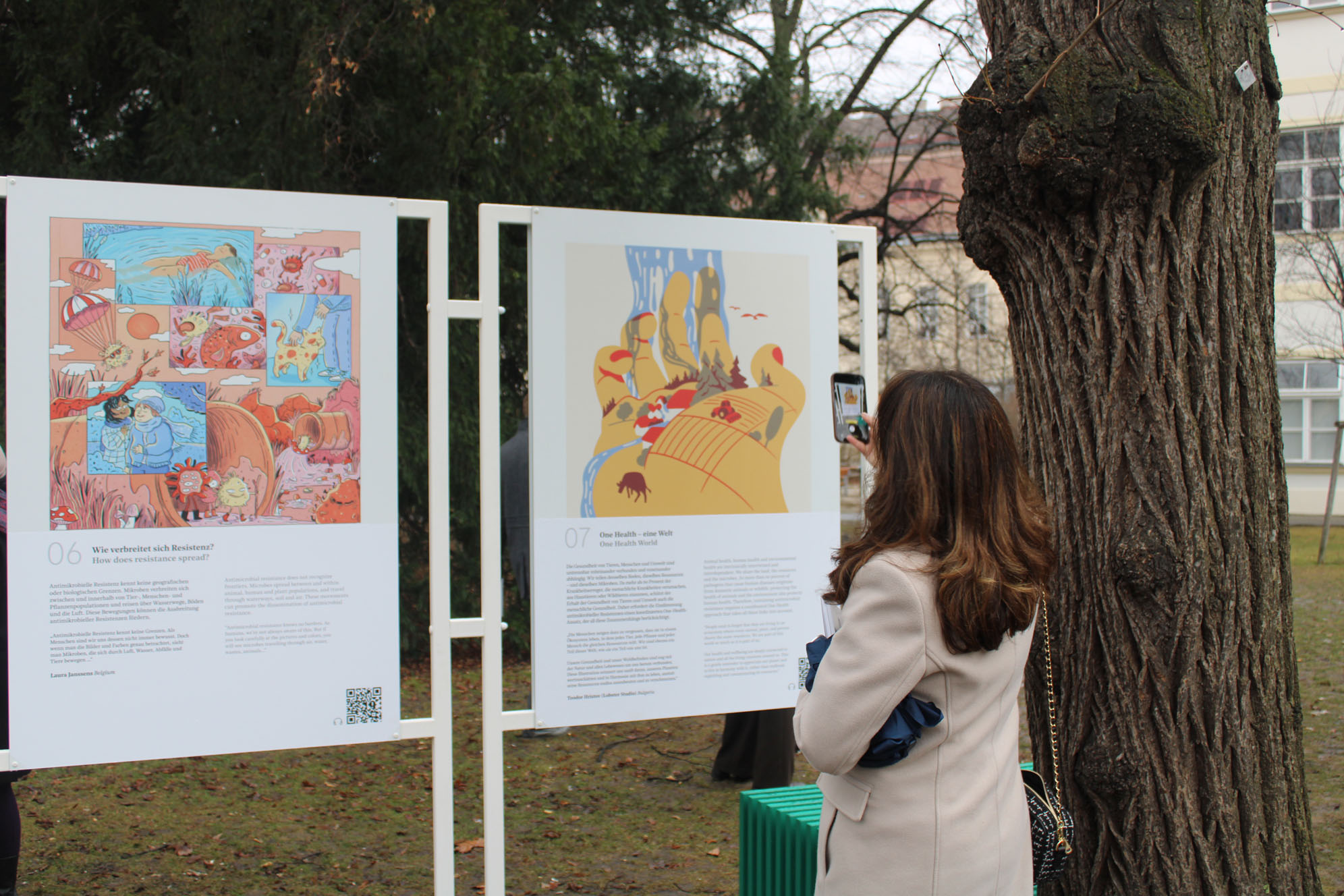
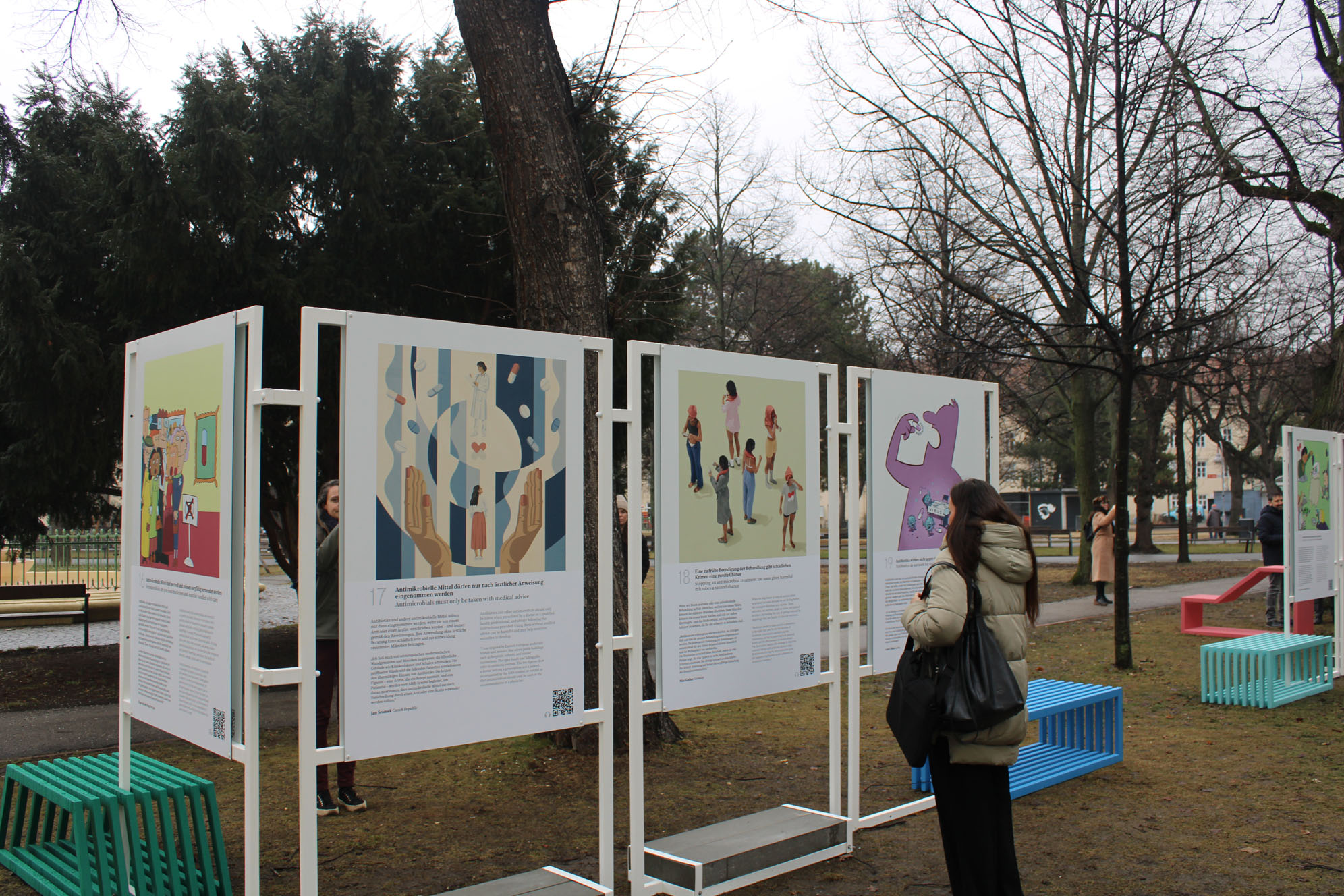
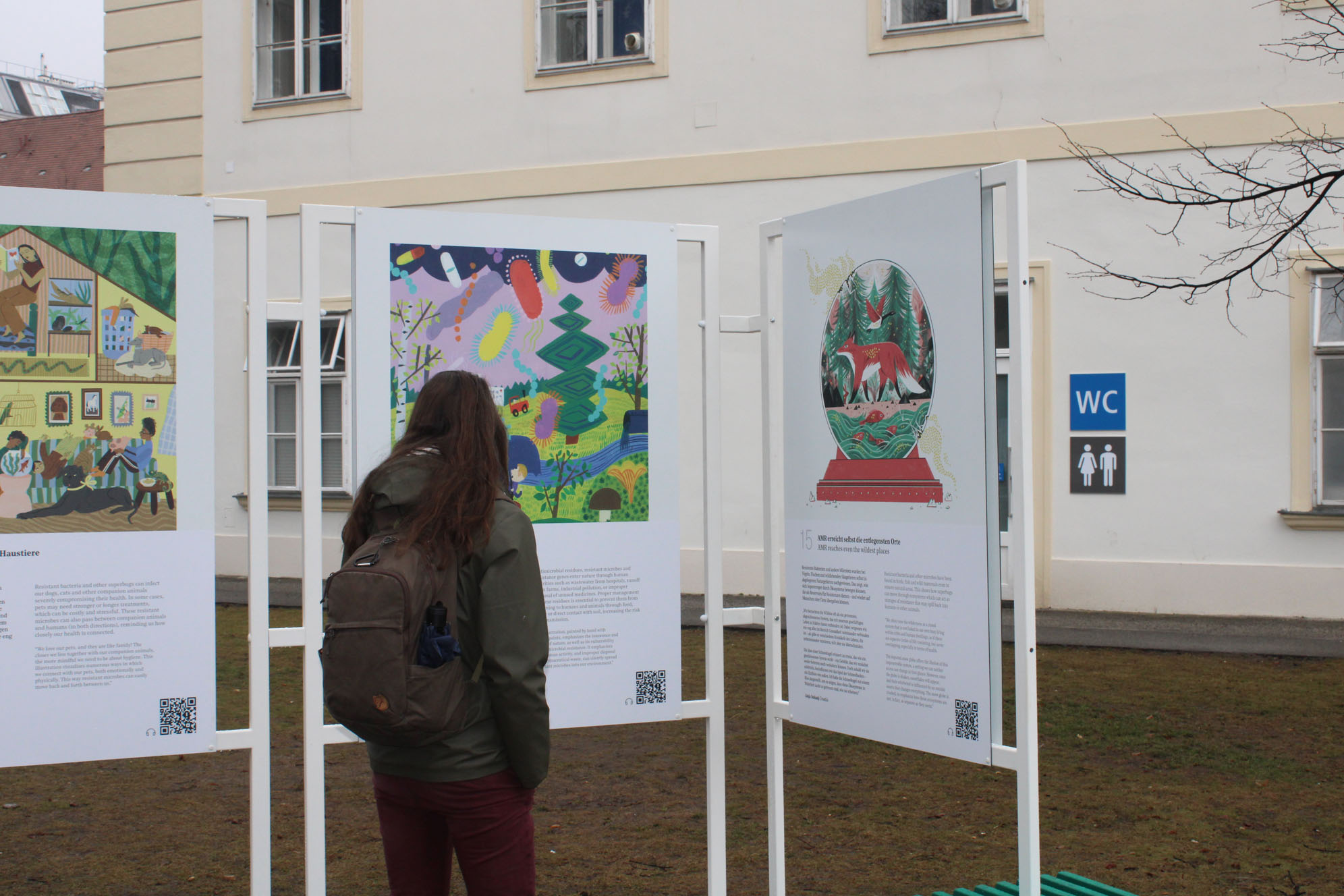
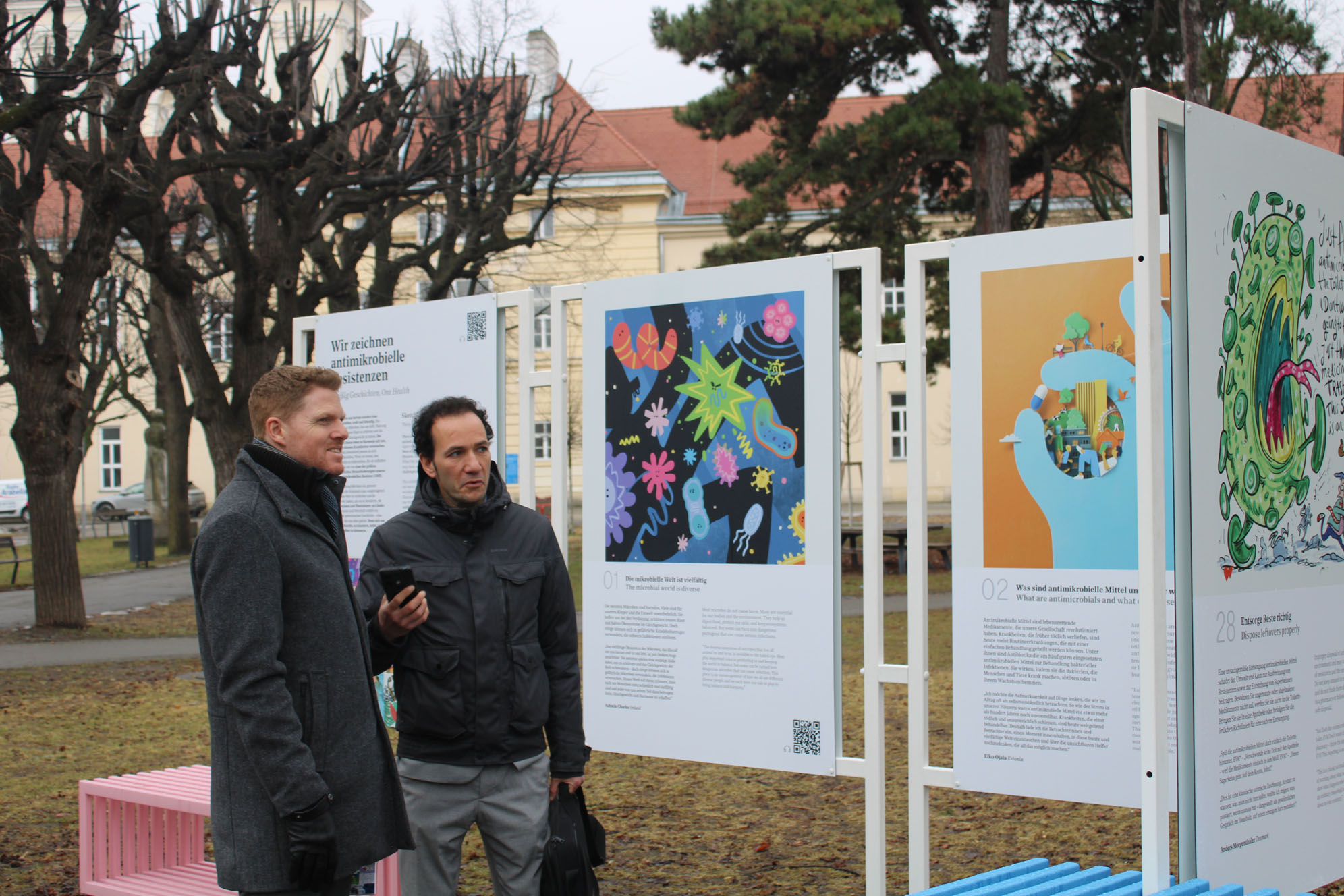
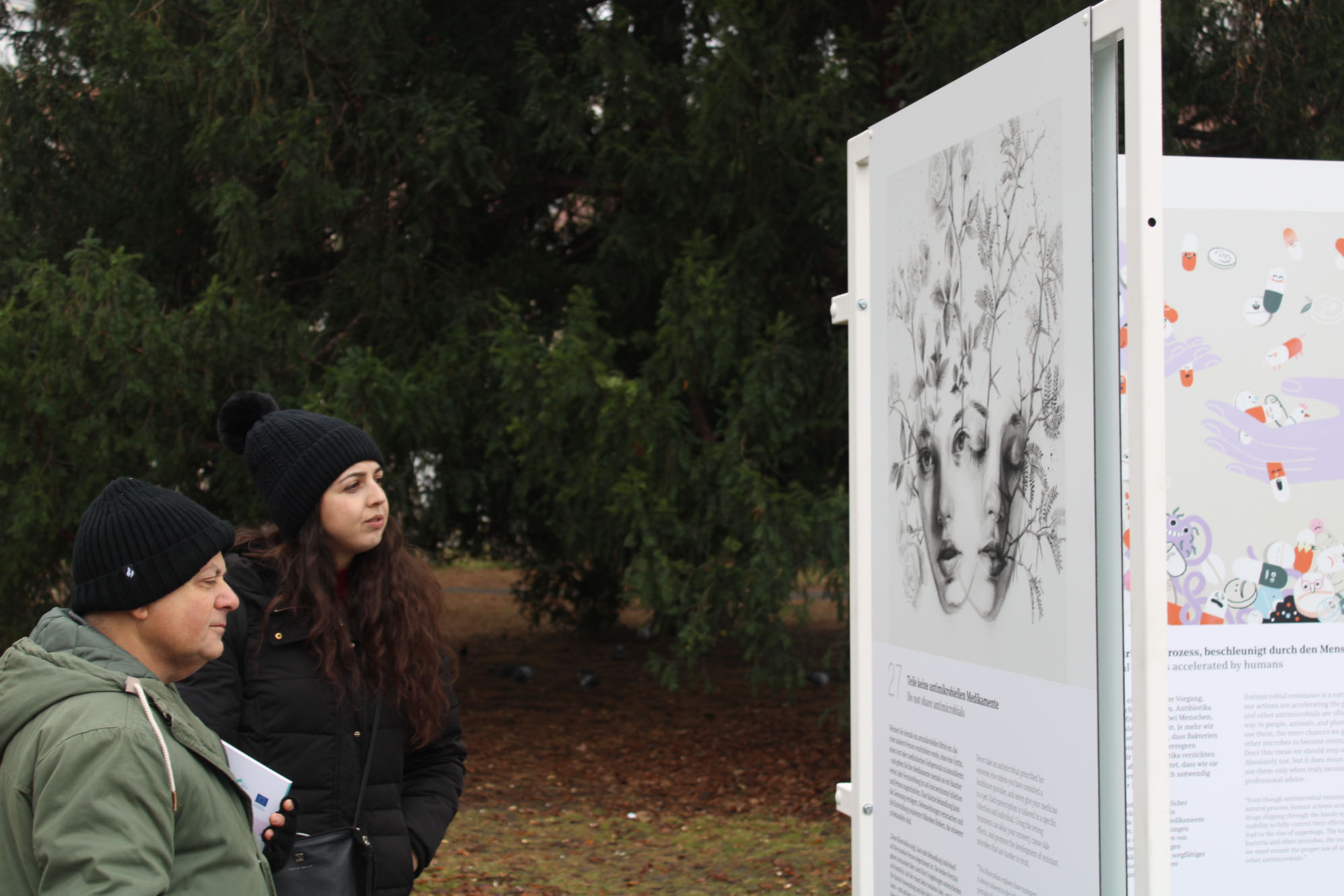
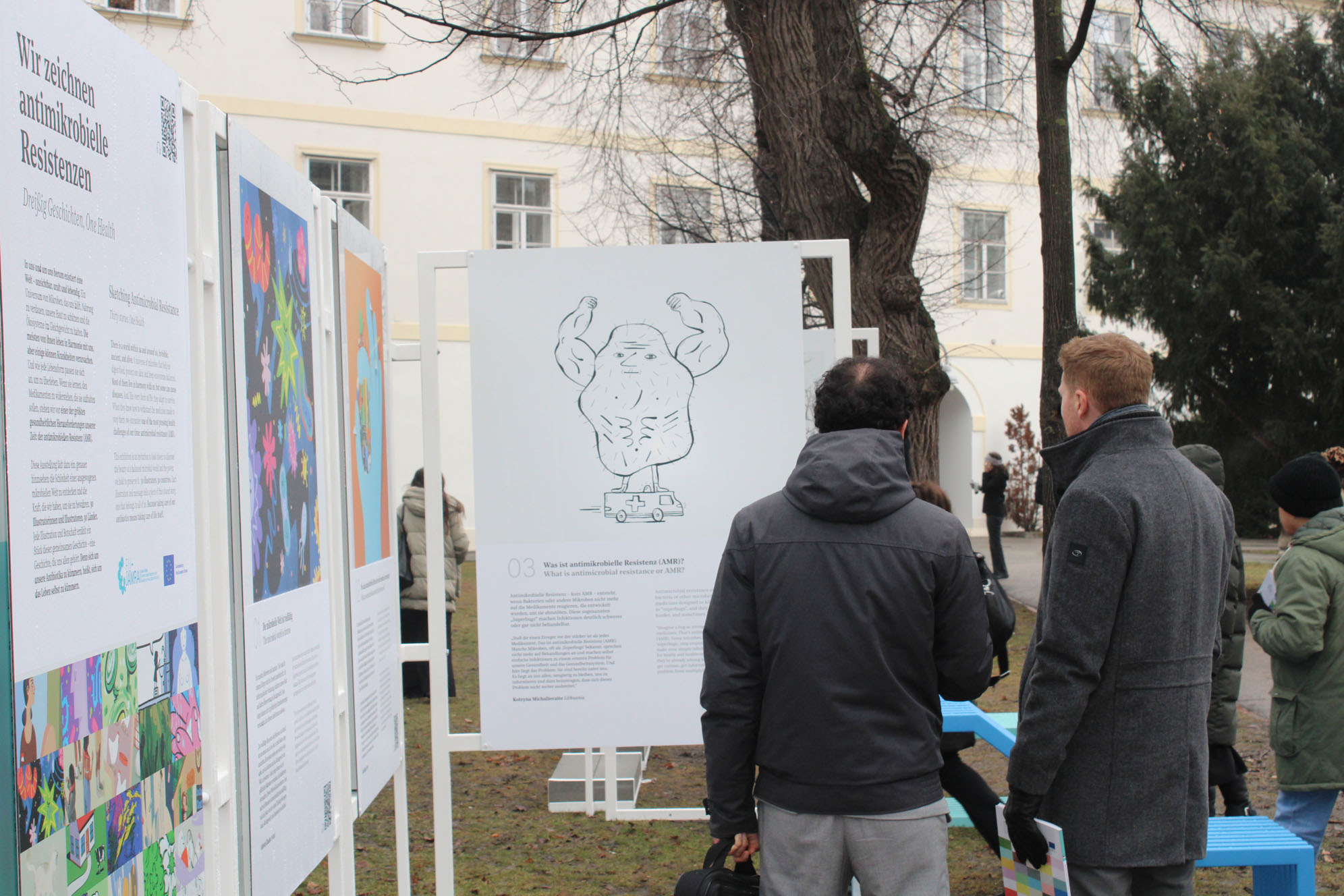
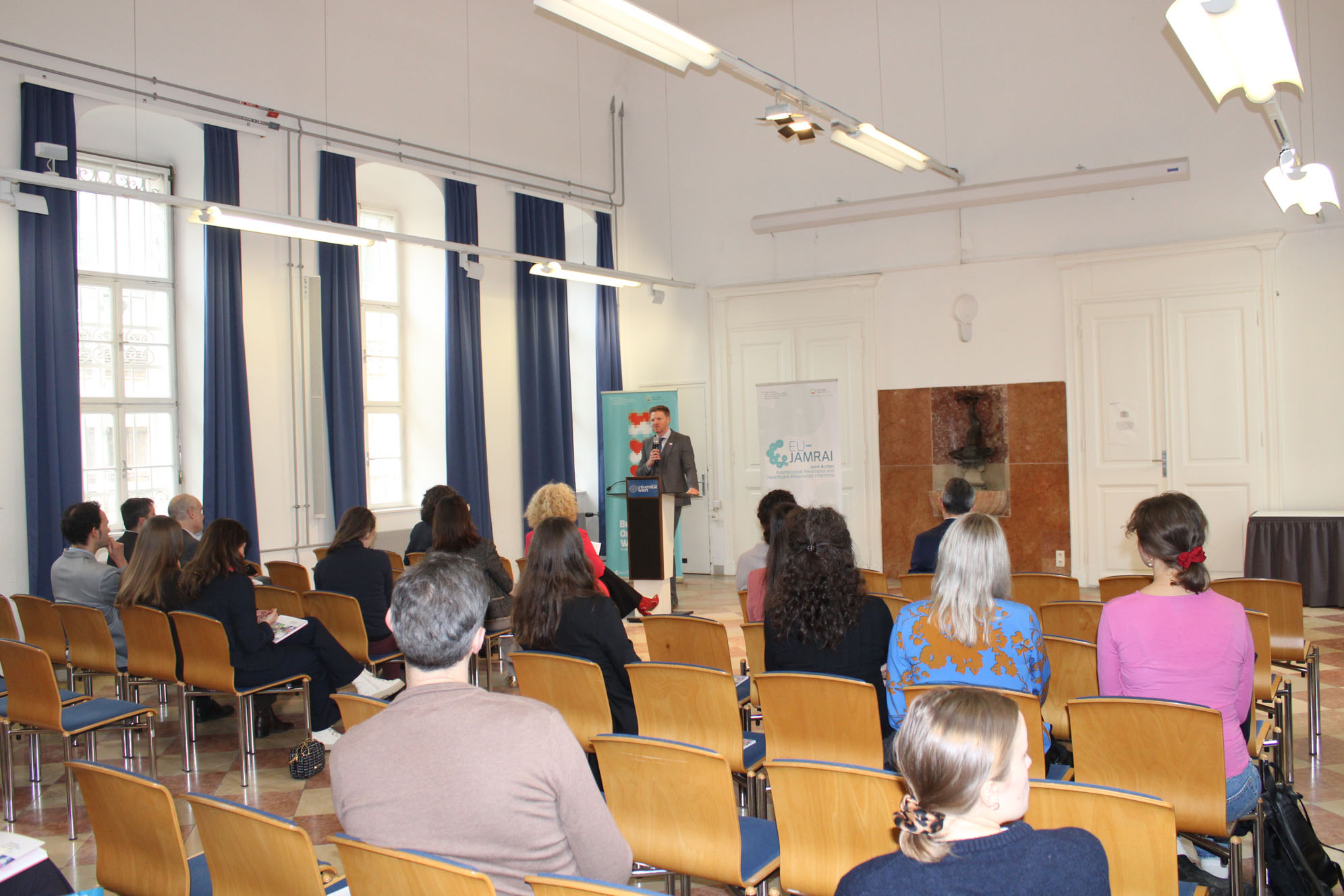
The University of Vienna hosted on 28th January the opening of “Sketching Antimicrobial Resistance (AMR): Thirty stories, One Health”, an outdoor exhibition promoted within the framework of the European Joint Action EU-JAMRAI 2. It brings together illustrations and messages from 30 illustrators from 30 European countries to raise awareness of one of the major public health threats of our time: antimicrobial resistance (AMR).
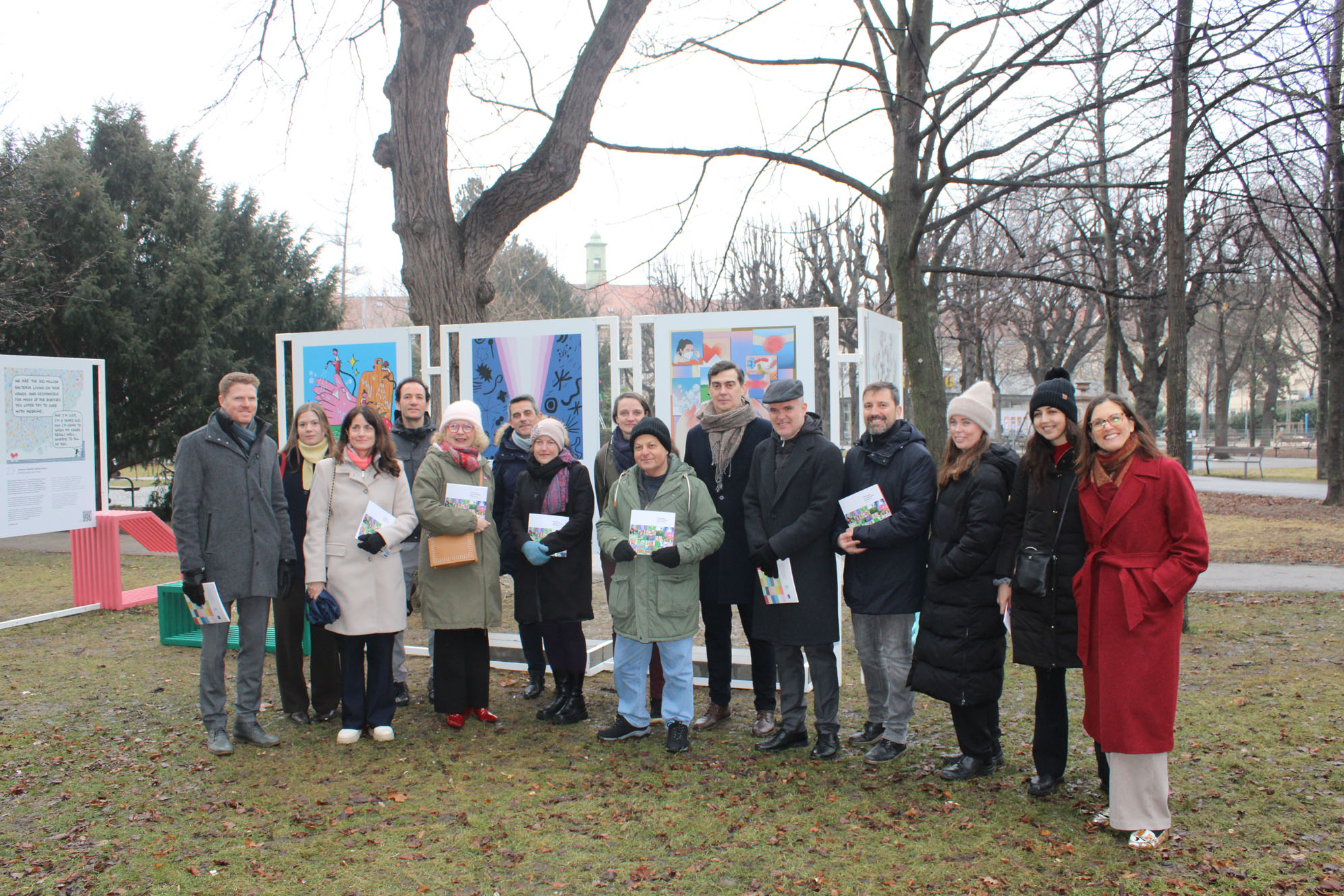
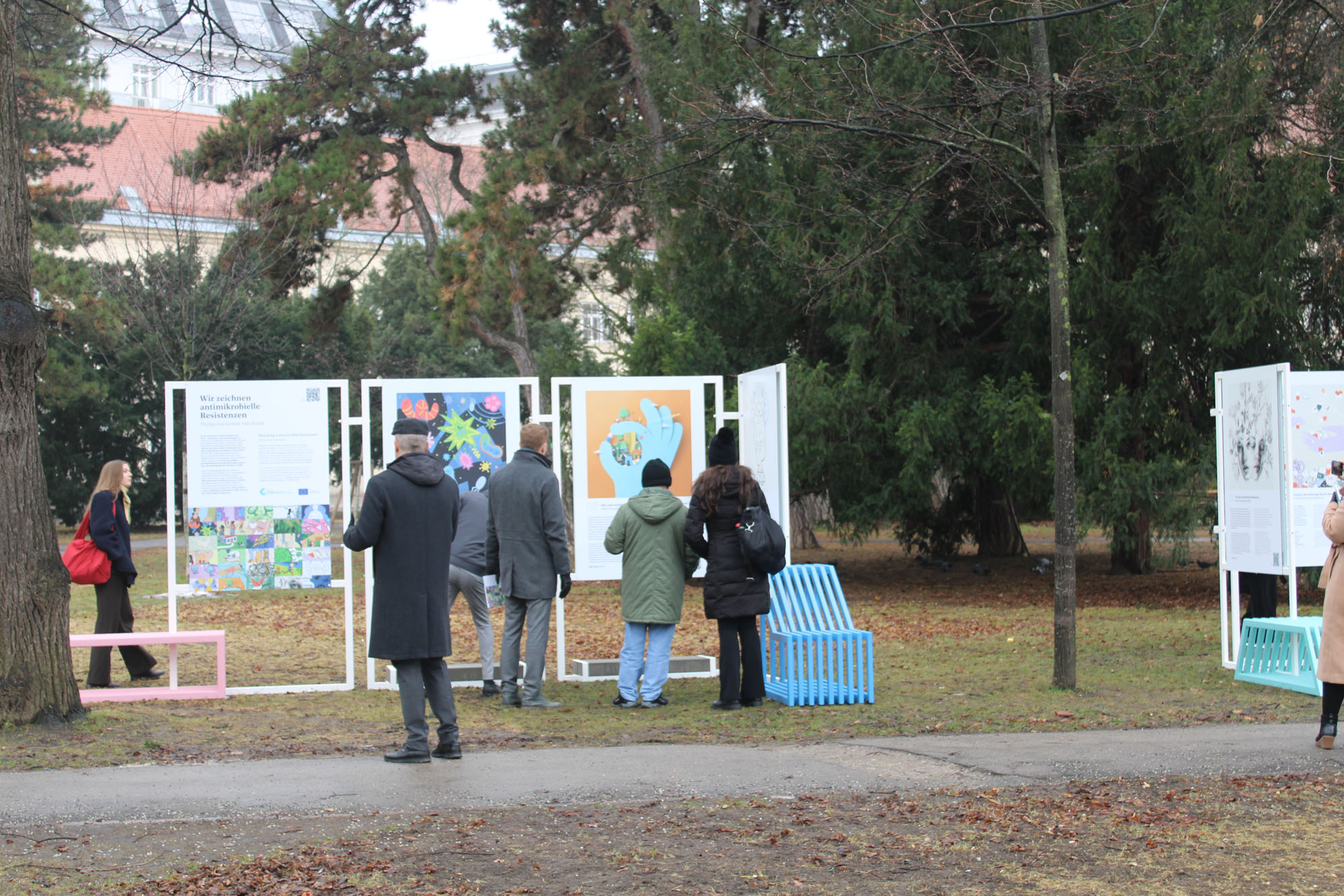
The exhibition is part of a broader project involving, over recent months, 30 illustrators from all EU-27 countries, plus Ukraine, Norway and Iceland. The initiative, which combines art and science with messages developed from a One Health perspective, recognises the connection between human health, animal health and environmental health. The content is organised into three sections: what antimicrobial resistance is, why it matters, and what we can do to stop it.
The exhibition at Hof 1 of the University of Vienna is presented with panels in English and German and is complemented by an audio guide to provide more information about each illustration and enhance the visitor experience. In Austria’s case, the participating artist is Ana Popescu, who has captured in her illustration reflections on the importance of that when sick, keeping distance makes a difference.
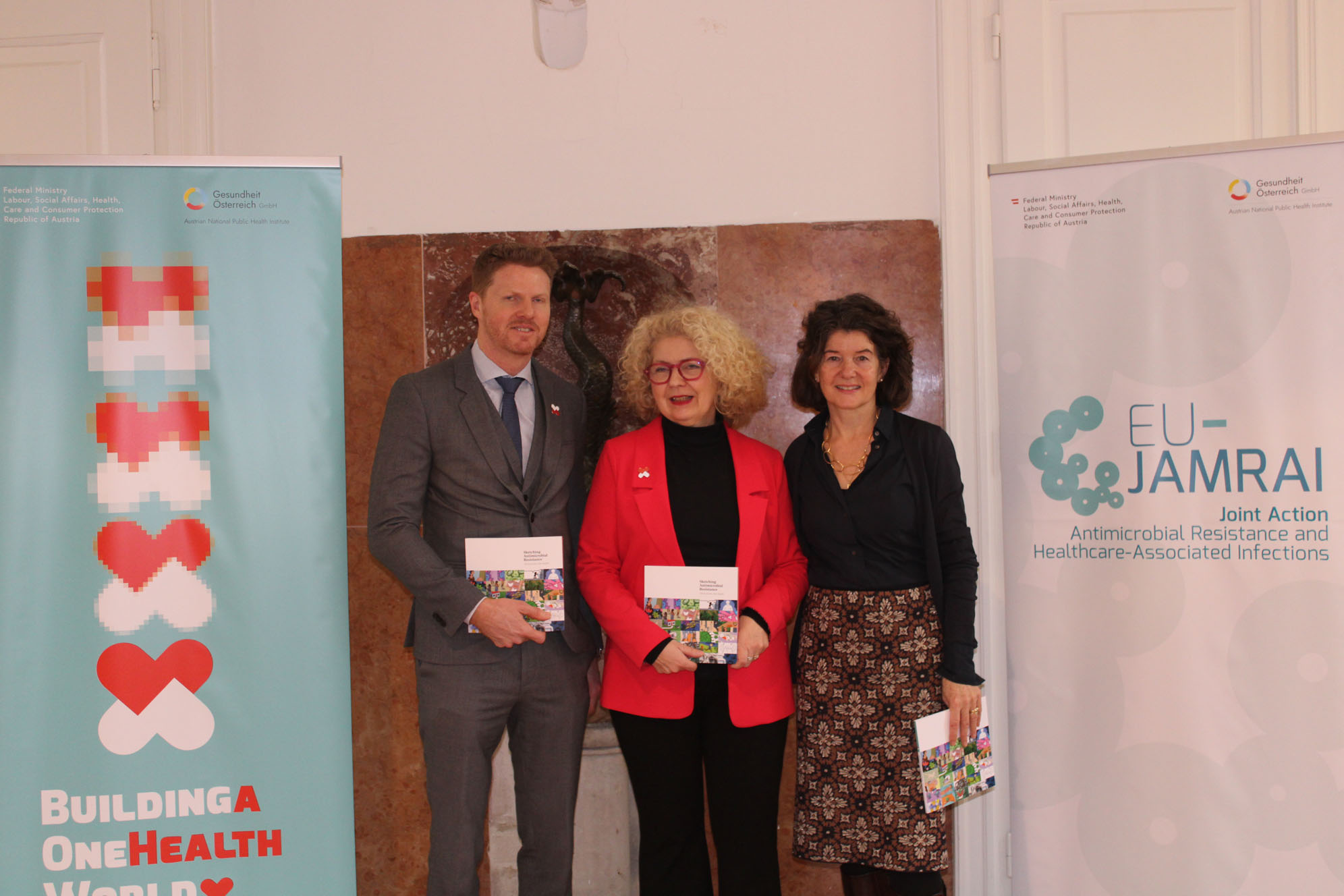
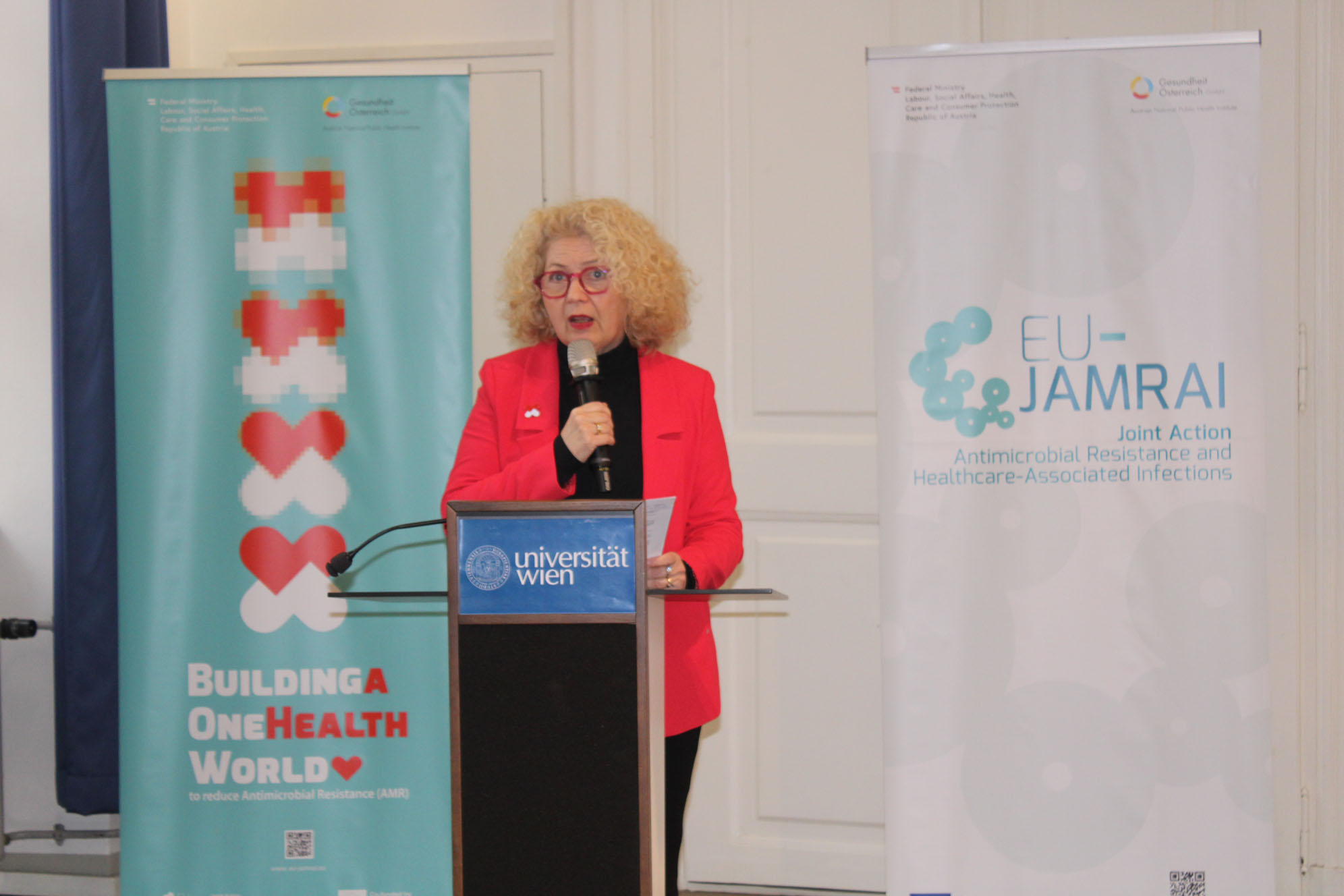
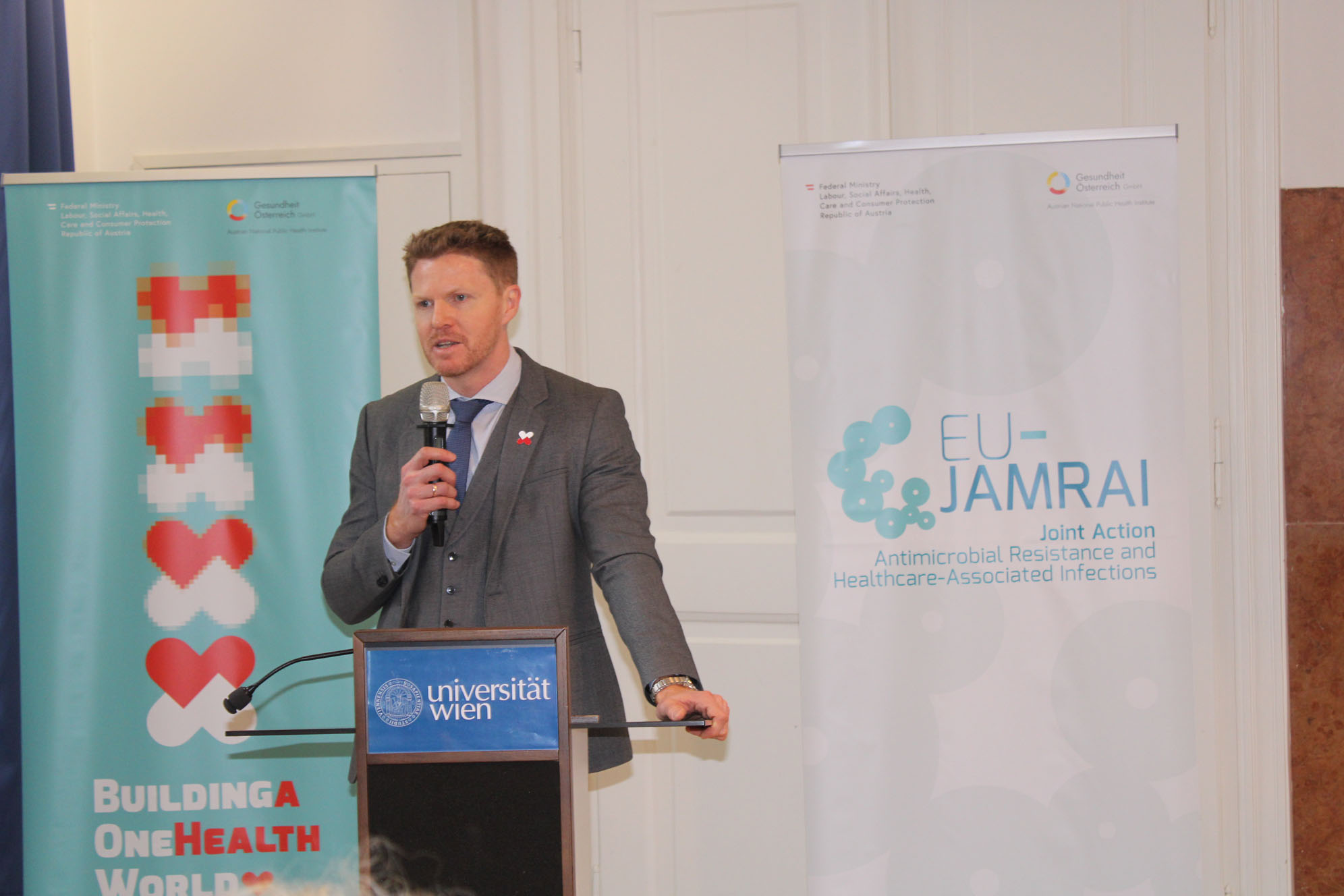
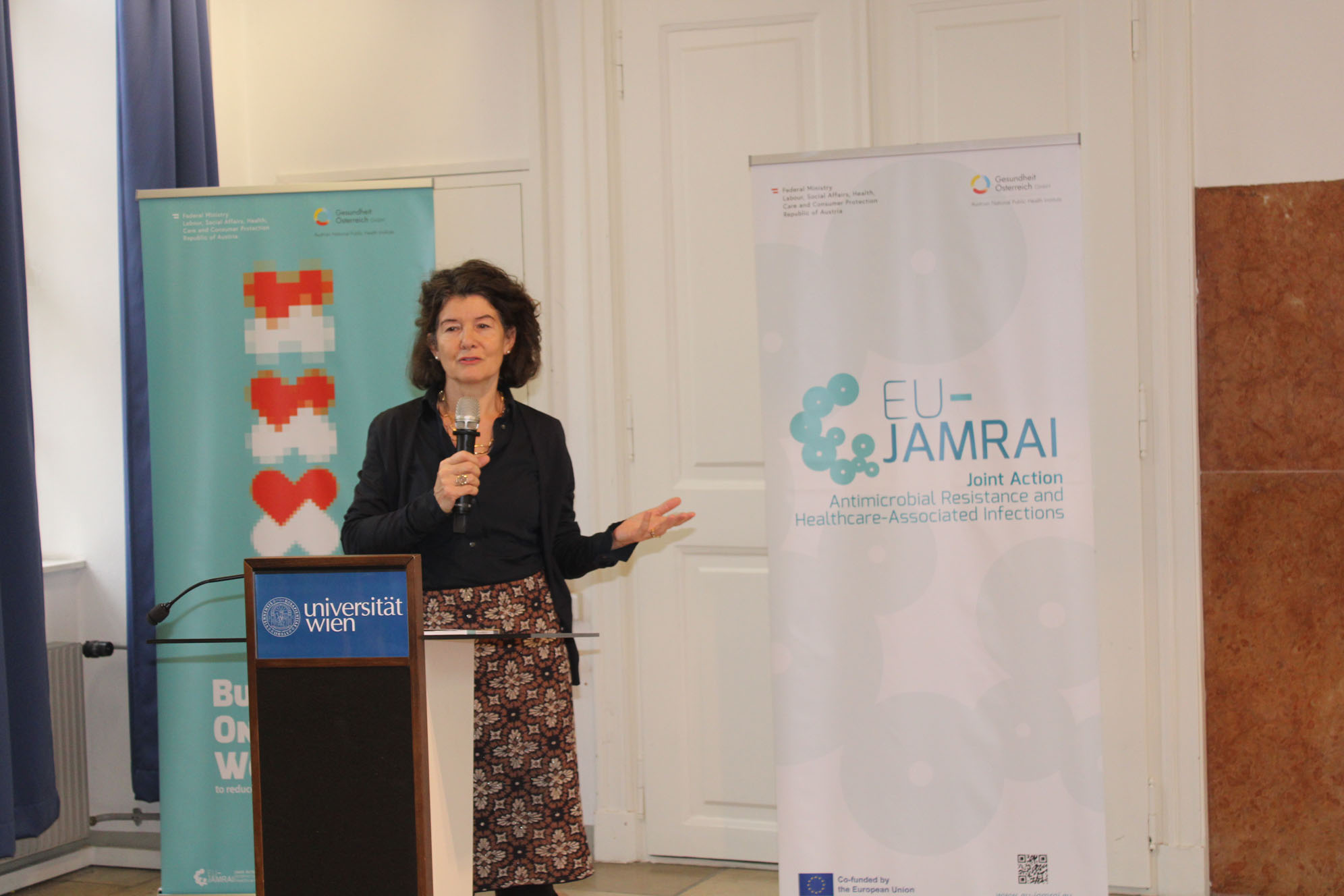
The official opening of the exhibition was attended, among others, by the Deputy Head of the European Commission Representation in Austria, Christian Wigand; and professor Judith Maria Rollinger, from the Faculty of Life Sciences of the University of Vienna (Department of Pharmaceutical Sciences).
“Taking care of antibiotics is taking care of life”
As the organiser of the event, the EU-JAMRAI 2 coordinator, Marie-Cécile Ploy, stressed that the exhibition’s aim is to bring the challenge closer to the public: “We want to invite society to take a closer look at what is usually unseen: the microbial world that sustains life and, at the same time, the growing challenge of antimicrobial resistance.” Along these lines, Ploy highlighted that turning science into art helps make antimicrobial resistance “visible, accessible and relevant” to broad audiences, and recalled that “taking care of antibiotics is taking care of life”, appealing to the role of citizens and, especially, students as future healthcare professionals.
Antimicrobial resistance (AMR) is a serious cross-border threat to public health. In the European Union alone, AMR is estimated to cause over 33,000 deaths each year and generate annual social costs of approximately €1.5 billion. It occurs when microorganisms such as bacteria, viruses, fungi or parasites stop responding to medicines designed to eliminate them. This phenomenon, largely invisible, is advancing in hospitals and homes, on farms and also in the environment, and reduces the effectiveness of antibiotics and other treatments essential to modern medicine.
The campaign has two dimensions: a digital one, launched in November 2025 on the occasion of European Antibiotic Awareness Day and the hashtag #SketchingAntimicrobialResistance, and an in-person one, with public exhibitions in European cities. In addition, the initiative has a multilingual website with the illustrations and messages available in 27 languages, and an illustrated album as a resource for education and awareness-raising.
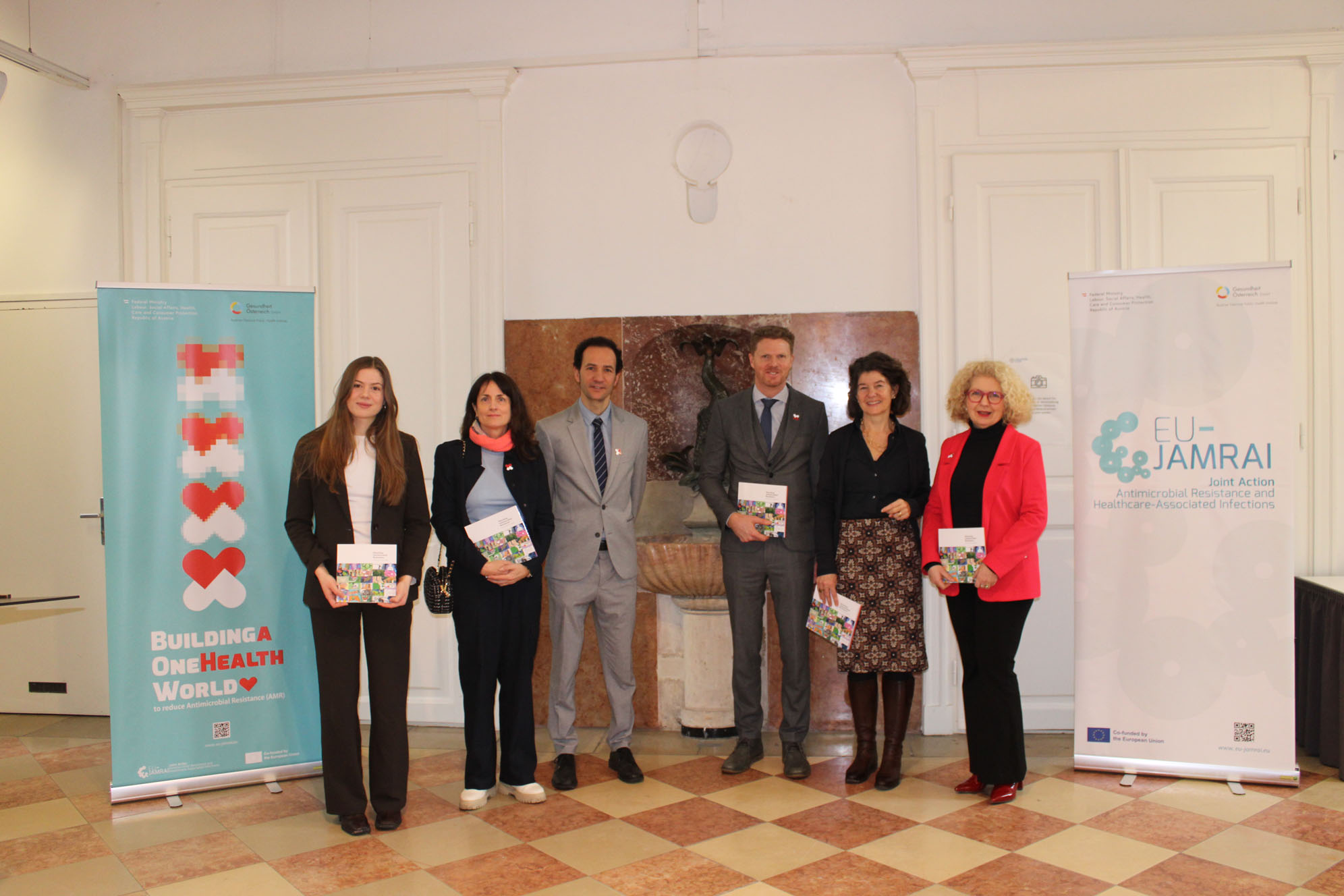
EU-JAMRAI 2 Annual Meeting
The event is part of the EU-JAMRAI 2 Annual Meeting, taking place from January 28th-30th in Vienna, hosted by the project’s Austrian partners: the National Public Health Institute (GÖG) and the Federal Ministry of Labour, Social Affairs, Health, Care and Consumer Protection (BMASGPK).
EU-JAMRAI 2 (the second European Joint Action on Antimicrobial Resistance and Healthcare-Associated Infections) is a large-scale European initiative that brings together institutions and experts from 30 countries to curb antimicrobial resistance (AMR) and strengthen the prevention and response to healthcare-associated infections, with the goal of enhancing European coordination under the One Health approach.
The project is co-funded by the EU4Health Programme and the participating partners, with a total budget of €62.5 million, including €50 million from the European Commission, and involves more than 120 institutions from 30 countries.